1. Home
  2. Computing
  3. News

Asus’ upcoming Chromebook Flip now available for pre-order at $249

Add as a preferred source on Google

Update 6/16/2015 1:30PM: The Asus Chromebook Flip is now available for pre-order at a few online retailers, like CDW. It’s $249 for a model with 2GB of RAM, or $279 for 4GB of RAM.

Google announced the development of the Asus Chromebook Flip on March 31, which has a 360-degree hinge to provide both a tablet and laptop experience. The company says that it will ship in six to eight weeks, and it will retail for $249, according to PC World.

Recommended Videos

In addition to having the ability to flip the display for tablet use, the product has a touchscreen and a 10.1-inch IPS display. The Chromebook Flip weighs less than two pounds, and it’s completely composed of metal. This makes it a durable, portable computer for consumers who are always on the go.

A Rockchip 3288 processor will power the Chromebook Flip, and it will have 2GB of RAM and 16GB of eMMC flash memory. With its processors, Rockchip has been enabling Google to create more powerful Chromebooks without breaking the bank.

This is one of several Chrome OS devices that will be shipping out in the coming months with a Rockchip 3288 processor. Google recently announced the development of the Chromebit, which is being described as a “computer-on-a-stick.” There’s also a number of new Chromebooks based on the chip from Asus, CTL, Haier and others.

A high-end version of the Chromebook Flip will also be released, which upgrades to 4GB of RAM and 16GB of SSD. On a single charge, the device will be able to operate for up to 10 hours on battery power. It has 802.11ac Wi-Fi, as well as 4.0 Bluetooth.

Asus’ Chromebook Flip is not a particularly unusual system from a hardware standpoint, but its design is certainly odd for a Chromebook. Our past experience with Chrome OS systems that have a touchscreen has been enjoyable, though, so it’s possible the Flip could be an extremely competent convertible.

Krystle Vermes
Former Digital Trends Contributor
Krystle Vermes is a professional writer, blogger and podcaster with a background in both online and print journalism. Her…
Google’s new Magic Pointer Play Store listing reveals a Gemini shortcut built for Googlebooks
The unannounced app turns the cursor into a contextual AI tool for search, image creation, and shopping
Plant, Text, Business Card

Google has quietly published a new Play Store listing for Magic Pointer, an unannounced app built for Googlebooks. Updated on July 10, the app turns the cursor into a Gemini shortcut that can act on whatever a user selects on screen.

Magic Pointer can send an image to Lens, generate a related image, or surface a shopping action without forcing users to open a separate chatbot. Regular Android devices currently show as incompatible, so the listing offers an early preview rather than a broad release.

Read more
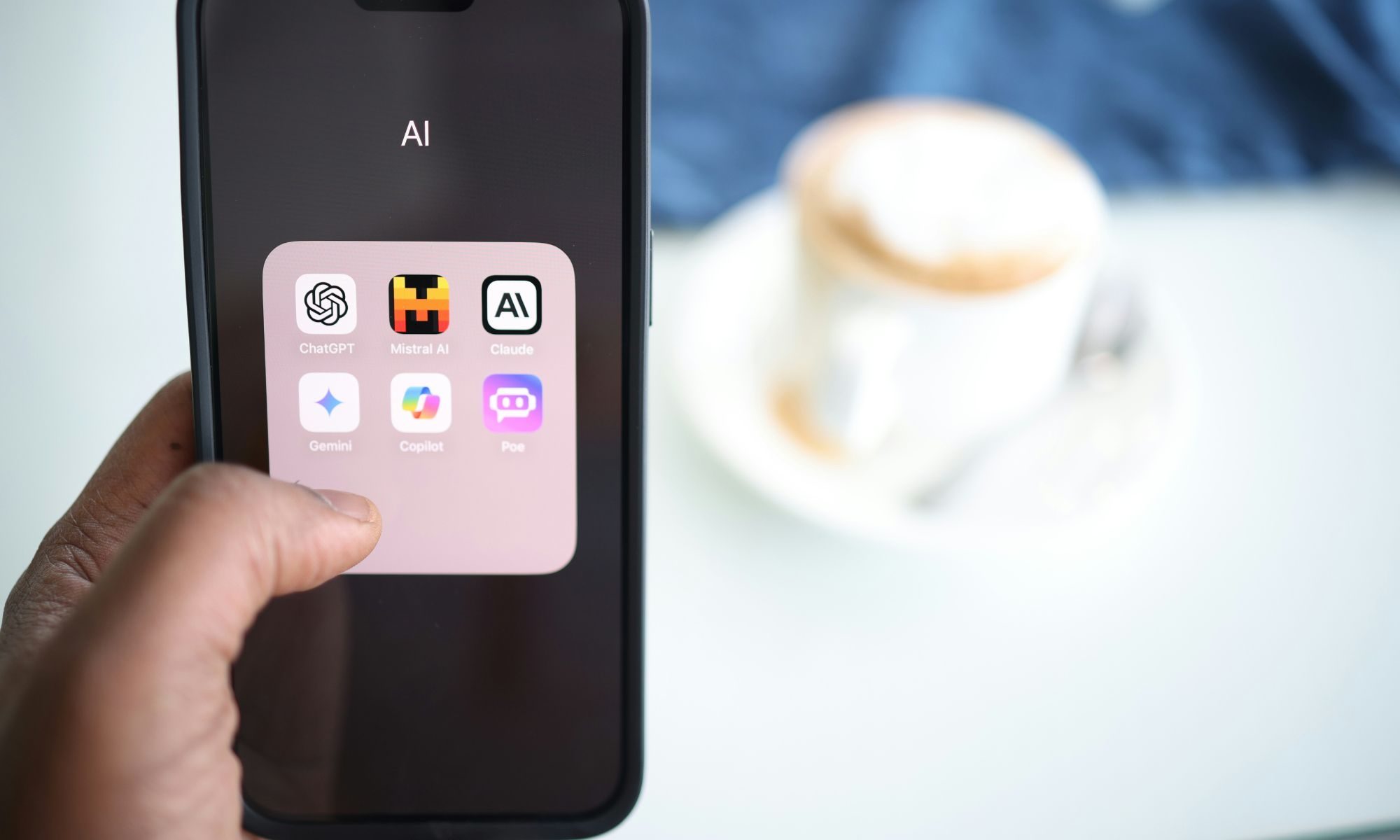
You can stop using AI, but this new report says you probably can’t escape it
A UK survey found that most people feel AI exposure is unavoidable, raising harder questions about consent, privacy, and whether opting out is still realistic
AI Chatbots

More people are trying to use less AI, but avoiding it altogether may already be impossible.

A survey of 2,055 UK adults found that 42% deliberately limit how much AI they use. Another 70% said avoiding AI exposure would be difficult or impossible, even when they actively wanted less of it.

Read more
The face on an AI interviewer may matter as much as the decision it makes
Researchers found that race and gender matching changed how fairly rejected applicants viewed an automated interview, even though everyone received the same outcome
File, Computer Hardware, Electronics

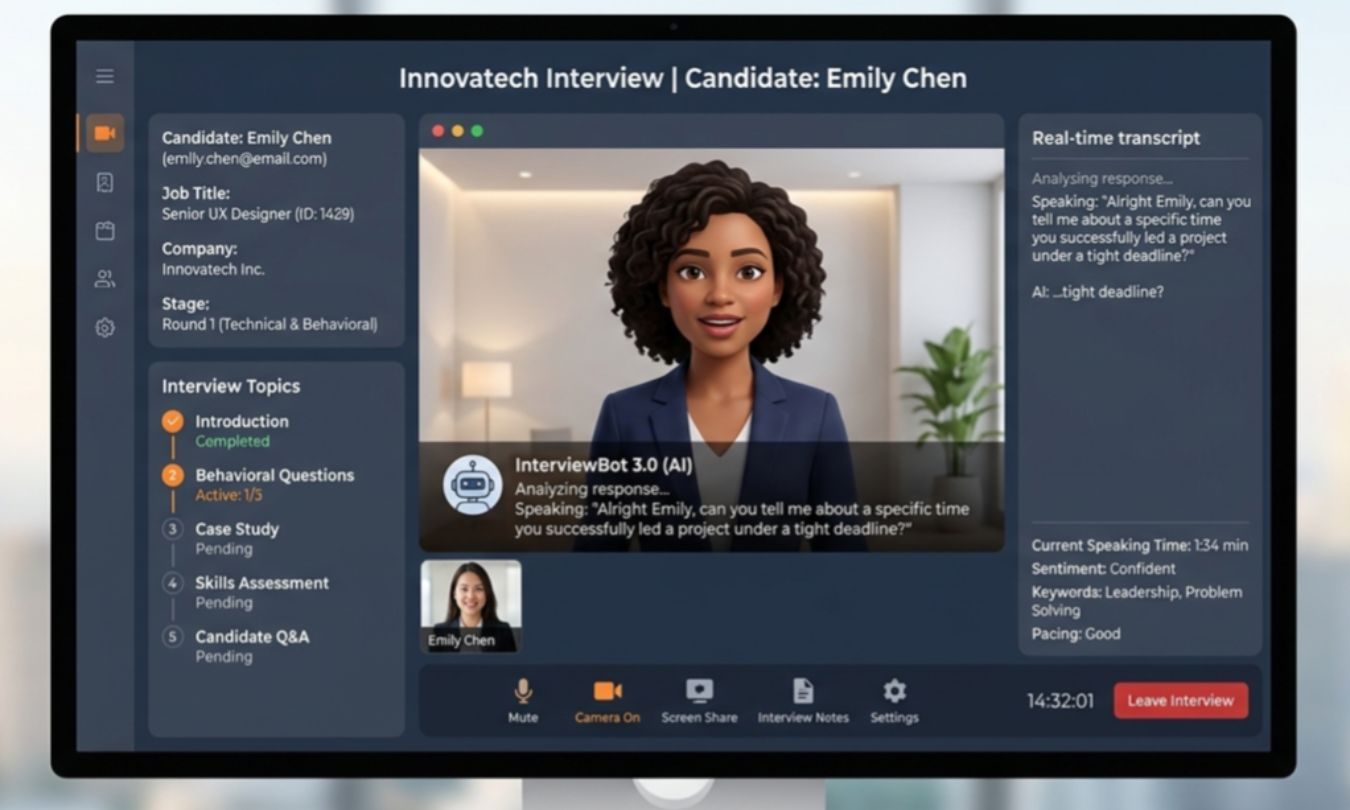
An AI hiring system can treat every applicant the same and still leave some people feeling targeted. Researchers found that rejected candidates judged an automated interview differently depending on the race and gender of the avatar delivering the result.

Around 220 participants completed a simulated interview for a fictional customer support role with one of four photorealistic AI avatars. Everyone was rejected, yet perceptions of fairness shifted with the interviewer’s appearance. An algorithm audit could miss that reaction because candidates don’t experience the system as raw code. They experience a face asking questions and judging their answers.

Read more