1. Home
  2. Photography
  3. Photo Galleries
  4. Social Media
  5. News

Messenger, NASA’s Mercury-orbiting spacecraft, ends 11-year mission with impact

Add as a preferred source on Google

On April 30, 2015, at 3:26 p.m. (ET), NASA’s Messenger spacecraft slammed into Mercury after orbiting the planet closest to the Sun. Launched into space in August 2004, the craft became the first satellite to circle Mercury, when it arrived at the planet’s orbit in 2011; the spacecraft required several fly-bys around Earth, Venus, and Mercury before it could enter Mercury’s orbit on slow speed. It reached the end of its mission as it ran out of fuel.

During its orbit, Messenger (stylized as MESSENGER, since it’s an acronym for MErcury Surface, Space ENvironment, GEochemistry, and Ranging) sent back images and data that are instrumental to learning about what’s beyond our atmosphere. Some of the images are astounding, giving scientists new views on the planet. Besides mapping the planet, Messenger studied Mercury’s geological and chemical makeup; scientists even found water, which was unexpected.

Even before its impact, Mercury was working hard. It continued to tweet messages, including this final bittersweet farewell (although there was most likely people back on Earth doing that).

A timeline of the Mercury spacecraft can be found on NASA’s website, as well as an image gallery of the spacecraft and photos Messenger took. We’ve pulled together a handful of those images sent back to NASA over the years.

Time-Lapsed Animation of a Mercury Day
Enid Burns
Former Contributor
Enid Burns is a freelance writer who has covered consumer electronics, online advertising, mobile, technology electronic…
I bought Kodak’s viral keychain camera, and the bad photos are part of its charm
The Kodak Charmera is barely a camera, and I still keep using it
Machine, Wheel, Camera

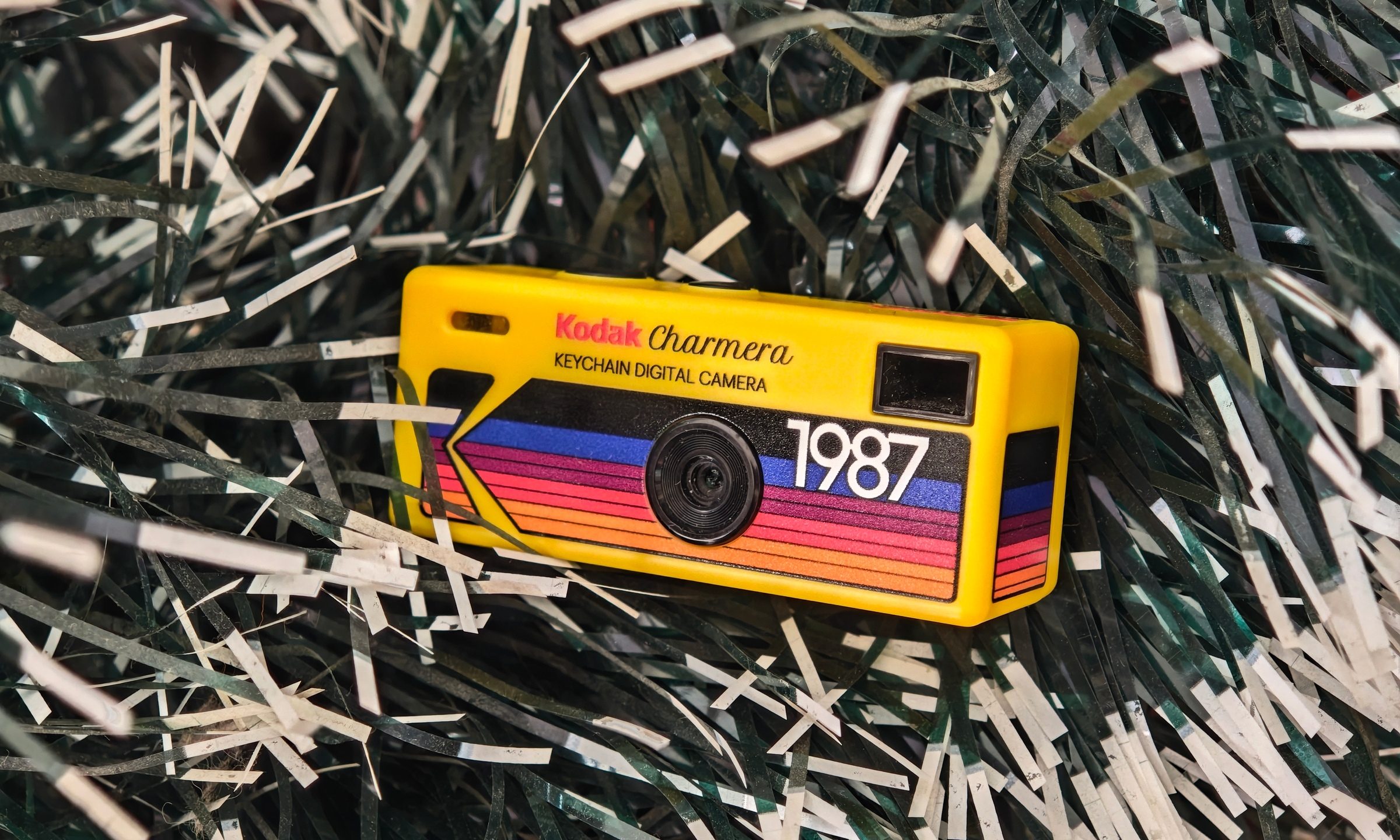
I bought the Kodak Charmera partly because I wanted a portable digital camera, and partly because I wanted a pretty little collectible. The Charmera is sold as a blind box, so you do not know which version you are getting until the box is opened. There are multiple retro Kodak-style designs, plus a transparent secret edition that looks like the one everyone would want.

I had the shopkeeper pick my box for better luck, and it worked out. I got the yellow variant, which is inspired by Kodak's original 80s disposable camera. The transparent one is definitely the fun collector’s piece, but the yellow model feels like the proper Kodak version. It looks like a tiny toy camera that escaped from a souvenir shop, found a keyring, and now hangs around wherever you go.

Read more
This new $30 keychain camera is coming for Kodak Charmera with a flip screen for selfies
Yashica's new camera makes toy photography more fun
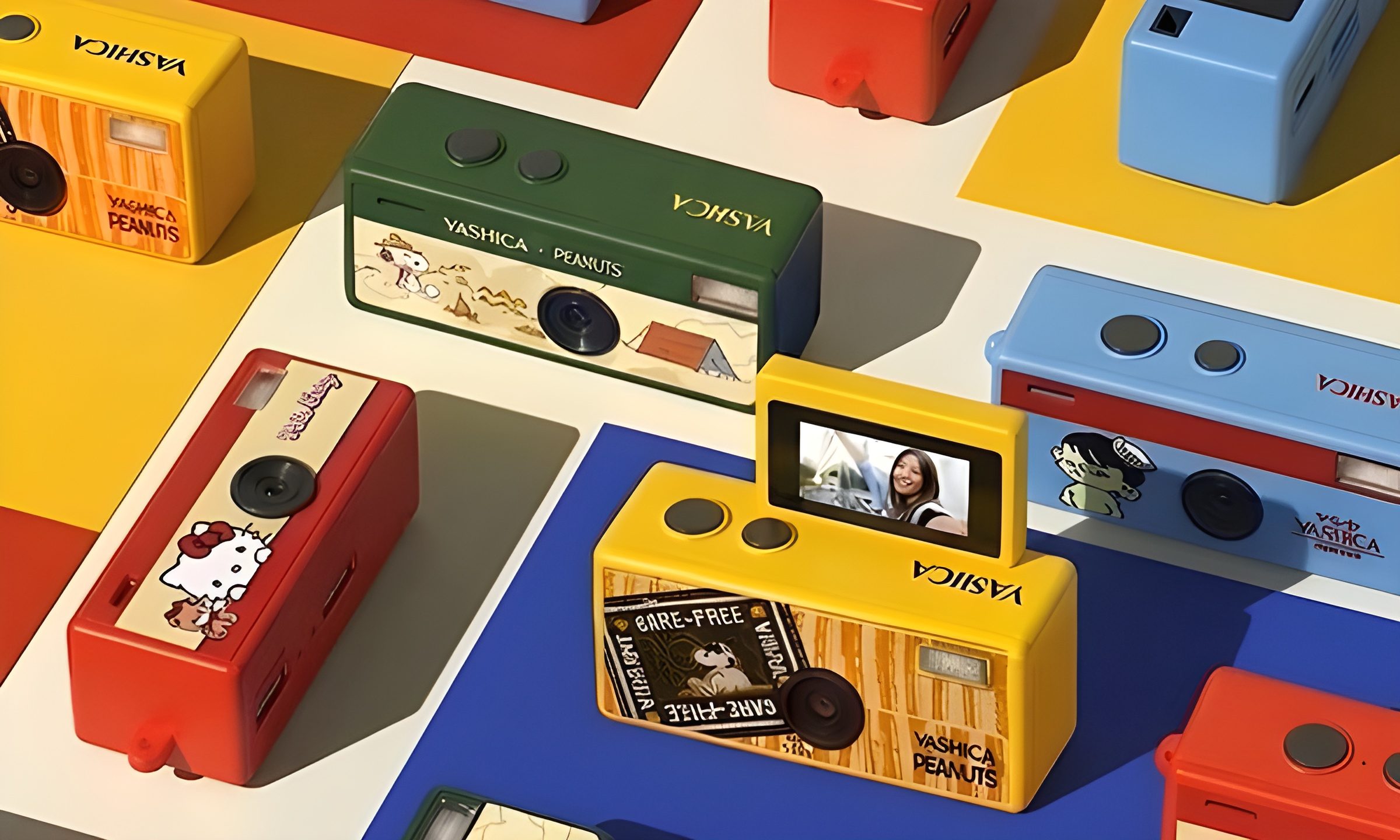
YASHICA Funtastic Keychain Camera in multiple variants

Tiny digital cameras are all the rage, and Yashica is now offering a very cute toy photography experience of its own. The company’s new Funtastic Keychain Camera is exactly what the name suggests, a miniature digital camera small enough to clip onto your keys, bag, or lanyard. The popular Kodak Charmera is the obvious comparison, which brings a tiny blind-box keychain camera that became a viral collectible.

Now, Yashica's version lands in the same novelty-camera lane, but adds one very useful trick, which is a 180-degree flip screen.

Read more
Google releases big v4.0 update for its popular Snapseed editing app on Android
Electronics, Phone, Mobile Phone

After years of sitting on its hands, Google appears to have remembered it owns one of the best photo editing apps on mobile. Snapseed 4.0 is now rolling out to Android, bringing the platform up to speed after a stretch of iOS exclusivity that left Android users watching from the sidelines.

The story starts last June, when Google quietly broke Snapseed out of its long dormancy with a significant 3.0 update for iPhone. It was a surprise move that suggested the company was serious about the app again. Google then confirmed at the start of this year that Android wouldn't be left behind for long, and true to that word, the Play Store listing has now been updated to reflect version 4.0 — skipping straight past 3.0 for Android users and landing both platforms on the same version simultaneously.

Read more