1. Home
  2. Computing
  3. News

Graphics cards beware, a new style of OSX malware can hide in the RAM of GPUs

Add as a preferred source on Google

According to a research paper posted by an anonymous team of developers, a new form of malware has been created that’s capable of hiding inside the RAM component of Nvidia graphical processing units, or GPUs.

Previously, the WIN_JELLY malware was only functional in certain versions of Windows and Linux, but now the engineers responsible say they’ve successfully developed a new beast which is capable of breaking into OSX.

Recommended Videos

The infection works by installing a random access tool (RAT) inside of a video card’s memory, which can lay in wait for the operating system to make a request, at which point the Trojan attacks and installs a backdoor that allows for full control of the computer and all accounts inside.

For now the malware looks like it still exists merely in the realm of proof-of-concept, however we should still be wary now that the news is out in the wild. Members of the team say they have never been one to work with companies on shoring up their security, and we can’t imagine that this situation is any different.

The developers of JELLY have however made a point not to blame any one operating system in particular, or even Nvidia for that matter. Instead they say, the responsibility lies on the shoulders of the security software designed to stop these kinds of problems from proliferating. According to them, the reason their malware works is because there isn’t an antivirus program in existence designed to scan the RAM of a video card, and that practice needs to change.

The malware isn’t meant be a threat as much as it is a warning flare to the security industry that every part of a computer can be exploited if there’s enough money to be made in it, and security software will need to account for that going forward.

Chris Stobing
Former Digital Trends Contributor
Self-proclaimed geek and nerd extraordinaire, Chris Stobing is a writer and blogger from the heart of Silicon Valley. Raised…
Claude Fable 5 is leaving subscriptions, but maybe not for good
High demand is pushing Claude Fable 5 out of subscriptions for now
Claude Fable 5 and Claude Mythos 5 Official Render

Anthropic’s most advanced publicly available Claude model is still leaving standard subscription access after July 7, but the company is now trying to calm fears that the move is permanent.

Fable 5 recently returned to Claude after drawing scrutiny from the U.S. government. Anthropic said it would be included on Pro, Max, Team, and select Enterprise plans for up to 50% of weekly usage limits through July 7. After that date, the model is set to move to usage-credit billing, meaning users will pay for access outside their regular plan limits.

Read more
Yet another research breaks the hype bubble for AI browsers serving serious security flaws
Four popular AI browsers can be exploited to steal your data from other open tabs.
ChatGPT Atlas browser on a MacBook.

AI browsers are being sold as the next big thing. They can summarize pages, book trips, and even make purchases for you. But a new study from the University of Washington found that four of the seven most popular ones come with a security risk serious enough to let malicious websites steal data from other sites you have open. The more capable the browser, the bigger the risk turns out to be.

The 30-year security rule that AI browsers are breaking

Read more
Valve just gave away the blueprint for its coolest Steam Machine mod
Valve giving away the recipe instead of the dish, and honestly, we're okay with it.
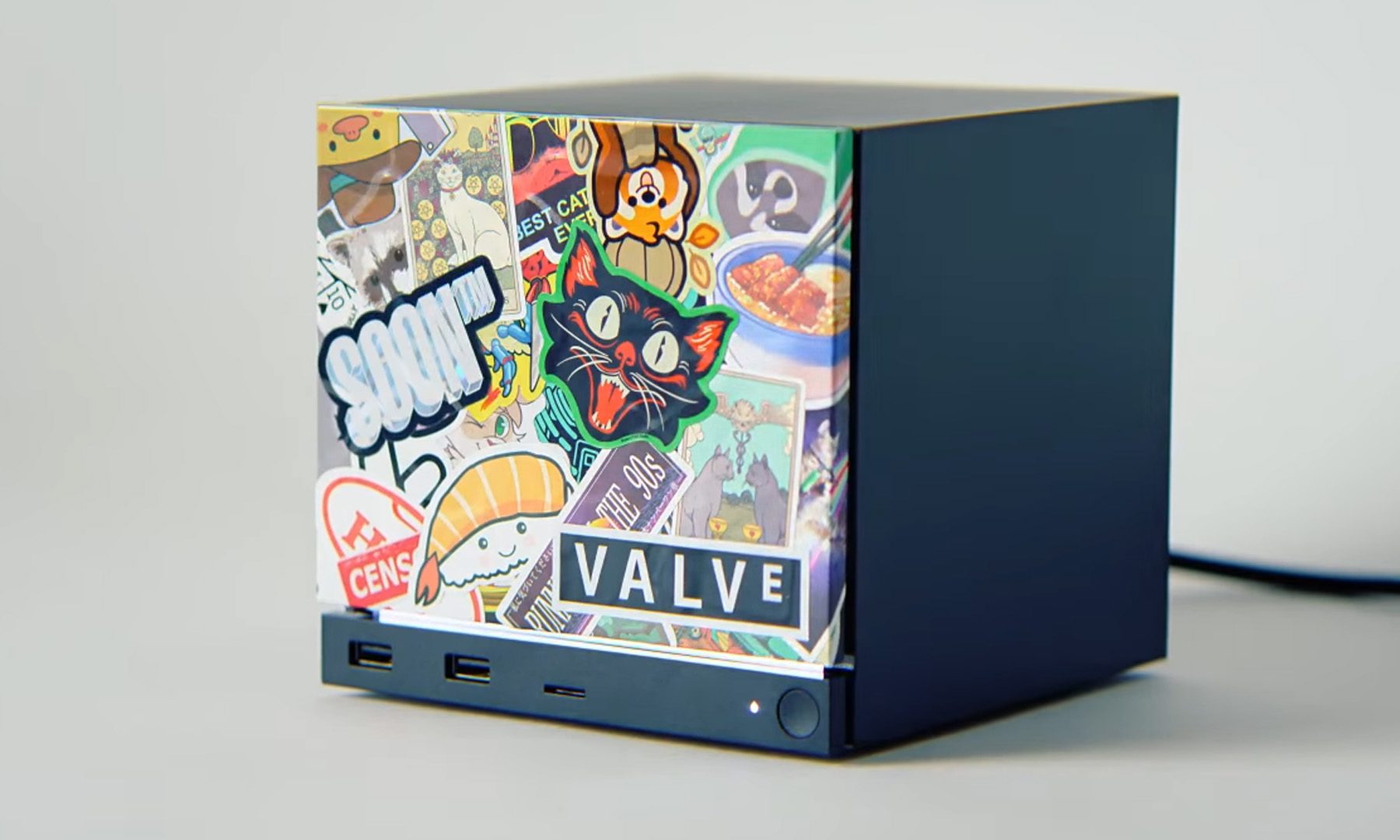
Valve Steam Machine Featured Design Coverplate

While Valve’s Steam Machine launched at a higher-than-expected price due to the AI-driven chip shortage, it seems that the company is not sitting on its haunches and is still working hard to make the product more enticing to users. 

One of the coolest features of the Steam Machine is the user-customizable front faceplate, and Valve has just made it better. The company open-sourced its "Inkterface" project, which allows users to build their own e-ink faceplate for the Steam Machine.

Read more