  1. Home
  2. Cars
  3. News

Las Vegas startup shows off a monstrous 1,700 horsepower plug-in hybrid supercar

Add as a preferred source on Google

Ever heard of PSC Motors? Don’t feel bad if not. While not a household name, the Las Vegas-based automotive startup is gearing up to reveal its first production car, and it’s a force to be reckoned with.

Called the SP-200 SIN, PSC’s supercar is a plug-in hybrid pairing a 9.0 liter naturally-aspirated V8 with a rear-axle-mounted electric motor. The combined result is a monstrous 1700 horsepower. An eight-speed dual clutch automatic gearbox will attempt to transfer the power to the ground via the rear wheels.

Recommended Videos

Zero to 60 mph will take 2.8 seconds and its top speed is rated at a record-setting 280 mph. The SP-200’s electric-only range, however, is 30 miles. And while the top end is impressive, its 0-60 mph time is already a bit slow by comparison to cars like the Ferrari La Ferrari and Bugatti Veyron SS, which each hit the same mark in just 2.4 seconds. Even the Nissan GT-R NISMO can hit 60 mph in a tenth of a second less.

SP-200-SIN rear
Image used with permission by copyright holder

The mid-engined supercar is manufactured with carbon fiber and aluminum to keep its weight down to 3,080 pounds. By comparison, the McLaren P1 hybrid supercar weighs nearly the same, at 3,069 pounds.

PSC Motors’ CEO Antonio Calva isn’t shy about the new supercar’s goal: to best the world’s fastest automakers and their creations, including the Ferrari La Ferrari, McLaren P1, Porsche 918, and Koenigsegg Regera (that last one might be stretch, though).

“When this project was started five years ago, we wanted to do something new, something special that can pay tribute to some of the world’s fastest cars. Nobody needs 1000 horsepower, so we gave it more,” Calva said.

As might be expected, the SP-200 SIN will be a rare sight, with only 35 examples planned for production. Calva confirmed production will begin in 2016 following a full preview of the car by PSC Motors on June 1.

Miles Branman
Miles Branman doesn't need sustenance; he needs cars. While the gearhead gene wasn't strong in his own family, Miles…
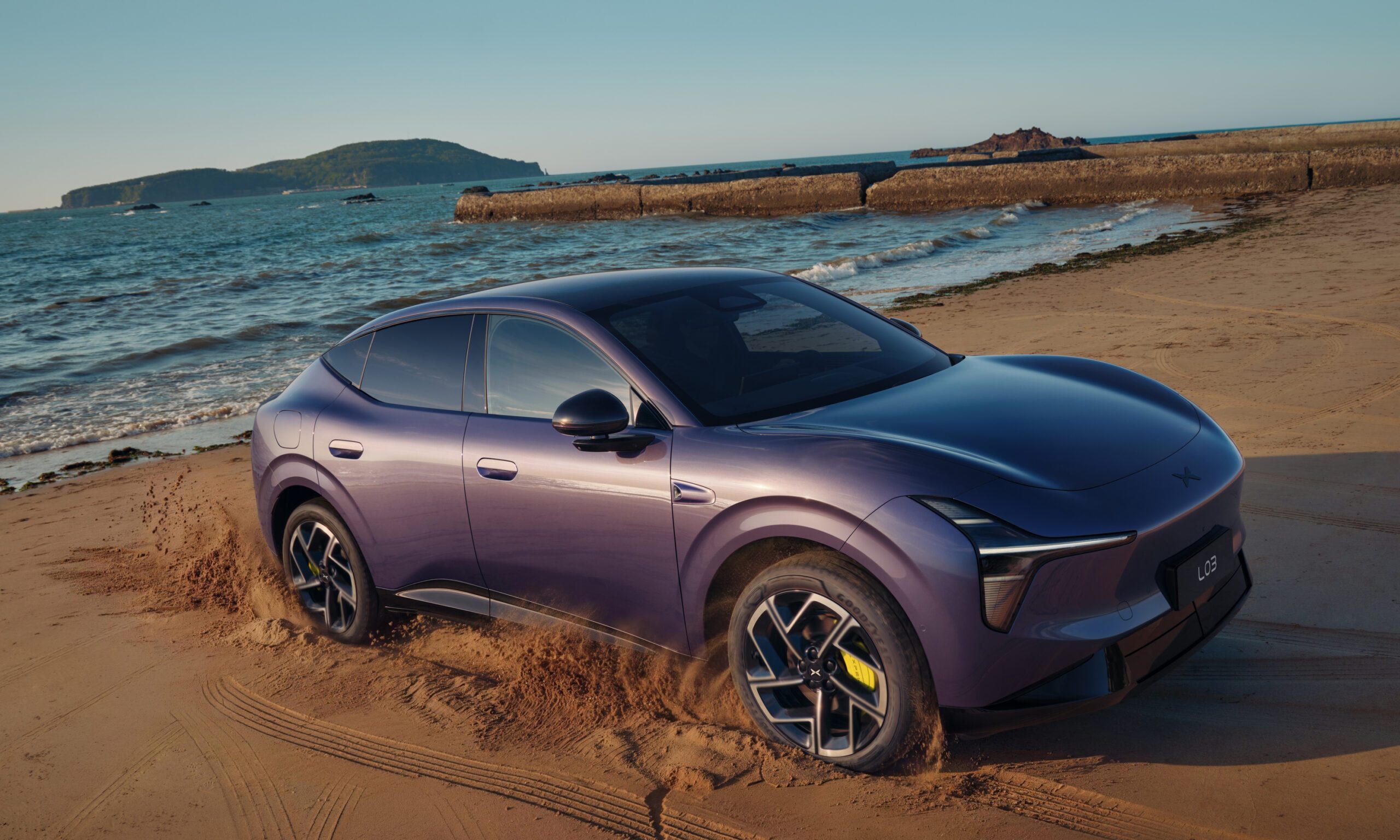
This sleek Chinese EV pairs supercar styling with three AI brains
The Xpeng L03 is an AI supercomputer disguised as a stylish family SUV
Xpeng L03

Xpeng’s latest electric vehicle carries enough processing power to make the term "smart car" actually sound more realistic than it actually is. The new Xpeng L03 debuted simultaneously in Europe and China on July 16, with the company presenting it across 65 markets. Available as a fully electric vehicle and an L03 Power X range-extender, the coupe-SUV is Xpeng’s most internationally focused model so far. Market-specific prices and sales dates remain unannounced.

Three AI chips and Google Maps built right in

Read more
A new sodium battery posts wild four-minute charging numbers, but don’t expect it in an EV yet
The breakthrough could improve fast charging and battery life, but the study hasn’t demonstrated those results in a production-sized pack
EV Charger

A new sodium-metal battery has posted a charging number that makes today’s EVs look painfully slow. In laboratory testing, the cell operated at a 15C rate, equivalent to completing a charge or discharge in roughly four minutes.

That doesn’t mean researchers plugged in an electric car and watched it fill up before the driver finished buying coffee. The result came from a small experimental cell using a new quasi-solid electrolyte, while the larger pouch-cell prototype delivered far less dramatic performance.

Read more
The Apple Car may be dead, but it became the foundation of Apple Intelligence
A decade of work on a canceled car project reportedly laid the groundwork for Apple Intelligence.
Apple Intelligence in Apple Car

The Apple Car may have never left the garage, but it apparently gave birth to Apple's AI ambitions. According to Bloomberg's Mark Gurman, Apple's canceled autonomous vehicle project, one that consumed more than a decade of work and over $10 billion before being scrapped in 2024, ended up laying the technological foundation for Apple Intelligence. In a rather ironic twist, one of Apple's most expensive failures may also become one of its most important long-term investments.

The Apple Car forced Apple to think like an AI company

Read more