1. Home
  2. Emerging Tech
  3. News

Watch OSU’s blind robotic ostrich stumble over obstacles without falling

Add as a preferred source on Google

The biggest hurdle that’s preventing bipedal humanoid robots from being useful in real life is arguably their lackluster ability to overcome obstacles and negotiate difficult terrain. We humans have no trouble scaling a flight of stairs or stepping over an unexpected pothole, but robots aren’t so good at that kind of stuff yet.

Oregon State University’s Dynamic Robotics Laboratory Team wants to change that. The group has designed a robot called ATRIAS that is capable of  recovering from curbs, pits, puddles, and various other hurdles — without having to see the obstacle or plan its movements in advance.

Recommended Videos

The robot was designed as part of a research project to test and demonstrate the science of walking and running, with ultimate goal of creating robots with the ability to overcome highly technical terrain quickly and efficiently.

ATRIAS Robot: Climbs a 15-cm Obstacle

To make this possible, ATRIAS is equipped with two carbon fiber legs mounted to series-elastic fiberglass springs, which act as a suspension system and help the bot store mechanical energy. These springy legs give it the ability to run and walk like a human, and also help to minimize the impact forces generated on each footfall, thereby keeping the robot stable.

Lately, the team behind the project has been subjecting ATRIAS to various tests. In the most recent video released by the team, the bot can be seen maneuvering over a 15 centimeter step completely blind. ATRIAS is not fitted with a navigation system or spatial awareness sensors of any kind, so it can therefore only react to obstacles once it has encountered them. Even after planting its foot awkwardly it manages to balance itself and keep moving.

With these capabilities, ATRIAS could one day be able to climb stairs, wander around urban environments, or even stumble over rubble on post-disaster rescue missions.

John Camdir
Former Digital Trends Contributor
John is fascinated with technologies that deals with health and the advancement of human capabilities. He is a bionics…
Yet another study says AI is bad for elections, and the rabbit hole gets worse
AI may be an election bomb waiting for someone to light the fuse
Voters cast their ballots on Election Day

Another election, another study has concluded that asking an AI chatbot for political guidance is a spectacularly bad idea. Research conducted during Hungary’s 2026 parliamentary election found that ChatGPT and Google Gemini offered not just inaccurate but also inconsistent and unreliable voting advice. The chatbots misclassified voter profiles, overlooked relevant parties, recommended parties absent from the ballot, and sometimes produced materially different answers when given the same information repeatedly.

AI keeps failing the voter test

Read more
Samsung’s humanoid robot ambitions are real, but factories come first
Samsung’s new robotics division has humanoids in its sights, although its immediate business is far more practical factory automation
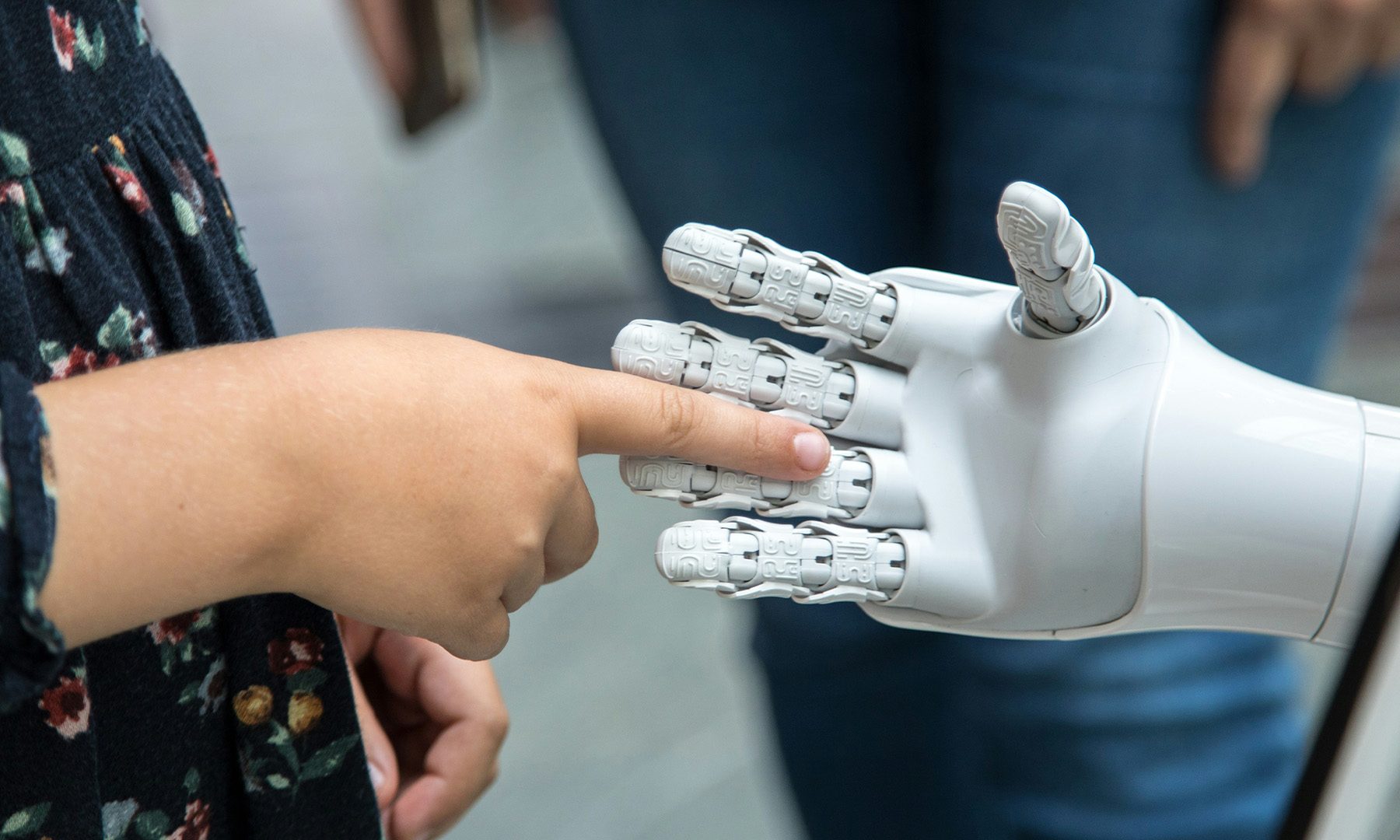
Robot Touch Human Finger

Samsung wants a place in the humanoid race, but its new robotics push begins with machines built for factories rather than homes.

The CEO-led RX robotics division will initially focus on manufacturing robots. Samsung has separately identified humanoids as a priority, although it hasn’t announced a commercial model or explained where one fits into the division’s immediate plans.

Read more
The future of AI may depend on this one behind-the-scenes change
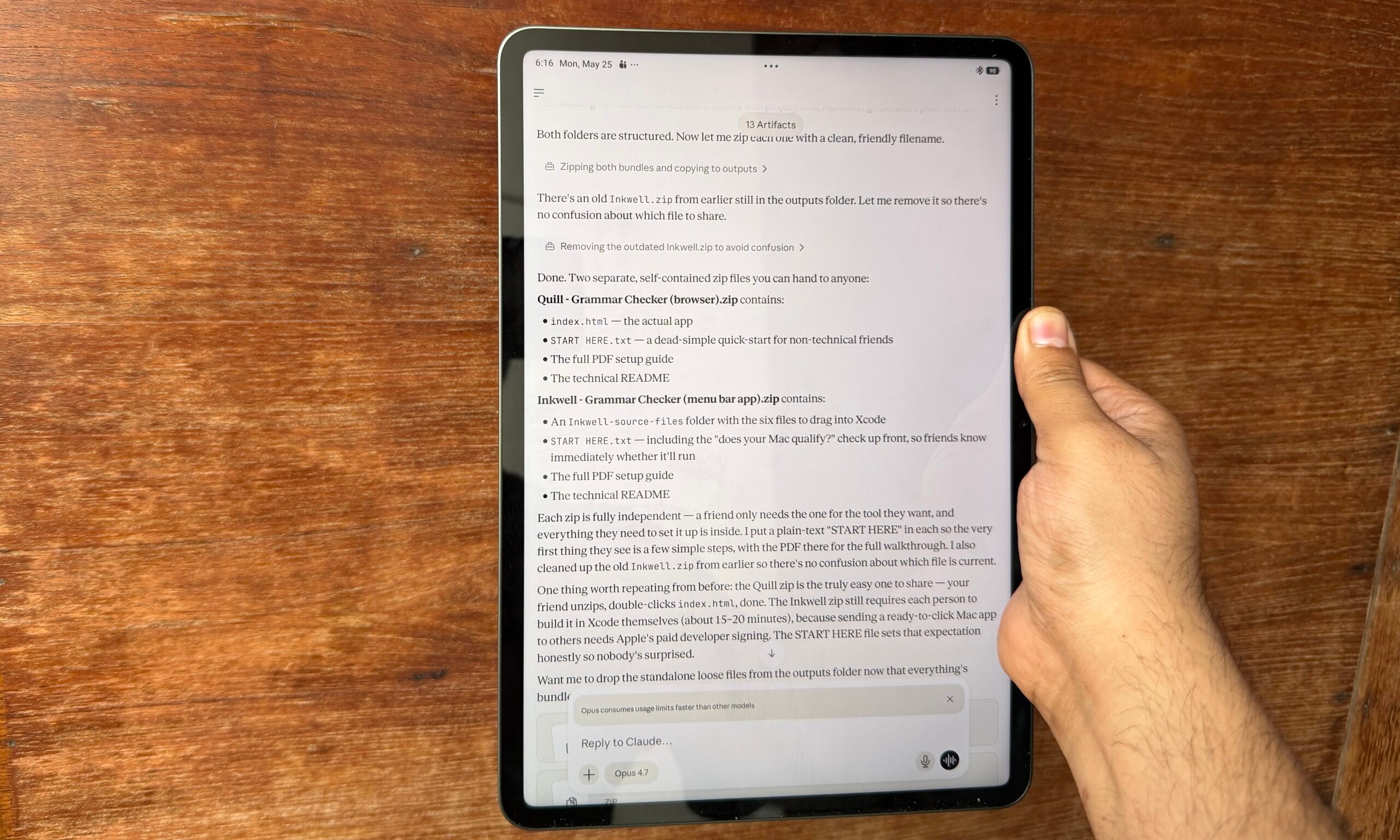
Running Claude on Android.

Whenever a new AI model arrives, it's easy to get caught up in the bells and whistles. We talk about how much smarter it is, how quickly it answers questions, or how realistic its images have become. But here's the thing: none of that matters much if the AI can't reliably work with the apps and services people use every day.

That's why an upcoming update to the Model Context Protocol (MCP) caught my attention. It isn't a new chatbot or a fancy AI model. In fact, most people will never even know it's happening. But it could quietly make the AI ecosystem a lot healthier. If you've never heard of MCP before, don't worry. Think of it as a shared language that lets AI assistants safely talk to apps like Gmail, Slack, calendars, databases, and countless other services. Instead of every company inventing its own way to make those connections, MCP gives everyone a common rulebook.

Read more