1. Home
  2. Computing
  3. Virtual Reality
  4. News

Virtual reality benchmarking tools from Futuremark in the works

Add as a preferred source on Google

When one wants to know how powerful a graphics card is relative to a competing model, benchmarking tools provide the data needed for a valid comparison. For virtual reality, no such tool exists, leaving would-be consumers in the dark. Futuremark is looking to remedy that situation with the announcement of VRMark, which it promises will be able to provide accurate benchmark data that is able to measure a VR system’s performance, latency, and accuracy, all of which are key to a solid VR experience.

VRMark will use a combination of hardware and software to get the data. The tests are not really aimed at general users, instead Futuremark says the tools are aimed at manufacturers, analysts, and press. Of course, test data will then be announced, as they are with other benchmarks. So in the end, potential buyers will be clued into whether a VR headset’s sensors are up to snuff.

Recommended Videos

Also of note is that the tests will not just be for video games, but will also work for photos and other simulations.

The key to VR looking good and feeling comfortable to a user is a smooth and stable frame rate, and that’s the main focus of VRMark. It will test a VR system’s ability to deliver a consistently high frame rate regardless of the level of quality and type of content. Aside from the frame rate, the new VR benchmarking tools will measure frame latency and the responsiveness and accuracy of the sensors in the headset.

The team at Futuremark is opening up a test program for its new VR benchmarking tools called Benchmark Development Program. Futuremark says that “companies creating VR hardware and software, and others with an interest in VR system performance” are eligible to apply for access to the tools now, but it didn’t announce an actual release date for the final version of VRMark.

Dave LeClair
Former Digital Trends Contributor
Dave LeClair has been writing about tech and gaming since 2007. He's covered events, hosted podcasts, created videos, and…
ChatGPT will now remind teens to take breaks and give parents more controls
New parental controls include Quiet Hours, Study Mode defaults, and alerts for serious account violations.
chatgpt-teen-safety-features

OpenAI wants to make ChatGPT safer for teens, and the changes go well beyond a simple content filter. In a new update, the company laid out its stance on why teens should have access to AI in the first place, arguing that keeping them away from it entirely would leave them unprepared for one of the defining technologies of their generation.

Nearly 90% of teens already use ChatGPT weekly for learning, research, or getting organized, which is why OpenAI says access needs to come paired with real protections built for their age.

Read more
ChatGPT’s new search tool saves you from digging through old chats, files, and images
You can also filter ChatGPT search results by content type.
chatgpt-new-search

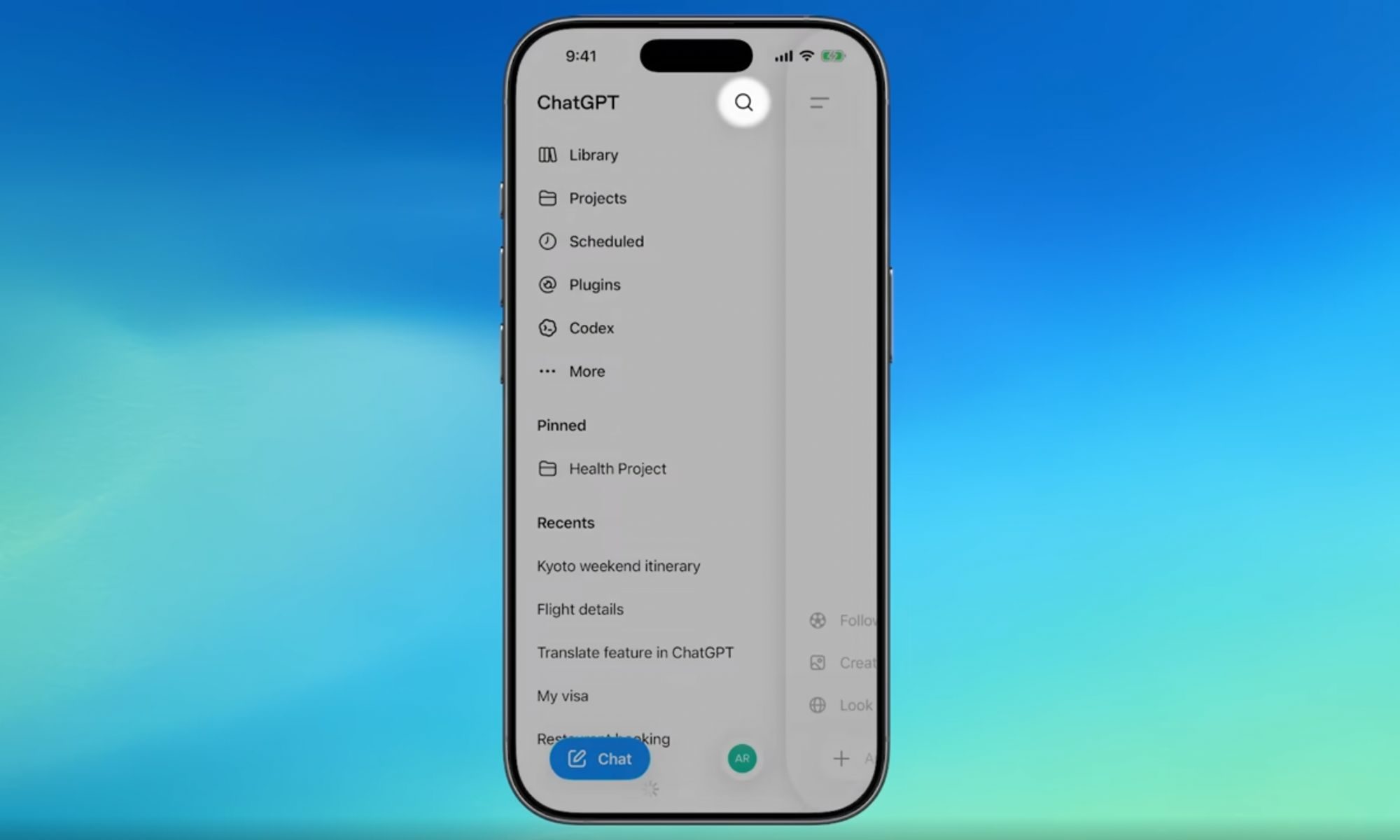
If you have ever lost a great ChatGPT answer somewhere in your endless chat history, that headache is finally over. OpenAI has rolled out a major search upgrade that lets you find old chats, projects, documents, and images all from one place.

Before this update, the sidebar search only pulled up past conversations, leaving uploaded files, projects, and generated images completely out of reach. The new search option is now available across web, iOS, and Android, on every ChatGPT plan, including free accounts.

Read more
You can now link your favorite apps to AI Mode in Google Search to get things done
AI Mode now works with Instacart, Canva, and YouTube Music inside Search.
google-search-ai-mode-connect-apps

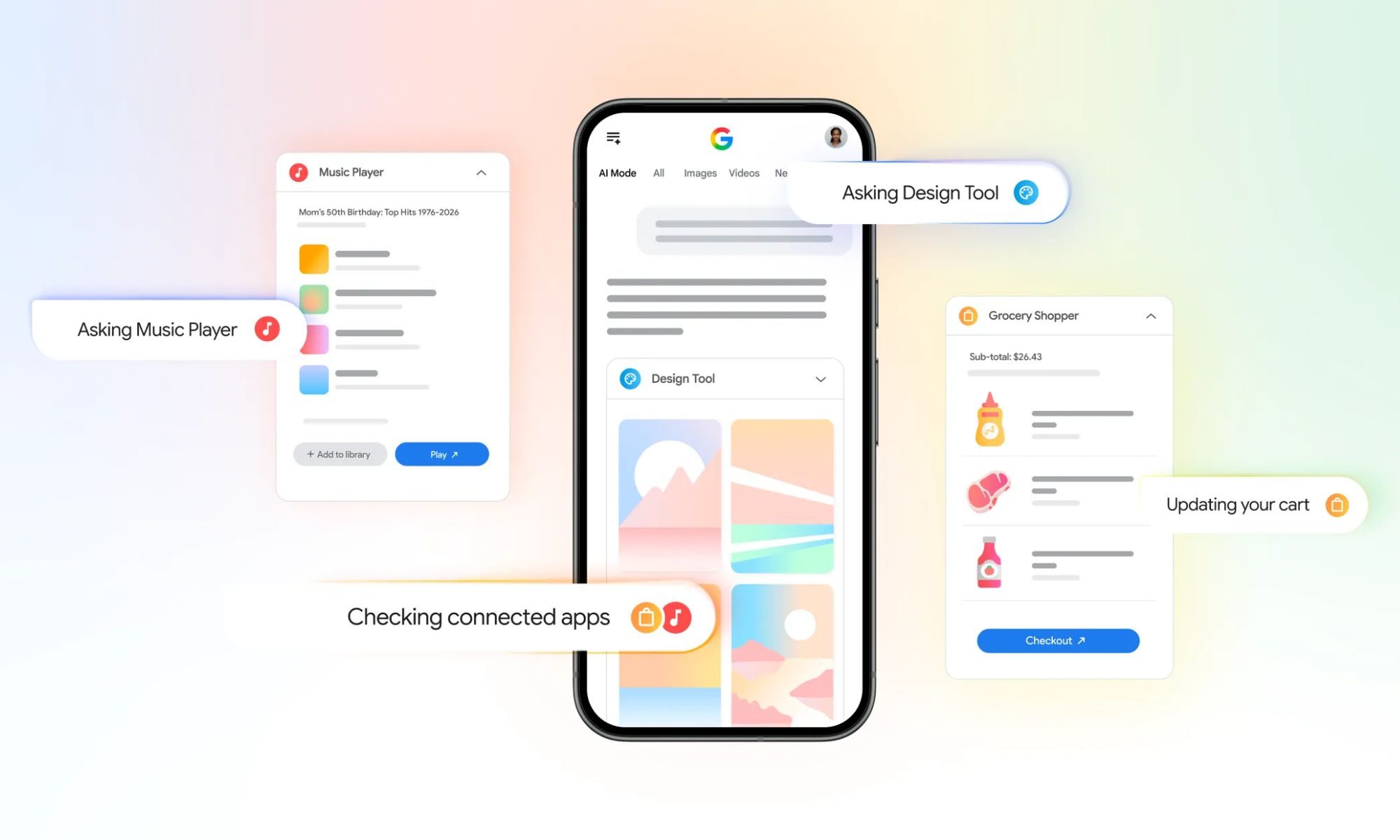
Google is making AI Mode in Search more useful by letting you connect third-party apps. Starting this week in the US, you can securely connect some of your go-to apps directly to AI Mode, letting Search actually complete tasks for you instead of just answering questions.

This update builds on a similar trick Google already pulled off inside the Gemini app, and now it is landing in Search itself. The initial rollout includes three launch partners, Instacart, Canva, and YouTube Music, with Google saying more app integrations are on the way.

Read more