1. Home
  2. Emerging Tech
  3. News

NASA’s toed robot gripper may bring an asteroid back to Earth

Add as a preferred source on Google

With the exception of the European Space Agency’s Rosetta Mission, most of the missions to asteroids have been flybys, which give us less information than a spacecraft actually landing on one, conducting experiments, and gathering data. Though Rosetta’s Philae lander hasn’t provided all the data the agency hoped for, the mission will officially come to an end by September next year.

But to keep the quest alive, NASA has announced its plan to launch a robotic spacecraft toward a small asteroid as a part of its ambitious Asteroid Redirect Mission. The purpose of sending a robot there is to bring a small boulder lying on the surface of the asteroid back to earth, so that the scientists can analyze it more closely.

Recommended Videos

Though it hasn’t said which asteroid it might send a robot to, NASA has already developed a prototype of a robotic arm that will grip the boulder, according to Spectrum. Made up of several clawed, flexible metal “toes,” what makes this gripper perfect for grabbing onto rough surfaces is each of the 2,000 individual spines flexing independently in trios.

Asteroid Redirect Mission: Boulder Collection Concept

When the gripper is on the object’s surface, cables attached to the central hub tighten, pulling in the toes and engaging the spines. The spines release the object when the cables go slack. Neither operation requires a force to push the gripper, a plus for the microgravity environment. Still, it’s just in the prototype phase, and this might not be NASA’s final design for the arm.

Although a mission to Mars or the moon may sound more exciting, studying asteroids may give us clues about the origin of our solar system and life on our planet, as well as help us develop technologies to mine them for minerals. And we can probably learn more about halting a collision with one from an actual asteroid than we can from Armageddon.

John Camdir
Former Digital Trends Contributor
John is fascinated with technologies that deals with health and the advancement of human capabilities. He is a bionics…
Yet another study says AI is bad for elections, and the rabbit hole gets worse
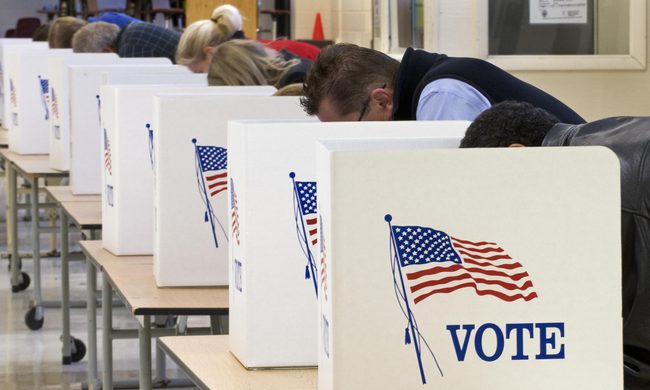
AI may be an election bomb waiting for someone to light the fuse
Voters cast their ballots on Election Day

Another election, another study has concluded that asking an AI chatbot for political guidance is a spectacularly bad idea. Research conducted during Hungary’s 2026 parliamentary election found that ChatGPT and Google Gemini offered not just inaccurate but also inconsistent and unreliable voting advice. The chatbots misclassified voter profiles, overlooked relevant parties, recommended parties absent from the ballot, and sometimes produced materially different answers when given the same information repeatedly.

AI keeps failing the voter test

Read more
Samsung’s humanoid robot ambitions are real, but factories come first
Samsung’s new robotics division has humanoids in its sights, although its immediate business is far more practical factory automation
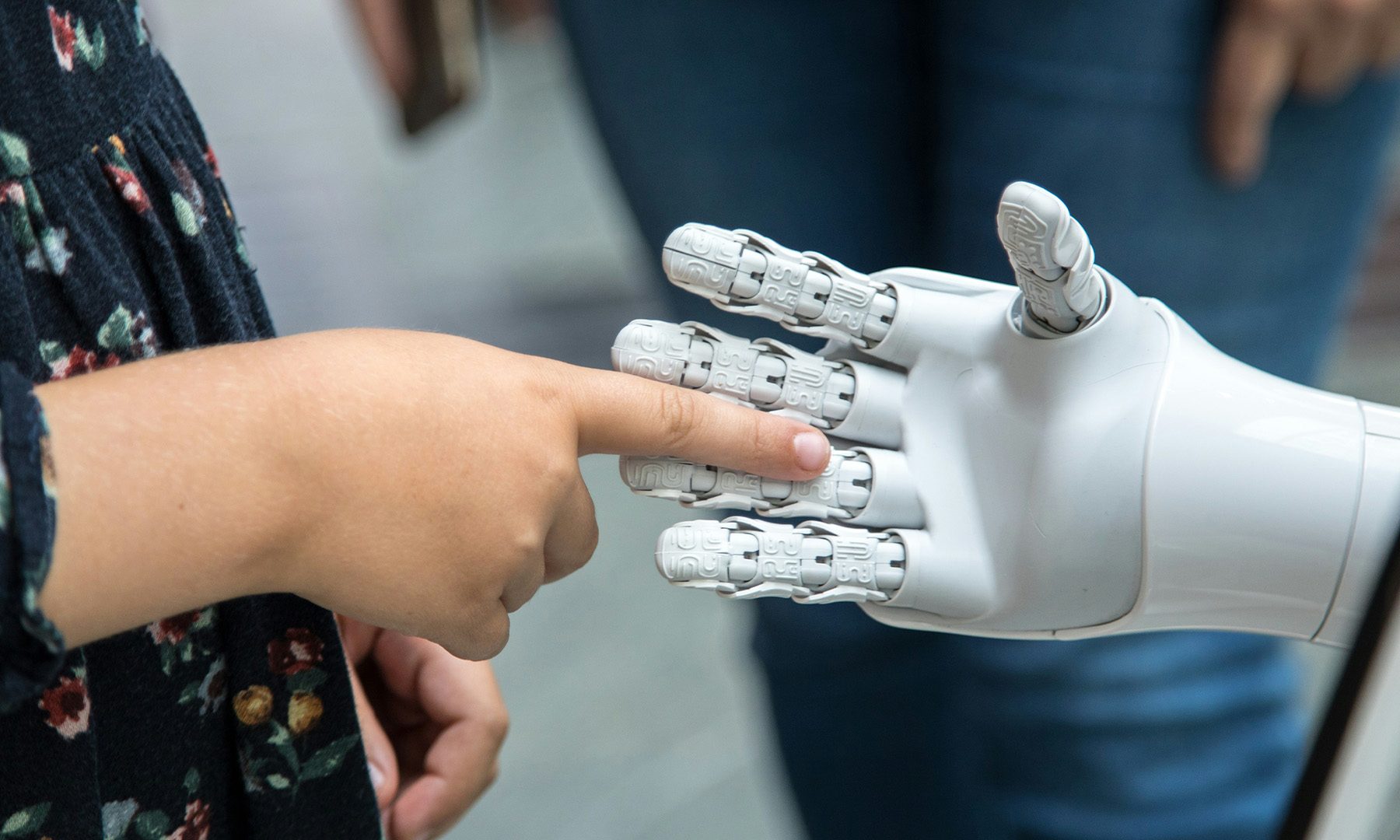
Robot Touch Human Finger

Samsung wants a place in the humanoid race, but its new robotics push begins with machines built for factories rather than homes.

The CEO-led RX robotics division will initially focus on manufacturing robots. Samsung has separately identified humanoids as a priority, although it hasn’t announced a commercial model or explained where one fits into the division’s immediate plans.

Read more
The future of AI may depend on this one behind-the-scenes change
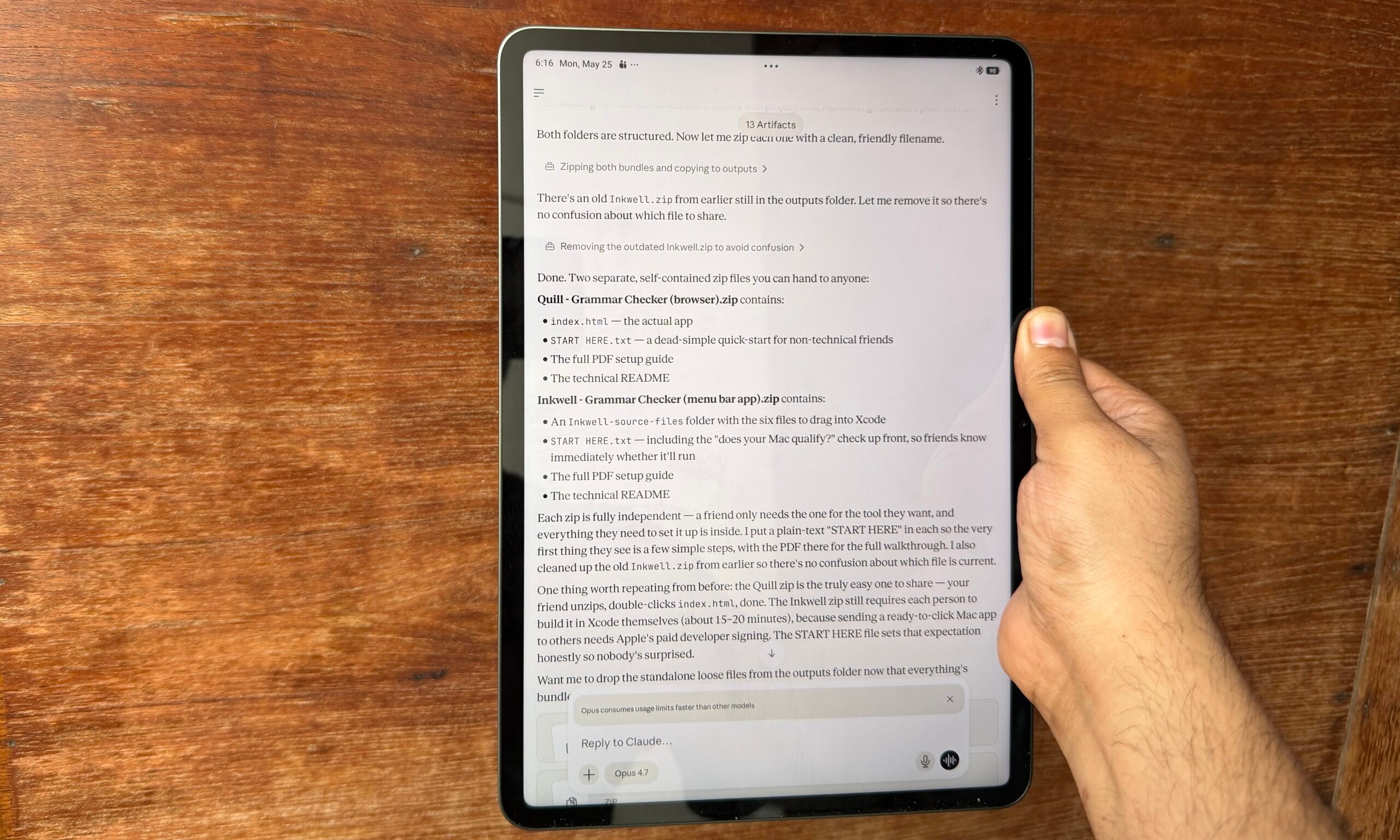
Running Claude on Android.

Whenever a new AI model arrives, it's easy to get caught up in the bells and whistles. We talk about how much smarter it is, how quickly it answers questions, or how realistic its images have become. But here's the thing: none of that matters much if the AI can't reliably work with the apps and services people use every day.

That's why an upcoming update to the Model Context Protocol (MCP) caught my attention. It isn't a new chatbot or a fancy AI model. In fact, most people will never even know it's happening. But it could quietly make the AI ecosystem a lot healthier. If you've never heard of MCP before, don't worry. Think of it as a shared language that lets AI assistants safely talk to apps like Gmail, Slack, calendars, databases, and countless other services. Instead of every company inventing its own way to make those connections, MCP gives everyone a common rulebook.

Read more