1. Home
  2. Computing
  3. News

Morpho is a hacking group that trades in intellectual property

Add as a preferred source on Google

Companies around the world are investing enormous amounts of time and money to combat the efforts of hackers. However, a new report suggests that the hackers themselves are just as committed to forward progress, albeit while pushing in the opposite direction.

A group called Morpho is apparently targeting the intellectual property of major companies, with a view to selling the purloined trade secrets on the black market. Using sophisticated techniques that can prey on computers running various operating systems, the organization has already attacked businesses in the fields of law, pharmaceuticals and tech, according to a report from the New York Times.

Recommended Videos

It’s thought that Morpho is the group that hit Microsoft, Apple, Twitter and Facebook in 2013, but the scope of their exploits is difficult to pin down. The group is as secretive as you might expect, and some companies who have been targeted — particularly those from the world of technology — might want to keep any breach quiet, both for public relations purposes and so as not to put themselves forward as an easy target.

The information on Morpho comes from a broader report on hacking set to be released by Symantec tomorrow. It’s thought that at least 49 organizations spread across 20 different countries have already been attacked by the group.

While hacking was once thought to be a simple matter of stolen passwords perpetrated by individuals, it’s clear that times have changed. Groups like Morpho are approaching hacking as a business, and profits from past hacks allow them to take on bigger and bigger targets.

Now, the responsibility falls to those on the other side of the equation to find a way to combat such threats. Sadly, the problem of cybercrime only looks set to get worse in years to come.

Brad Jones
Brad is an English-born writer currently splitting his time between Edinburgh and Pennsylvania. You can find him on Twitter…
ChatGPT will now remind teens to take breaks and give parents more controls
New parental controls include Quiet Hours, Study Mode defaults, and alerts for serious account violations.
chatgpt-teen-safety-features

OpenAI wants to make ChatGPT safer for teens, and the changes go well beyond a simple content filter. In a new update, the company laid out its stance on why teens should have access to AI in the first place, arguing that keeping them away from it entirely would leave them unprepared for one of the defining technologies of their generation.

Nearly 90% of teens already use ChatGPT weekly for learning, research, or getting organized, which is why OpenAI says access needs to come paired with real protections built for their age.

Read more
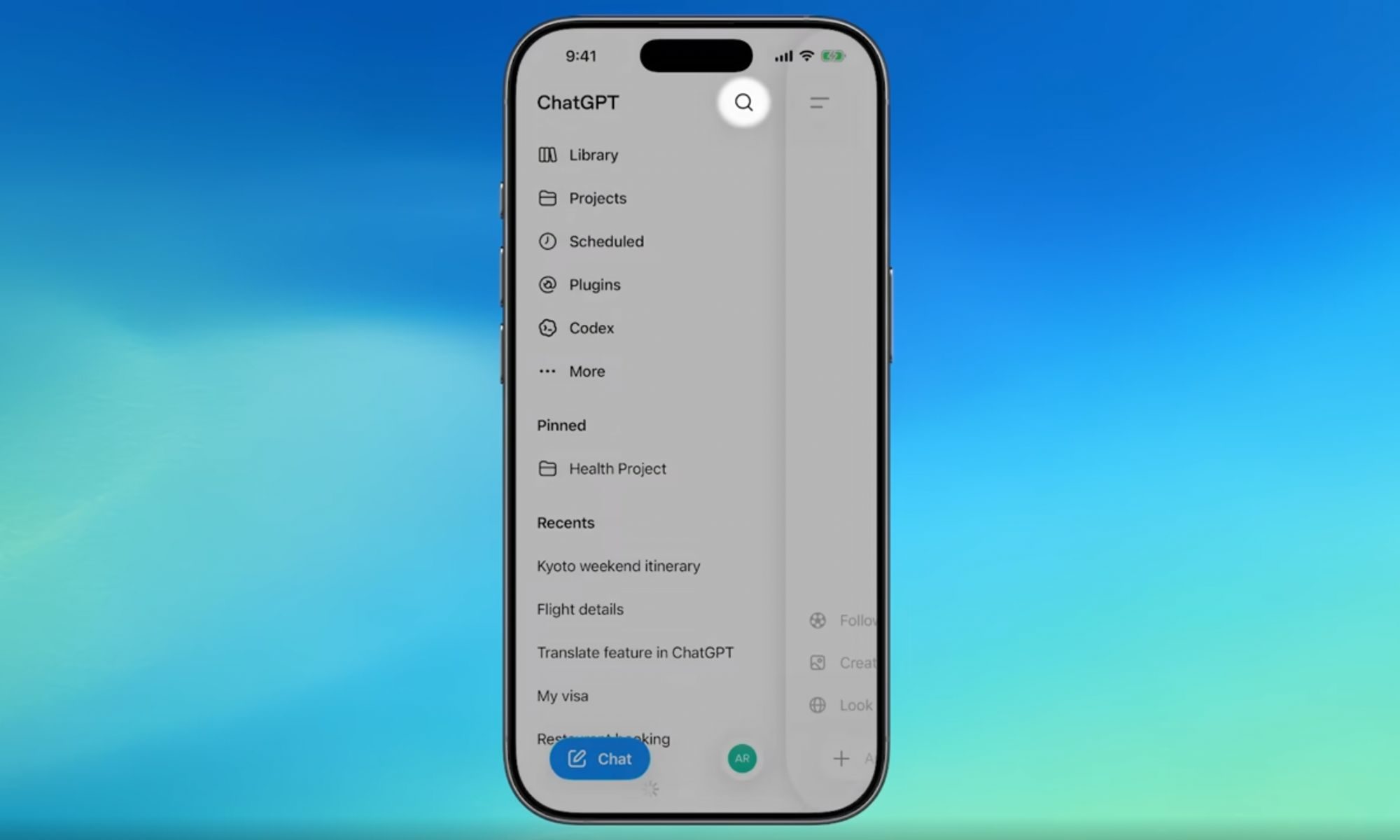
ChatGPT’s new search tool saves you from digging through old chats, files, and images
You can also filter ChatGPT search results by content type.
chatgpt-new-search

If you have ever lost a great ChatGPT answer somewhere in your endless chat history, that headache is finally over. OpenAI has rolled out a major search upgrade that lets you find old chats, projects, documents, and images all from one place.

Before this update, the sidebar search only pulled up past conversations, leaving uploaded files, projects, and generated images completely out of reach. The new search option is now available across web, iOS, and Android, on every ChatGPT plan, including free accounts.

Read more
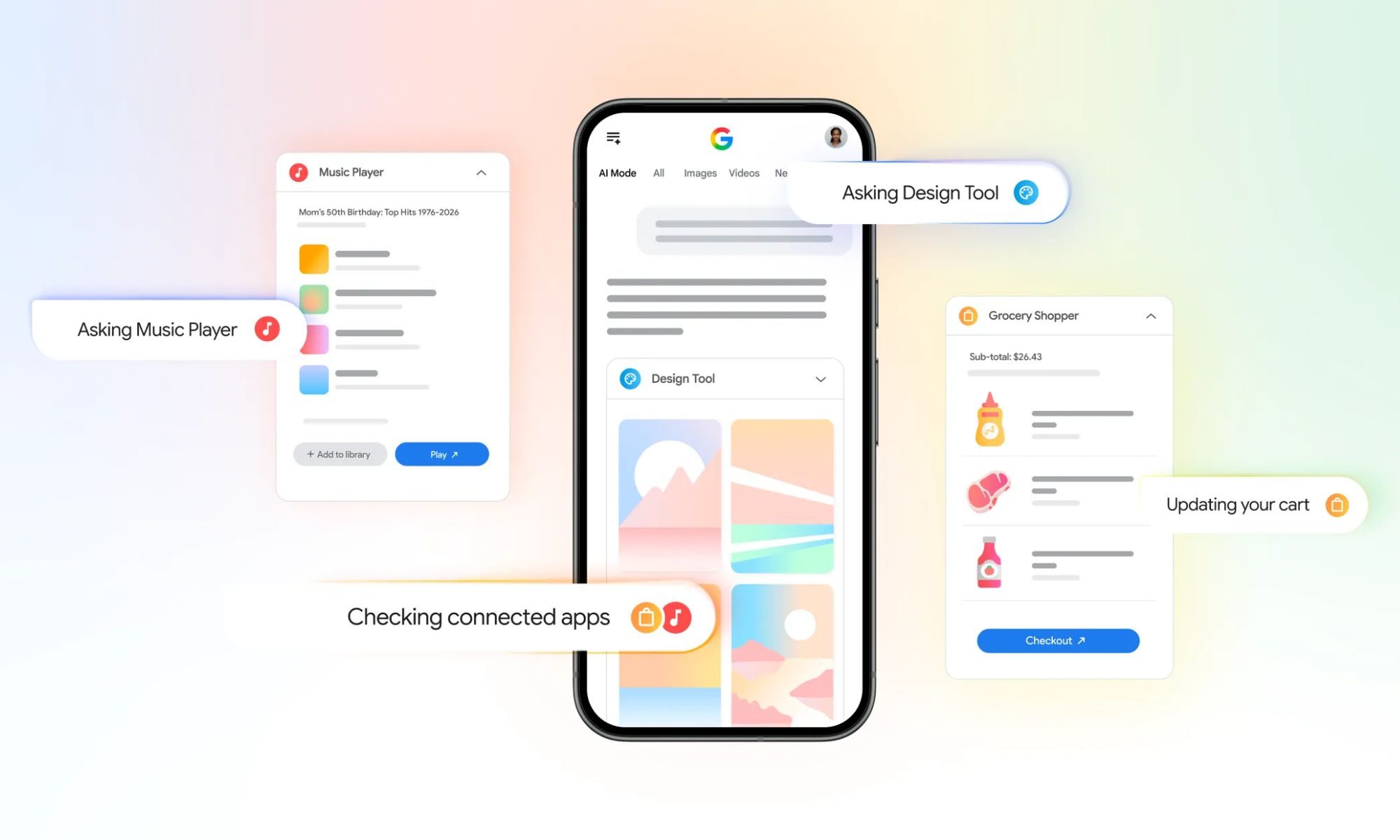
You can now link your favorite apps to AI Mode in Google Search to get things done
AI Mode now works with Instacart, Canva, and YouTube Music inside Search.
google-search-ai-mode-connect-apps

Google is making AI Mode in Search more useful by letting you connect third-party apps. Starting this week in the US, you can securely connect some of your go-to apps directly to AI Mode, letting Search actually complete tasks for you instead of just answering questions.

This update builds on a similar trick Google already pulled off inside the Gemini app, and now it is landing in Search itself. The initial rollout includes three launch partners, Instacart, Canva, and YouTube Music, with Google saying more app integrations are on the way.

Read more