1. Home
  2. Computing
  3. News

If you’re waiting for Windows 10, watch out for this email scam

Add as a preferred source on Google

Malware-pushing scammers are always willing to jump on the back of a bandwagon and this week their target is users upgrading to Windows 10. If you’re waiting for your download to arrive or you’re thinking about registering your interest, be wary of a new scam reported by Cisco, which could effectively lock you out of your computer.

As you might expect, a dodgy phishing email is the crooks’ method-of-choice for getting their harmful software on to your machine — while the message appears to come from update@microsoft.com, it most certainly doesn’t, and the attached installer should be avoided at all costs. Don’t let the promise of a free upgrade tempt you if an email like the one below should happen to hit your inbox.

Windows 10 upgrade scam
Image used with permission by copyright holder

If you are foolhardy enough to install the attachment, you’ll be met with a chilling message saying your files have been encrypted and you’ll need to pay cold, hard cash to get them unlocked again. This type of ransomware is often used by scammers to force people to stump up money in order to get their valuable data back. There’s no easy way around a malware program like this once it’s taken hold, so prevention is much better than cure.

Recommended Videos

“Adversaries are always looking to leverage current events to get users to install their malicious payloads,” reports the Talos Group at Cisco. “This is another example, which highlights the fact that technology upgrades can also be used for malicious purposes.”

The firm recommends making sure all your important files are backed up and stored somewhere off-site just in case a malware attack gets through your PC’s defenses. This is actually good practice to combat all kinds of potential problems, from your computer room getting flooded to your kids accidentally deleting data they shouldn’t have access to.

David Nield
Former Contributor
Dave is a freelance journalist from Manchester in the north-west of England. He's been writing about technology since the…
Windows 11 is getting a new Screen Tint mode, and your eyes might thank Microsoft
Users can apply custom color overlays to reduce screen intensity and visual fatigue.
Windows 11 on a laptop

Microsoft is testing a new accessibility feature for Windows 11 called Screen Tint, and it could be one of those small additions that make a surprisingly big difference. Instead of changing your display's color temperature like Night Light, Screen Tint applies a customizable color overlay across the entire screen, making bright displays easier on the eyes during long work or gaming sessions.

A softer screen for tired eyes

Read more
Apple’s looking at a politically radioactive fix for the memory crisis, and the US government isn’t happy about it
Apple blamed memory costs for your price hike. Its proposed solution involves a Pentagon blacklist.
Apple Mac Mini on a Desk

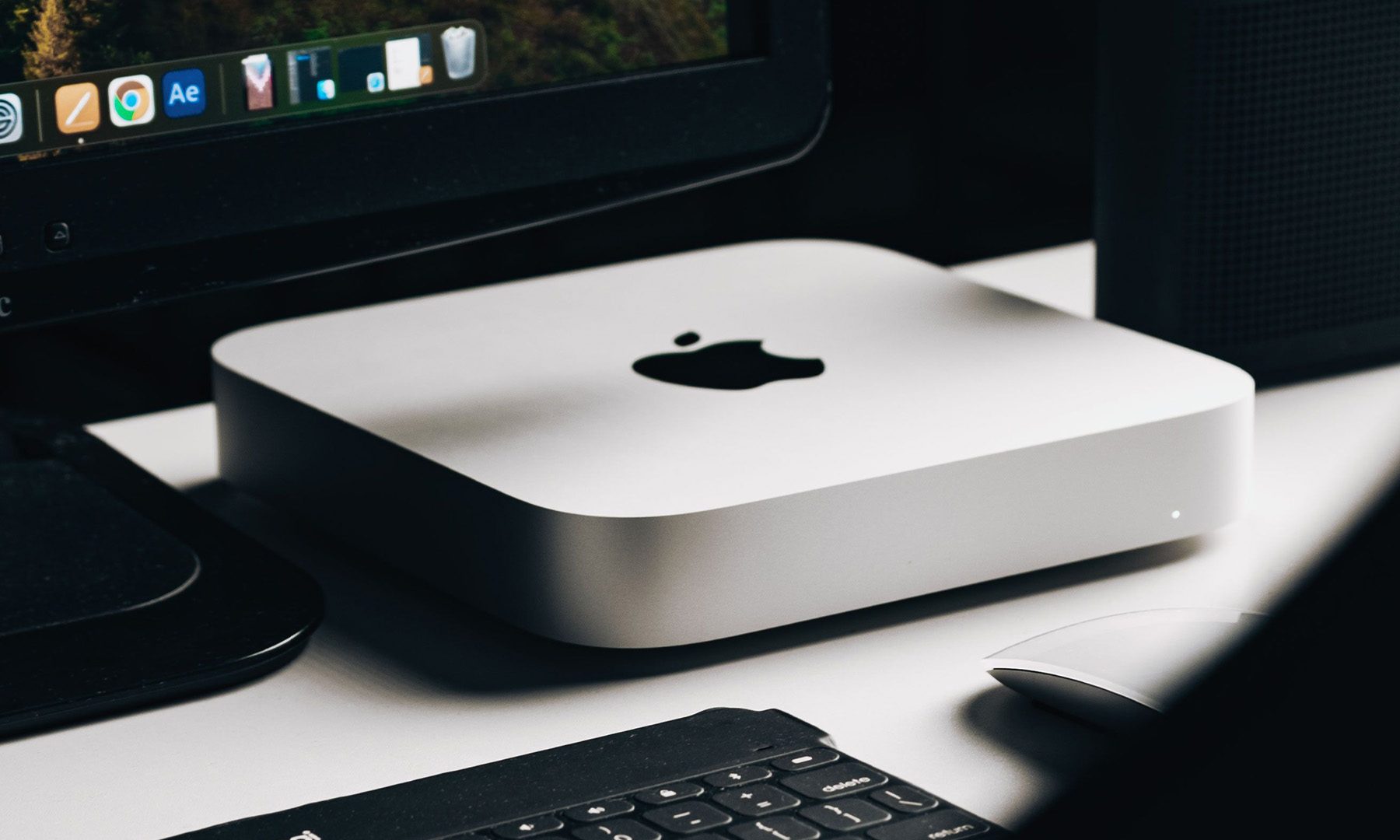
A few days ago, Apple announced an ugly mid-cycle price hike, blaming the worsening-by-the-day memory crisis. According to the Financial Times, the company is now lobbying the government for approval to buy memory chips from a Chinese company. 

The company in question is CXMT, a Chinese chipmaker that the Pentagon added to its Chinese Military Company blacklist for alleged ties to the Chinese army.

Read more
As iPads get pricier, Motorola’s Pad 70 Pro arrives as a solid option… just not for US buyers yet
Great specs, a stylus in the box, and no US launch date: the Moto Pad 70 Pro sounds both impressive and disappointing.
Computer, Electronics, Laptop

If you don’t know about Apple’s recent price hike, which affected all the products in its lineup except the iPhone and Apple Watch (for now), you’ve got to be living under some sort of a rock. The revision made all the iPads much more expensive. 

Motorola, however, has just launched a 13-inch tablet that actually sounds good on paper. It’s called the Moto Pad 70 Pro, and it costs around $440 for the baseline model. The catch, however, is that the device isn’t available in the US yet. 

Read more