1. Home
  2. Emerging Tech
  3. News

Boeing’s new Starliner will shuttle astronauts and private citizens into space

Add as a preferred source on Google

Say hello to the CST-100 Starliner, the newly revealed name for Boeing’s future commercial crew transportation spacecraft. Still in the research and development phase, the spacecraft is being designed with a dual purpose of shuttling NASA astronauts to the space station and also bringing paid customers on low-Earth orbit excursions so they can experience weightlessness. Much of the processing and testing is being conducted at NASA’s Kennedy Space Center in Florida using facilities once set aside for the now defunct space shuttle program.

The Starliner is funded in part by NASA, which awarded contracts to both Boeing and SpaceX for a launch system and shuttle craft to transport astronauts from the United States to the International Space Station. NASA intends to use the shuttle to bring additional crew members to the space station, doubling the amount of research time available to astronauts. These additional 80 hours of weekly research time could prove valuable to NASA as continues to prepare for a deep space journey to Mars in the 2030’s.

Recommended Videos

Boeing is starting to assemble its first CST-100 module and will begin a series of tests that’ll end in a 2017 with a pad abort test. This series of  experiments will test the pre-launch capabilities of the spacecraft. These launch tests and upcoming future launches will be conducted at Cape Canaveral, Florida using an Atlas V rocket to carry the spacecraft into orbit. As work on the spacecraft continues, Boeing also is building a crew access tower near the launch pad to provide a place for astronauts and ground support teams during pre-launch preparations.

As part of the NASA program, both the Boeing Starliner and the SpaceX Crew Dragon must first complete an orbital mission without a crew. This flight will be followed by a second test mission with astronauts in a manned flight that will demonstrate the craft’s capabilities. Once both missions have been completed successfully, the spacecraft will begin carrying a full crew of four astronauts to the space station on a regular basis. These flights will mark the return of astronauts and manned flight missions to Florida’s Space Coast.

Kelly Hodgkins
Kelly's been writing online for ten years, working at Gizmodo, TUAW, and BGR among others. Living near the White Mountains of…
Yet another study says AI is bad for elections, and the rabbit hole gets worse
AI may be an election bomb waiting for someone to light the fuse
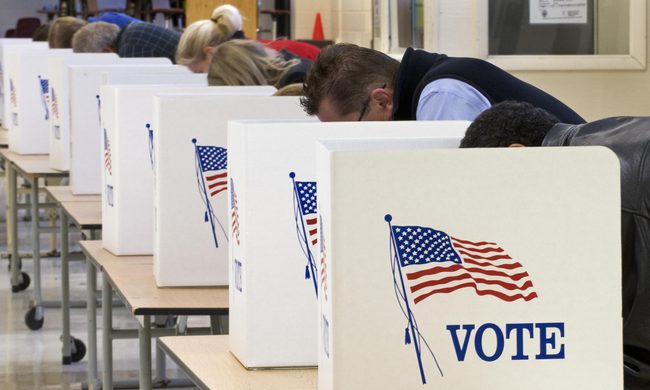
Voters cast their ballots on Election Day

Another election, another study has concluded that asking an AI chatbot for political guidance is a spectacularly bad idea. Research conducted during Hungary’s 2026 parliamentary election found that ChatGPT and Google Gemini offered not just inaccurate but also inconsistent and unreliable voting advice. The chatbots misclassified voter profiles, overlooked relevant parties, recommended parties absent from the ballot, and sometimes produced materially different answers when given the same information repeatedly.

AI keeps failing the voter test

Read more
Samsung’s humanoid robot ambitions are real, but factories come first
Samsung’s new robotics division has humanoids in its sights, although its immediate business is far more practical factory automation
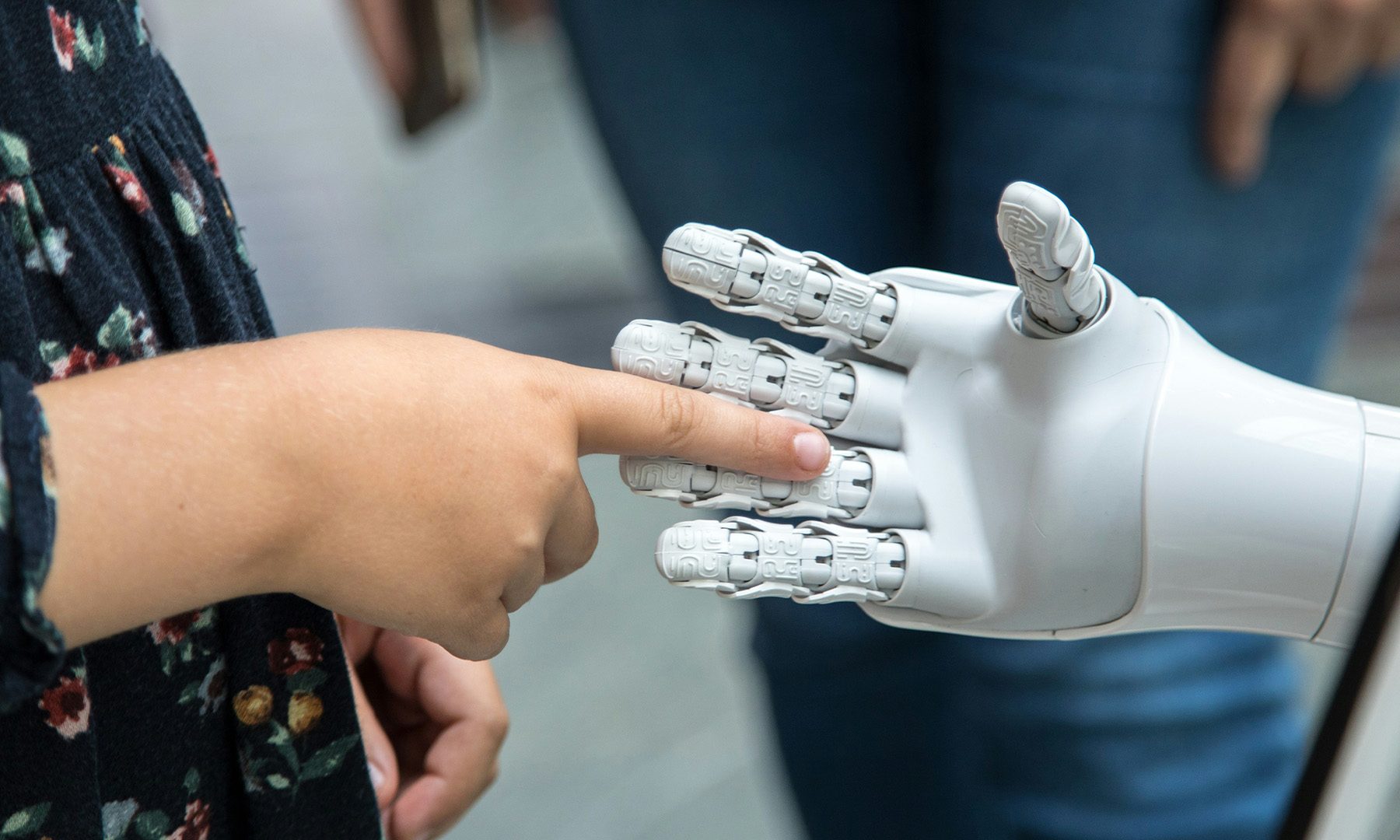
Robot Touch Human Finger

Samsung wants a place in the humanoid race, but its new robotics push begins with machines built for factories rather than homes.

The CEO-led RX robotics division will initially focus on manufacturing robots. Samsung has separately identified humanoids as a priority, although it hasn’t announced a commercial model or explained where one fits into the division’s immediate plans.

Read more
The future of AI may depend on this one behind-the-scenes change
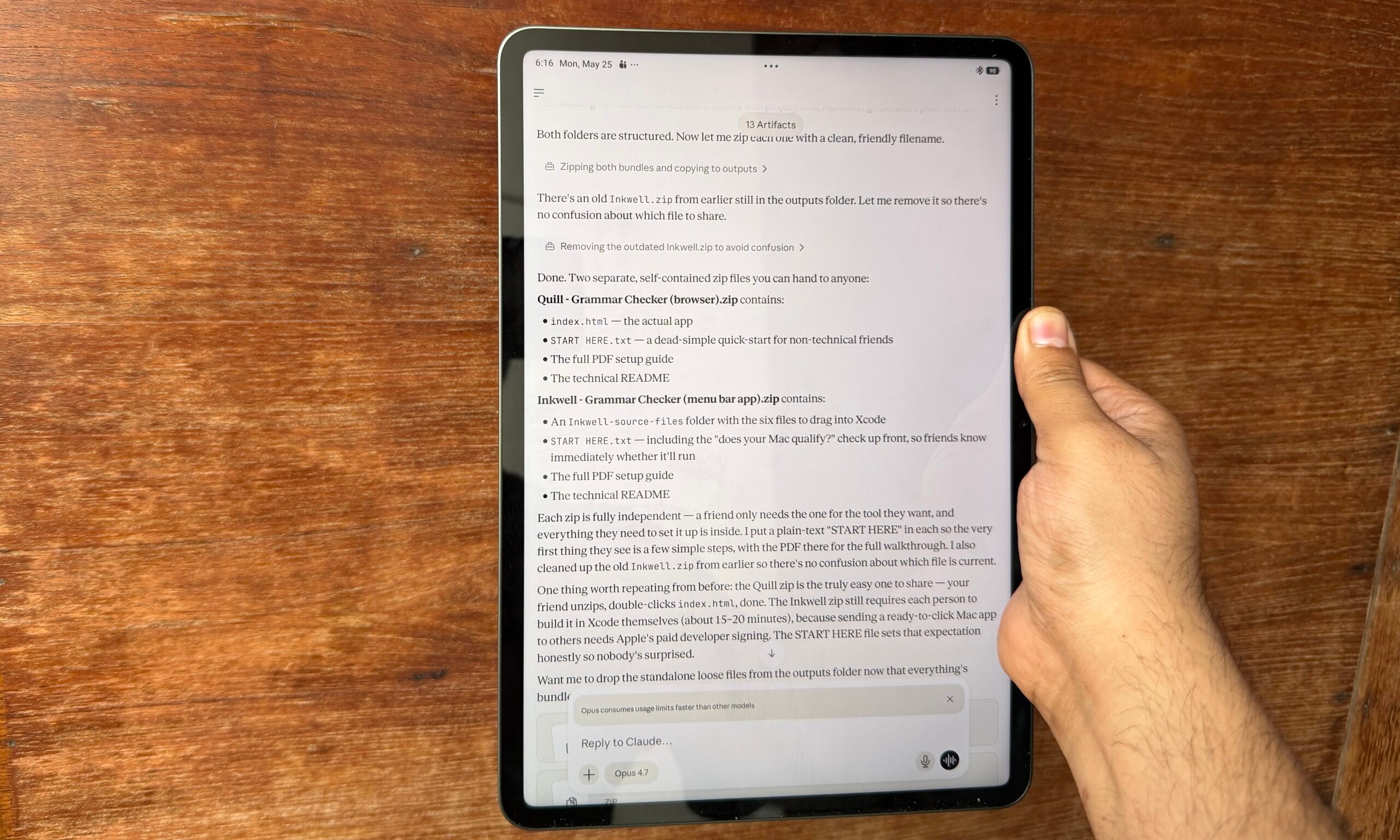
Running Claude on Android.

Whenever a new AI model arrives, it's easy to get caught up in the bells and whistles. We talk about how much smarter it is, how quickly it answers questions, or how realistic its images have become. But here's the thing: none of that matters much if the AI can't reliably work with the apps and services people use every day.

That's why an upcoming update to the Model Context Protocol (MCP) caught my attention. It isn't a new chatbot or a fancy AI model. In fact, most people will never even know it's happening. But it could quietly make the AI ecosystem a lot healthier. If you've never heard of MCP before, don't worry. Think of it as a shared language that lets AI assistants safely talk to apps like Gmail, Slack, calendars, databases, and countless other services. Instead of every company inventing its own way to make those connections, MCP gives everyone a common rulebook.

Read more