  1. Home
  2. Cars
  3. News

Ford’s 2016 F-150 will be the first of many models to use Micromill aluminum technology

Add as a preferred source on Google

Ford has announced that its partnership with Alcoa, Inc. will yield use of Micromill aluminum technology in future vehicles. The 2016 Ford F-150 will be the first model to use the advanced construction material commercially.

Micromill produces an aluminum alloy that is 40 percent more formable than present automotive-grade aluminum. The benefits to its malleable nature are that it can be shaped into more intricate forms like the inside of door panels and fenders. Not only is it easier to mold, it’s also easier to produce and is stronger than regular aluminum, meaning a thinner sheet of Micromill won’t compromise exterior panel integrity (it won’t dent more than a thicker sheet of standard aluminum).

Recommended Videos

‘‘Light-weighting enables us to design vehicles with great customer attributes — like the F-150, which can tow more, haul more, accelerate quicker and stop faster than the previous F-150, and is more fuel-efficient than ever,” said Ford Group vice president and chief technical officer Raj Nair. He went on to mention that Micromill aluminum will be applied to the next “several years on a range of vehicle components and future platforms.”

Obviously the use of lighter, more adaptable aluminum means Ford models will continue to shed weight beyond what Ford has already seen in switching from steel (the 2015 Ford F-150 lost 700 pounds during its transition).

While ultra high-end performance models like the 2017 Ford GT will continue to look to carbon fiber composites for durability and lightness, future Mustangs and hot hatchbacks like the Focus RS could switch to Micromill aluminum and benefit greatly from improved power-to-weight ratios. That will also help Ford slide under the radar of the EPA, which will continue to demand improved fuel economy.

The use of Micromill aluminum alloy on some components of the 2016 F-150 starts in the fourth quarter of 2015, with additional parts transitioning to the new material in 2016.

Miles Branman
Miles Branman doesn't need sustenance; he needs cars. While the gearhead gene wasn't strong in his own family, Miles…
This sleek Chinese EV pairs supercar styling with three AI brains
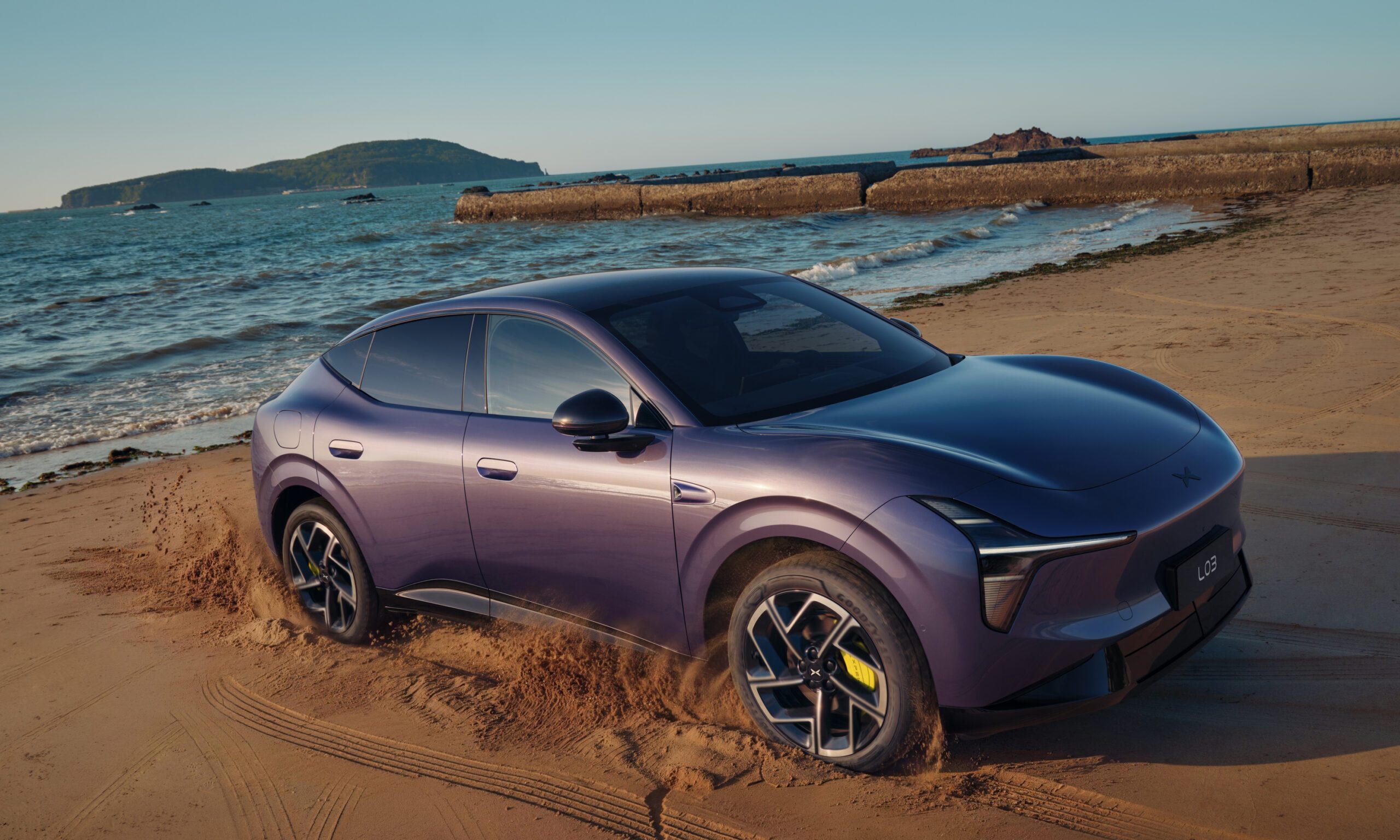
The Xpeng L03 is an AI supercomputer disguised as a stylish family SUV
Xpeng L03

Xpeng’s latest electric vehicle carries enough processing power to make the term "smart car" actually sound more realistic than it actually is. The new Xpeng L03 debuted simultaneously in Europe and China on July 16, with the company presenting it across 65 markets. Available as a fully electric vehicle and an L03 Power X range-extender, the coupe-SUV is Xpeng’s most internationally focused model so far. Market-specific prices and sales dates remain unannounced.

Three AI chips and Google Maps built right in

Read more
A new sodium battery posts wild four-minute charging numbers, but don’t expect it in an EV yet
The breakthrough could improve fast charging and battery life, but the study hasn’t demonstrated those results in a production-sized pack
EV Charger

A new sodium-metal battery has posted a charging number that makes today’s EVs look painfully slow. In laboratory testing, the cell operated at a 15C rate, equivalent to completing a charge or discharge in roughly four minutes.

That doesn’t mean researchers plugged in an electric car and watched it fill up before the driver finished buying coffee. The result came from a small experimental cell using a new quasi-solid electrolyte, while the larger pouch-cell prototype delivered far less dramatic performance.

Read more
The Apple Car may be dead, but it became the foundation of Apple Intelligence
A decade of work on a canceled car project reportedly laid the groundwork for Apple Intelligence.
Apple Intelligence in Apple Car

The Apple Car may have never left the garage, but it apparently gave birth to Apple's AI ambitions. According to Bloomberg's Mark Gurman, Apple's canceled autonomous vehicle project, one that consumed more than a decade of work and over $10 billion before being scrapped in 2024, ended up laying the technological foundation for Apple Intelligence. In a rather ironic twist, one of Apple's most expensive failures may also become one of its most important long-term investments.

The Apple Car forced Apple to think like an AI company

Read more