1. Home
  2. Computing
  3. News

Western Digital buys SanDisk for $19 billion

Add as a preferred source on Google

A deal has been finalized that will see Western Digital buy flash memory manufacturer SanDisk for $19 billion in cash and stock. As the storage industry attempts to reorient itself with an eye on the future, the acquisition seems like a very canny move on the part of the hard disk giant.

Micron Technology is thought to have been Western Digital’s greatest rival in securing the purchase of SanDisk, according to a report from The Wall Street Journal. Rumors of the sale helped boost the value of shares in SanDisk to $86.50 as of the time of the deal, up from less than $60 before reports began to circulate.

Recommended Videos

Western Digital’s headquarters in Irvine will continue to act as home base for the company, and CEO Steve Milligan is expected to remain at the head of the table. Meanwhile, SanDisk CEO Sanjay Mehrotra will join the ranks of the Western Digital board.

For Western Digital, this move represents an awareness of the current state of the hard drive industry. This form of storage has seen profits slip in recent years, as the success of tablets and smartphones has led to other alternatives being researched and implemented on a far larger scale.

SanDisk’s knack for NAND storage likely played a big role in the company’s interest in an acquisition. This technology seems set to be a major influence on the immediate future of data storage thanks to its implementation in solid state drives, and SanDisk is ranked as its third biggest manufacturer, according to Tech Spot.

We’re certainly seeing a changeable time for the data storage industry, and it remains to be seen whether this deal will help Western Digital defend its position. However, there’s definitely a lot to be said for a company looking to the future with a big-money deal of this nature.

Brad Jones
Brad is an English-born writer currently splitting his time between Edinburgh and Pennsylvania. You can find him on Twitter…
South Korea wants to give every citizen free, unlimited access to its own AI chatbot
The government-backed service could turn generative AI into public infrastructure instead of another monthly subscription
Electronics, Mobile Phone, Phone

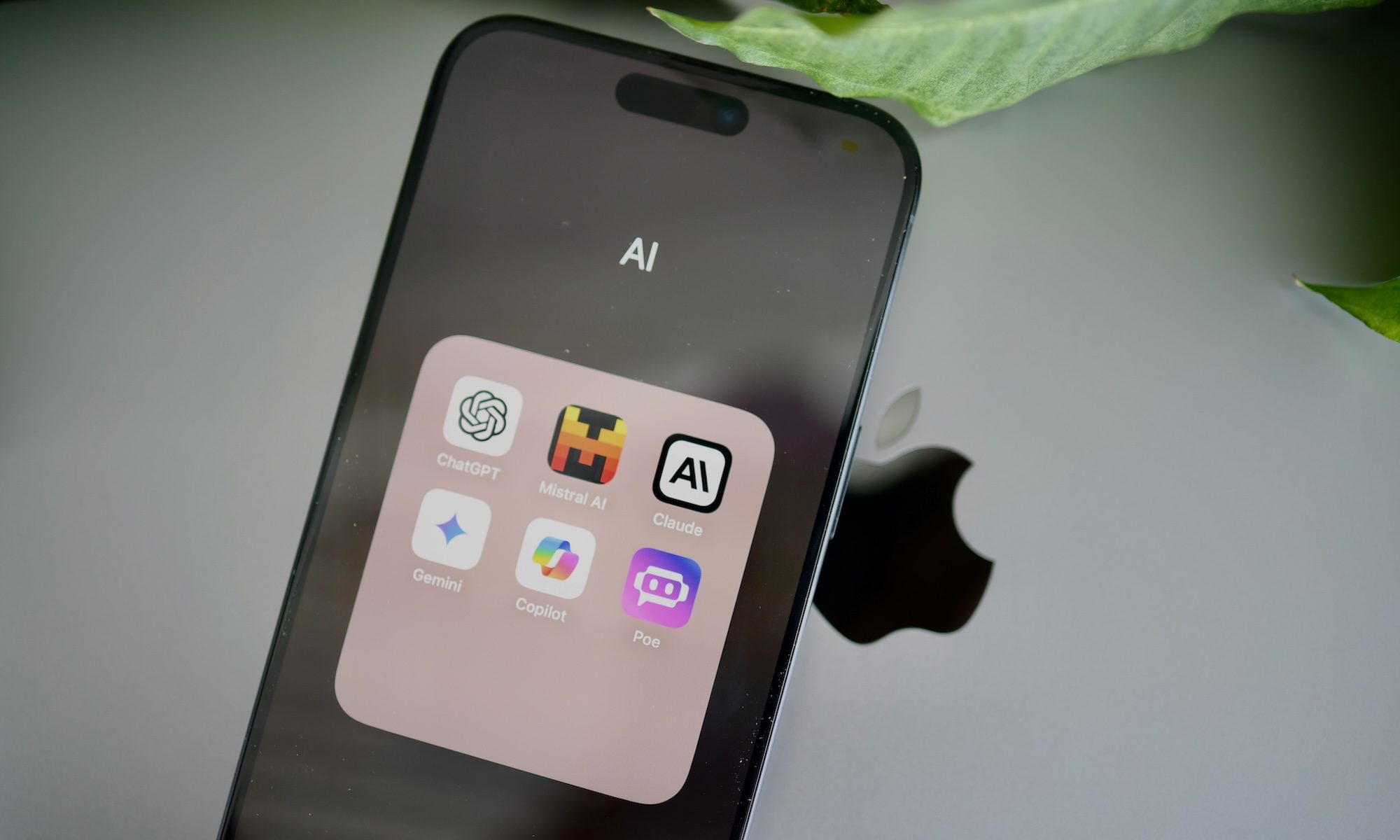
South Korea wants to give every citizen free access to an AI chatbot with no usage limits. That puts the technology closer to a public utility than another premium service demanding a monthly subscription.

The Ministry of Science and ICT announced the AI for Everyone project on July 13. Private companies will build the platform around locally developed models, while a separate AI agent will help people navigate government services. It’s a more practical job than generating emails or settling arguments nobody wanted to research themselves.

Read more
Falling in love with a chatbot is now off limits for kids in China
The crackdown targets emotional AI relationships as regulators worry about the country's record low birthrate.
Replika AI companion app on an iPhone in hand

Ever since AI chatbots arrived on the scene, there has been one aspect that has worried lawmakers and experts a lot: humans forming emotional connections with chatbots. There have been plenty of cases where over-reliance on these AI companions or partners has resulted in medical emergencies, lost lives, and triggered multiple lawsuits against the likes of OpenAI and Meta.

China cracks down on AI companion apps

Read more
Russian hackers keep finding their way into critical networks through neglected routers
A multinational warning says outdated firmware, weak passwords, and insecure settings are giving state-backed attackers an easy opening
A Wi-Fi router next to a laptop.

Russian state-backed hackers have spent more than a decade exploiting a stubborn weakness in critical infrastructure networks. Organizations are still leaving poorly configured and outdated routers exposed to the internet.

In a joint cybersecurity advisory, the NSA, CISA, FBI, and international partners warn that hackers linked to Center 16 of Russia’s Federal Security Service are continuing to target vulnerable networking equipment. Energy, healthcare, and government networks are among the sectors facing the highest risk.

Read more