1. Home
  2. Emerging Tech
  3. News

Walmart joins Amazon in race to use drones for home delivery

Add as a preferred source on Google

As Amazon continues to  tinker with its Prime Air drone with a view to one day using the machine to deliver packages to customers, Walmart has said it too wants to use the technology for the same purpose.

In a request made to the Federal Aviation Administration (FAA) on Monday, Walmart said that besides home delivery it also wanted to use drones for other purposes such as checking warehouse inventories, Reuters reported.

Recommended Videos

Like Amazon, Walmart is already conducting indoor drone tests, though instead of developing its own flying machine, the retail giant is using Phantom 3 and S900 copters built by China-based drone maker DJI.

Commercial use of drones is currently banned in the U.S., though more than 2,000 companies have so far been granted special FAA permits to use the remotely controlled machines for their work. The agency is currently devising a set of regulations that’s expected to pave the way for the widespread use of drone technology in a commercial environment, though it could be another eight months before they’re published.

At this stage Walmart is seeking permission to conduct drone tests outdoors, with a view to launching a service once regulations permit such use. However, with the FAA’s initial regulations expected to demand that drones must be kept in the operator’s line of sight at all times, a home-delivery system that uses autonomously operated copters flying over fairly long distances could still be several years away. That said, both Walmart and Amazon are clearly making moves toward the goal of one day transporting packages to customers living close to locations operated by each company.

And while Amazon has been exploring the idea of drone-based deliveries longer than Walmart, the latter currently has a distinct advantage in that it has a vast network of stores and distribution centers already in place.

“There is a Walmart within five miles of 70 percent of the U.S. population, which creates some unique and interesting possibilities for serving customers with drones,” Walmart spokesperson Dan Toporek told Reuters, adding, “Drones have a lot of potential to further connect our vast network of stores, distribution centers, fulfillment centers, and transportation fleet.”


Trevor Mogg
Contributing Editor
Not so many moons ago, Trevor moved from one tea-loving island nation that drives on the left (Britain) to another (Japan)…
Yet another study says AI is bad for elections, and the rabbit hole gets worse
AI may be an election bomb waiting for someone to light the fuse
Voters cast their ballots on Election Day

Another election, another study has concluded that asking an AI chatbot for political guidance is a spectacularly bad idea. Research conducted during Hungary’s 2026 parliamentary election found that ChatGPT and Google Gemini offered not just inaccurate but also inconsistent and unreliable voting advice. The chatbots misclassified voter profiles, overlooked relevant parties, recommended parties absent from the ballot, and sometimes produced materially different answers when given the same information repeatedly.

AI keeps failing the voter test

Read more
Samsung’s humanoid robot ambitions are real, but factories come first
Samsung’s new robotics division has humanoids in its sights, although its immediate business is far more practical factory automation
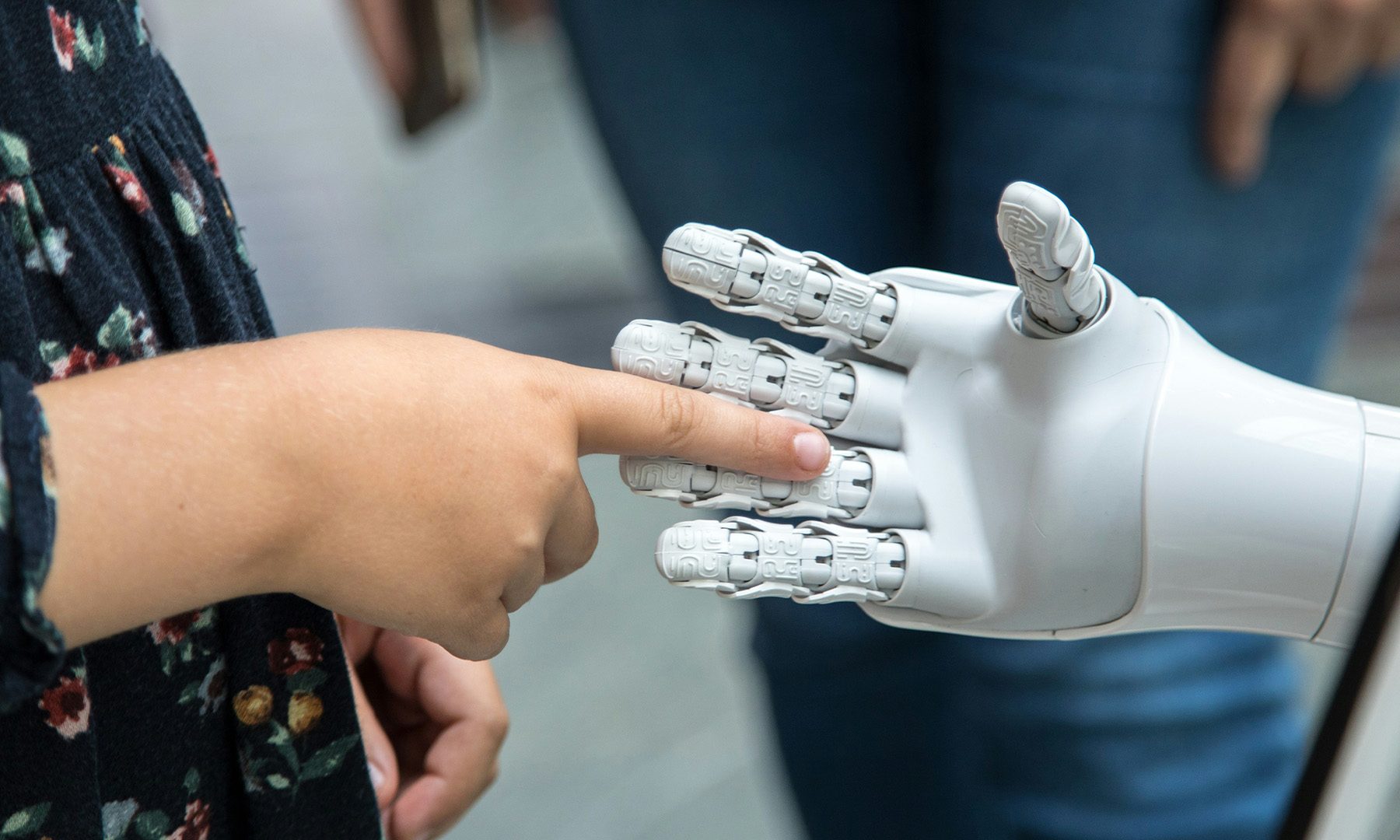
Robot Touch Human Finger

Samsung wants a place in the humanoid race, but its new robotics push begins with machines built for factories rather than homes.

The CEO-led RX robotics division will initially focus on manufacturing robots. Samsung has separately identified humanoids as a priority, although it hasn’t announced a commercial model or explained where one fits into the division’s immediate plans.

Read more
The future of AI may depend on this one behind-the-scenes change
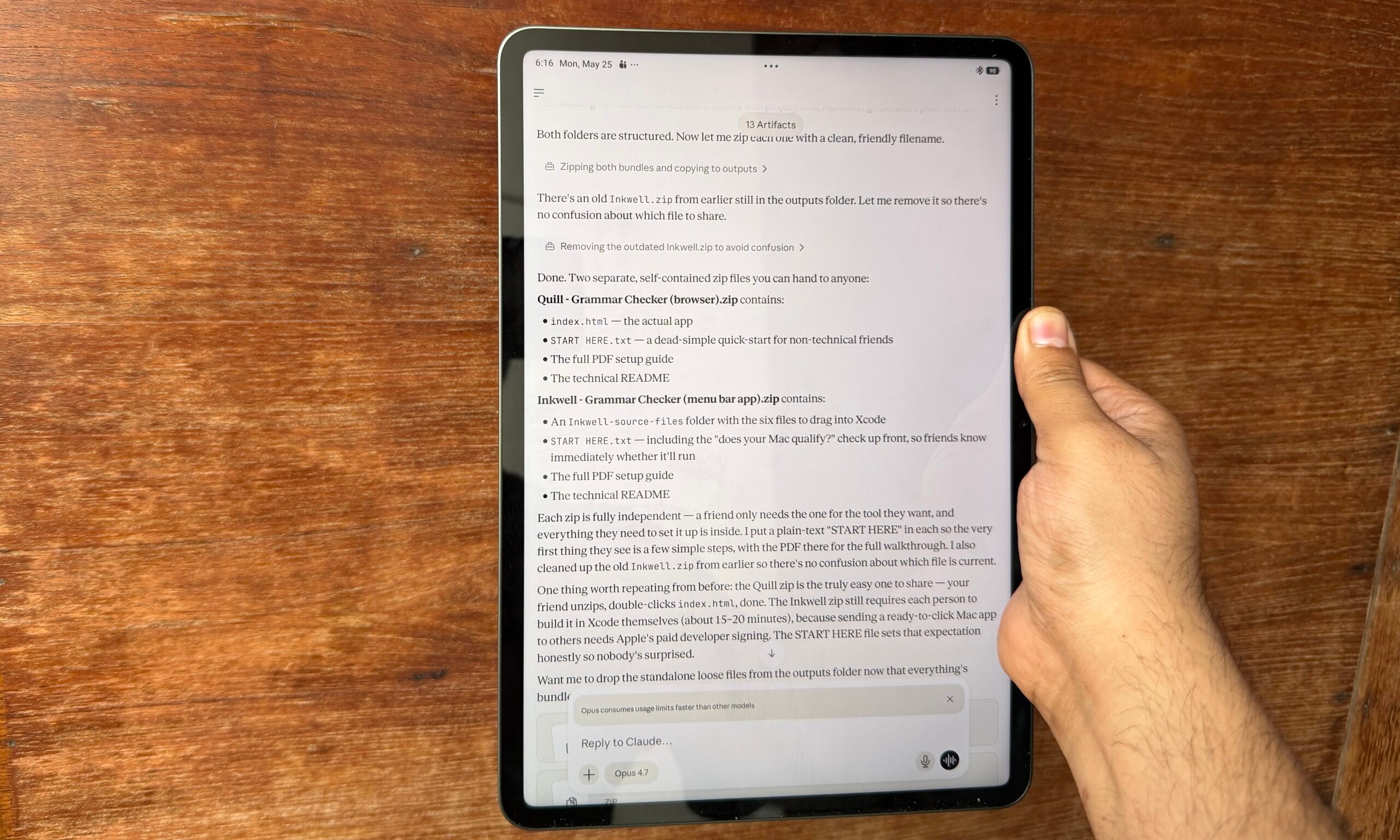
Running Claude on Android.

Whenever a new AI model arrives, it's easy to get caught up in the bells and whistles. We talk about how much smarter it is, how quickly it answers questions, or how realistic its images have become. But here's the thing: none of that matters much if the AI can't reliably work with the apps and services people use every day.

That's why an upcoming update to the Model Context Protocol (MCP) caught my attention. It isn't a new chatbot or a fancy AI model. In fact, most people will never even know it's happening. But it could quietly make the AI ecosystem a lot healthier. If you've never heard of MCP before, don't worry. Think of it as a shared language that lets AI assistants safely talk to apps like Gmail, Slack, calendars, databases, and countless other services. Instead of every company inventing its own way to make those connections, MCP gives everyone a common rulebook.

Read more