1. Home
  2. Emerging Tech
  3. News

Hoverboard bans: America’s three biggest airlines say no to the personal transporter

Add as a preferred source on Google

Airports across the U.S. and beyond could soon find themselves with a growing collection of hoverboards as an increasing number of airlines announce they won’t be letting the machine on their planes.

No, it’s not a move to prevent hoverboard-owning passengers causing chaos on flights by careering up and down the aisle on their self-balancing scooter. Instead, the airlines consider the boards – or more accurately, their lithium-ion batteries – as a fire hazard.

Recommended Videos

With the two-wheeled transporter set to be one of the holiday season’s biggest sellers, it’s possible that in the coming weeks there’ll be quite a few travelers rolling up to airport check-in desks on their newly acquired toy, unaware of the ban.

But take note, America’s three biggest airlines – United, Delta, and American – have all said that the transportation device will not be accepted as either carry-on or checked luggage, with other U.S. carriers, including Alaska Airlines, Hawaiian, and Jet Blue, also recently announcing a ban.

“Poorly labeled, powerful lithium-ion batteries powering hoverboards are the issue,” Delta said on Thursday, adding that after reviewing hoverboard product specifications, it’d found that “manufacturers do not consistently provide detail about the size or power of their lithium-ion batteries.”

The airline said the battery size and power often exceeded permitted levels for transportation on aircrafts, and that “while occurrences are uncommon, these batteries can spontaneously overheat and pose a fire hazard risk.”

Alaska Airlines, which also announced a hoverboard ban on Thursday, said, “As cool as they are, there’s one big problem: they are not safe to transport on an airplane….Internal short-circuits can occur with lithium-ion batteries, which can then lead to a ‘thermal runaway’ where the battery overheats and bursts into flame.”

Strong demand

With demand for the “hands-free Segway” suddenly so strong, there’s certainly plenty of money to be made. Manufacturers around the world are ramping up production, though it seems some makers are ignoring quality in a bid to keep costs down. Just last week it was revealed that the UK authorities have impounded almost 90 percent of 17,000 boards shipped to the country in the last six weeks over concerns that they could be a fire hazard.

A National Trading Standards’ spokesperson said customs officials had seen “a significant spike in the number of unsafe hoverboards arriving at national entry points in recent weeks.” Many of the problems center on the machine’s plug, cabling, charger, or battery.

Trevor Mogg
Contributing Editor
Not so many moons ago, Trevor moved from one tea-loving island nation that drives on the left (Britain) to another (Japan)…
Yet another study says AI is bad for elections, and the rabbit hole gets worse
AI may be an election bomb waiting for someone to light the fuse
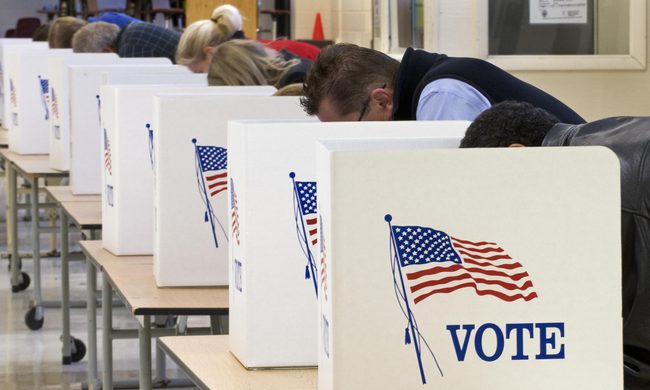
Voters cast their ballots on Election Day

Another election, another study has concluded that asking an AI chatbot for political guidance is a spectacularly bad idea. Research conducted during Hungary’s 2026 parliamentary election found that ChatGPT and Google Gemini offered not just inaccurate but also inconsistent and unreliable voting advice. The chatbots misclassified voter profiles, overlooked relevant parties, recommended parties absent from the ballot, and sometimes produced materially different answers when given the same information repeatedly.

AI keeps failing the voter test

Read more
Samsung’s humanoid robot ambitions are real, but factories come first
Samsung’s new robotics division has humanoids in its sights, although its immediate business is far more practical factory automation
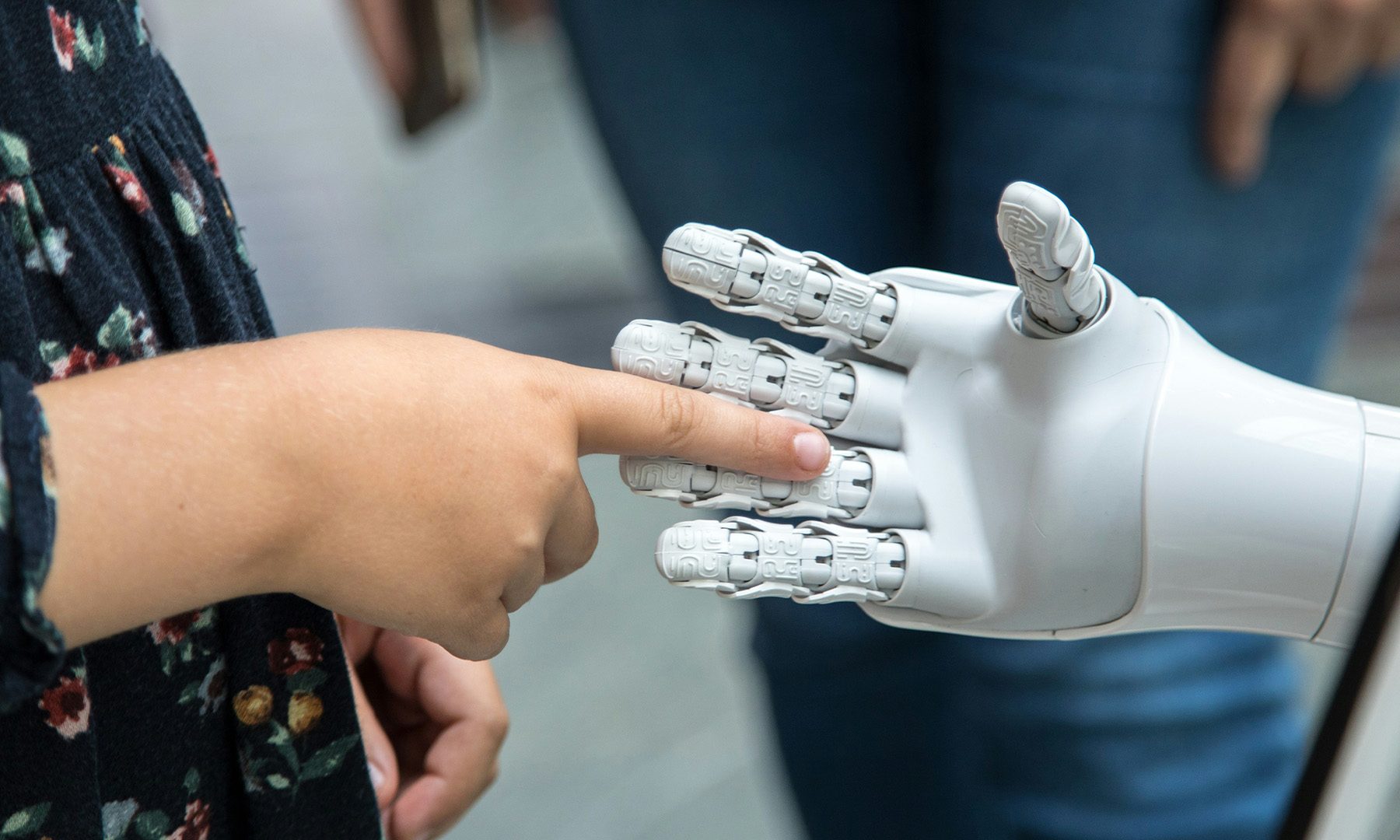
Robot Touch Human Finger

Samsung wants a place in the humanoid race, but its new robotics push begins with machines built for factories rather than homes.

The CEO-led RX robotics division will initially focus on manufacturing robots. Samsung has separately identified humanoids as a priority, although it hasn’t announced a commercial model or explained where one fits into the division’s immediate plans.

Read more
The future of AI may depend on this one behind-the-scenes change
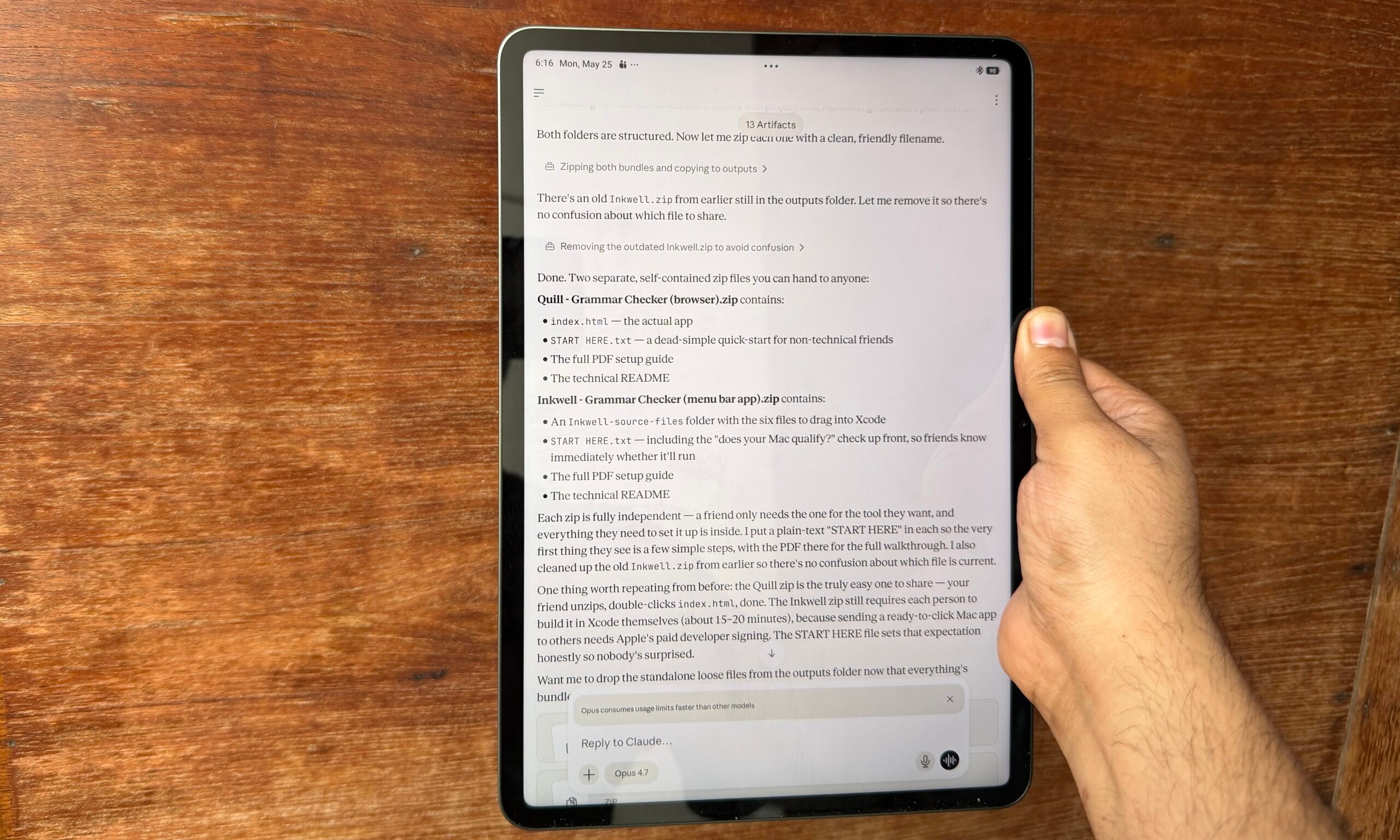
Running Claude on Android.

Whenever a new AI model arrives, it's easy to get caught up in the bells and whistles. We talk about how much smarter it is, how quickly it answers questions, or how realistic its images have become. But here's the thing: none of that matters much if the AI can't reliably work with the apps and services people use every day.

That's why an upcoming update to the Model Context Protocol (MCP) caught my attention. It isn't a new chatbot or a fancy AI model. In fact, most people will never even know it's happening. But it could quietly make the AI ecosystem a lot healthier. If you've never heard of MCP before, don't worry. Think of it as a shared language that lets AI assistants safely talk to apps like Gmail, Slack, calendars, databases, and countless other services. Instead of every company inventing its own way to make those connections, MCP gives everyone a common rulebook.

Read more