The time for snow sports is here. Despite an atypical but distinct lack of snow in certain areas of the United States, there are still spaces out there knee deep with white powder — and we don’t mean the Colombian kind. If you’re near one of these lucky locations and plan to hit the slopes this season, it might be time to upgrade your gear. These days anything without a sensor is considered pretty dumb, however.
Modern skis can now track descents and helmets can record high-definition video, and with the right set of goggles, you can turn your descent into a game that only benefits from light-up bindings. Below are a few of our favorite pieces of smart gear for the slopes, whether you’re into skiing or snowboarding.
Madshus Connected Skis
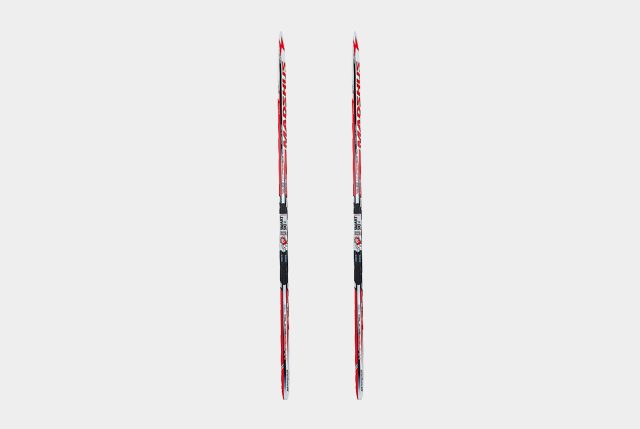
Madhaus has been making cross country skis since 1906, and was the first to read the writing on the wall and release a pair of connected cross-country skis. The skis use triaxial carbon construction and come with an embedded RFID chip that allows you to follow your skis through production and beyond. However, before you even get your skis, the Madshus Empower iOS and Android app can help you figure out which ones are best for you. Once you input your measurements and skills, the app will match the ski length, flex, and camber height to your weight, height, and ability level. Keep in mind, the tech is helpful for those with more than one pair of skis, as you can monitor all Madhaus skis in your collection. More importantly, the skis allow you to track your run metrics, including distance, speed, and temperature. The app automatically creates a log, too, and Empower monitors the skis’ condition so you always know your wax status.
PIQ Ski Boot Sensor
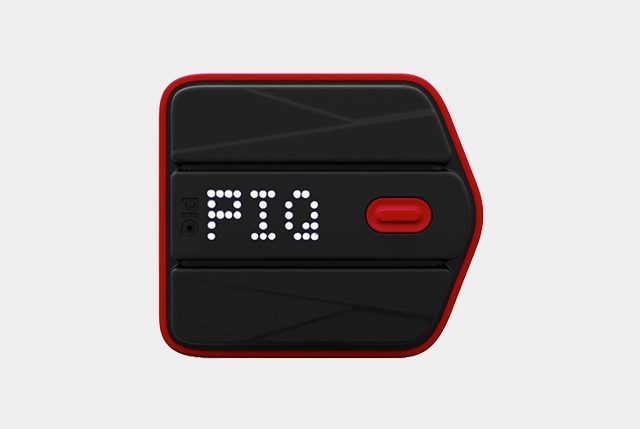
PIQ has one of the best movement tracking sensors available, and we’ve followed its evolution since the May release. It’s small, lightweight, and the company is currently integrating it with a wealth of existing sports giants. In this case, the company has combined its might with Rossignol, a storied name in winter sports. Their app now shows your turns, jumps, and all the stats we expect — speed, distance, etc. — which you can then compare with other users on the same run and distant runs. It could grow into a Strava-like level of competitiveness. The Rossignol ski kit is up for pre-order, but if you already have the sensor, you can just order the strap for $50.
Crash Pads Body Armor
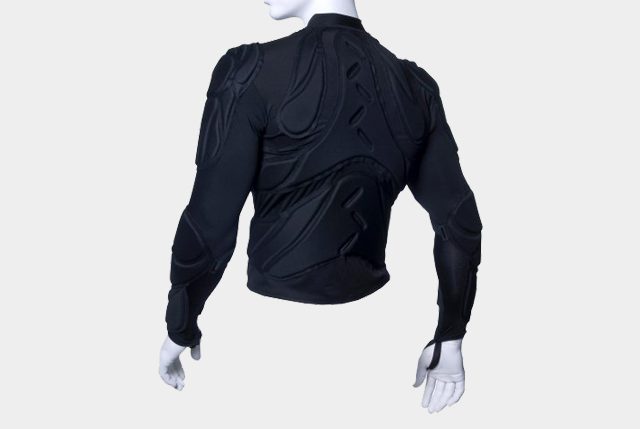
Crash Pads Co. has a selection of some badass gear. The 6600 long sleeve front-zip covers your back, sides, kidneys, collarbone, chest, forearms, elbows, and shoulders with flame-bonded high-density foam instead of plastic. Each piece comes lined with moisture-management fabric, which means they’re not too uncomfortable with sweat or melting snow. Crash Pads are good for pretty much anything that’s less punishing with body armor, though, making them ideal for stunt work or sports such as paintball. Just add a pair of pants or shorts for full body protection.
Dainese D-Air Ski Airbag (Team Issue)
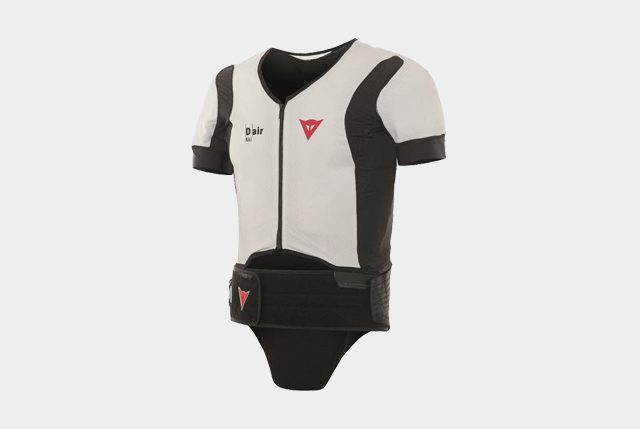
Most winter sports enthusiasts recognize Dainese as one of the go-to for body armor, likely because the company remains known for introducing one of the first spine protection systems back in ’95. Its newest offering is a short sleeve shirt that hides a smart skier’s airbag, as opposed to the full suit the company makes for motorcyclists. When a skier falls, the D-air Ski system covers collar bones, the chest, and shoulders with impact protection. Over the course of five years, Dainese studied the falls of the best skiers in the world, and continues to hone its airbag deployment algorithm to a fine edge. An airbag system is perfect if you want to start learning tricks while staying moderately unbruised. For now, it’s team-issue only, and may take a few years to hit the market. Note that this is different from an avalanche airbag, and won’t keep a wearer above the snow.
Xnowmates Foldable Boots
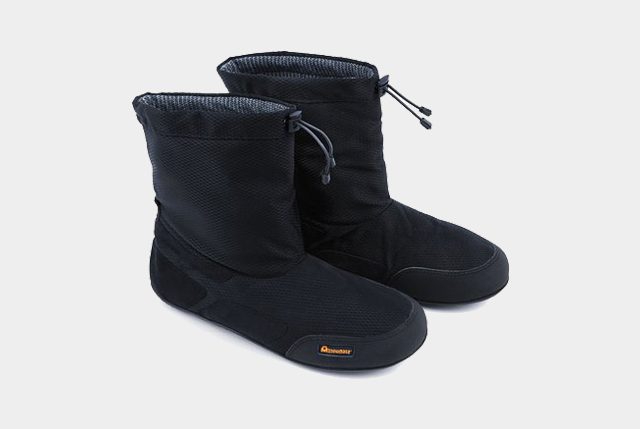
These Spanish-made booties aren’t the kind that attach to your skis, but rather regular boots designed with skiers (or boarders) in mind. They’re waterproof and warm, and very light given they weigh less than a pound. They also fold up and slip into a special Xnowbag that doubles as a strap for carrying ski boots. You can wear the Xnowmates to the slopes with the bag supporting your ski boots, swap over to the ski boots and put the foldable Xnowmates in the carry bag, which conveniently doubles as a crossbody. On breaks, you can then switch over to the Xnowmates to stay toasty and give your feet a break. They’d work just as well for anyone that spends hours outside in uncomfortable or drafty footwear.
RideOn Augmented Reality Goggles
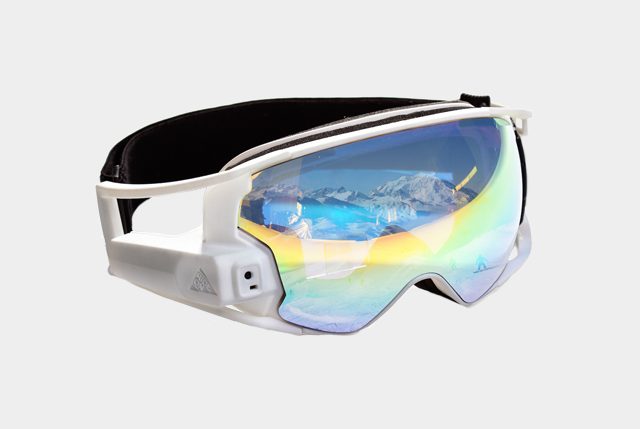
If SSX Tricky was your thing, you’ll love the RideOn goggles. As we pointed out before, they give a full augmented reality experience, overlaying data directly into your field of view as opposed to presenting you with a little pop-up window in the corner that takes your eyes off the action. Yes, they track speed, distance, jump height and airtime, but that’s all a bit expected by now. RideOn does more than other augmented reality setups for skiing, however, by making your runs into a game. Heading down the slope looks like a first-person video game as you hit checkpoints and aim for a high score.
The downside is we’re still waiting for the first orders to ship. The RideOn goggles were intitally funded on Indiegogo nearly a year ago and were due out in September. Alas, backers are still waiting, but when they do finally hit the market, they’ll no doubt make runs more fun.
Cerevo Smart Bindings
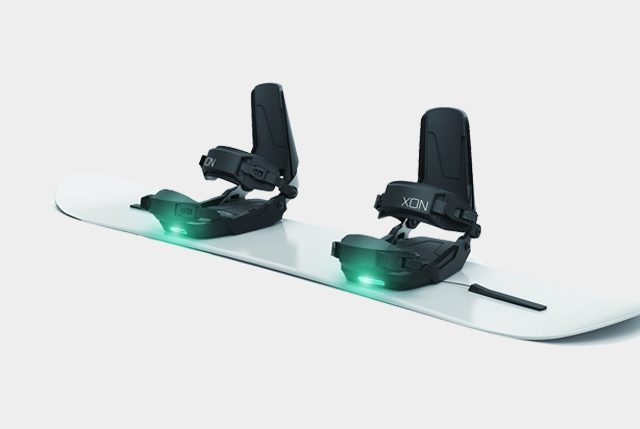
The recently-released Xon Snow-1 smart snowboard bindings offer the usual tracking metrics – speed, distance, acceleration, altitude, etc. The bindings even feature lights on the heel and toe to indicate your weight distribution, as well as make you easier to spot on the trail. What makes them stand out, however, is the load distribution and flex tracking. Pressure sensors pick up your weight distribution and on-board sensors monitor the board’s flex as you ride. Weight distribution and board flex aren’t touted metrics for other consumer wearables, so we have to give Cerevo a nod for thinking outside of the box. The lights are a nice touch, too.
Trace Action Sports Tracker
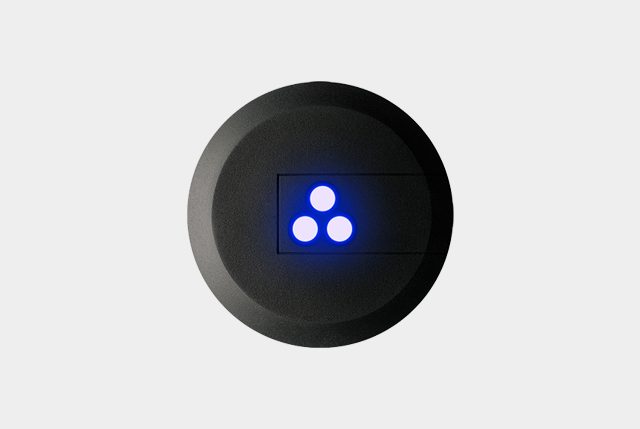
We like the idea of Trace’s little waterproof tracker. Grown from the roots of Alpine Relay, the free sport tracking app, Trace’s independent sensor module attaches to your board and gives you all the data you could want. The upside to detachable trackers is that they save your phone battery, while (arguably) providing more accurate measurements regarding your speed, airtime, route, angles, runs, roll, and pitch. Trace’s real specialty is the ability to overlay this data on a video of your run and automatically edit out the boring parts via its Web or mobile app. Essentially you can create a cool video without the arduous task of trimming footage after a long day in the cold. For those who spend the summer months surfing, Trace’s tracker is just as comprehensive for carving the waves as it is for the slopes.
Forcite Alpine Helmet
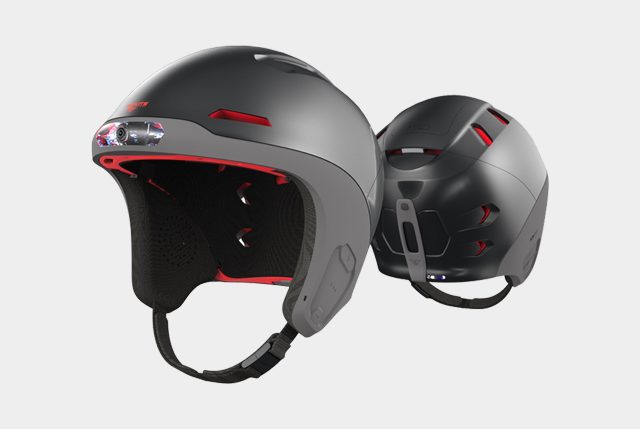
As far as headgear, the Forcite Smart Ski Helmet sets the bar pretty high. DT has followed its progress, and is happy to see it protects your head while combining tracking, HD video, direct helmet-to-helmet communication, and hand’s free calling into one protective package. The downside here is you may have to wait a while. The Forcite Alpine Kickstarter campaign didn’t reach its $200,000 goal, so let’s blame the Skully AR-1 for destroying our confidence in crowdfunding campaigns for smart helmets.