1. Home
  2. Computing
  3. News

Microsoft looks to kill old IE versions with latest patch snub

Add as a preferred source on Google

Microsoft warned that it would be ending long-term support for older versions of its Internet Explorer browser, only keeping the latest compatible versions on various operating systems up to standard. That roll-out has now begun with the latest update, which has seen a number of vulnerabilities left open on versions of IE 7, 8, 9 and 10.

Patches for Internet Explorer 11 and Edge went out on Tuesday this week, but most older versions of Internet Explorer did not receive the same update. If you’re using Vista, then IE9 is ok for now, but that’s the oldest version that has had any tweaks to it. 7 and 8 are the Wild West now with plenty of unperformed fixes that leave users vulnerable to attack.

Recommended Videos

Although Microsoft hasn’t been exact about which vulnerabilities and how many of them are still present on older versions of the browser — that would make things too easy for malware makers — it did fix as many as 13 different bugs in IE11 and Edge earlier this week, which means an equivalent number of vulnerabilities could be present in older versions of IE.

Related: Battle of the best browsers: Edge vs. Chrome vs. Firefox vs. Safari vs. Opera vs. IE

And as PCWorld explains, it won’t take much for nefarious actors to figure out what the patch has fixed and more importantly, what it has left unfixed in the older browsers. A quick look at code before and after the update should give them all the information they need to begin cracking open older browsers and releasing malware that directly attacks those vulnerabilities.

This is why it is so important to patch your browsers and update to newer standards if you can. It’s also the reason Microsoft started from scratch with its Edge browser, as it would not share any code with Internet Explorer and would therefore be immune to any bugs that were eventually found there.

Of course you’re free from all worries with Microsoft bugs if you’re using Chrome, Firefox or some other alternative, but they have their own vulnerabilities to worry about.

Jon Martindale
Jon Martindale covers how to guides, best-of lists, and explainers to help everyone understand the hottest new hardware and…
TSMC might set up a price hike that could come straight for your next phone, laptop, or tablet
Here's what TSMC's rumored 10% chip price increase actually means in dollar terms, and why your next phone or laptop could end up costing more.
TSMC Fab

My wallet flinched the second I saw the words "TSMC" and "price increase" in the same headline, and honestly, yours should too.

Turns out the company behind the silicon powering basically every flagship device out there, including Apple’s A-series and Qualcomm’s Snapdragon processors, is reportedly about to make all of it a little pricier.

Read more
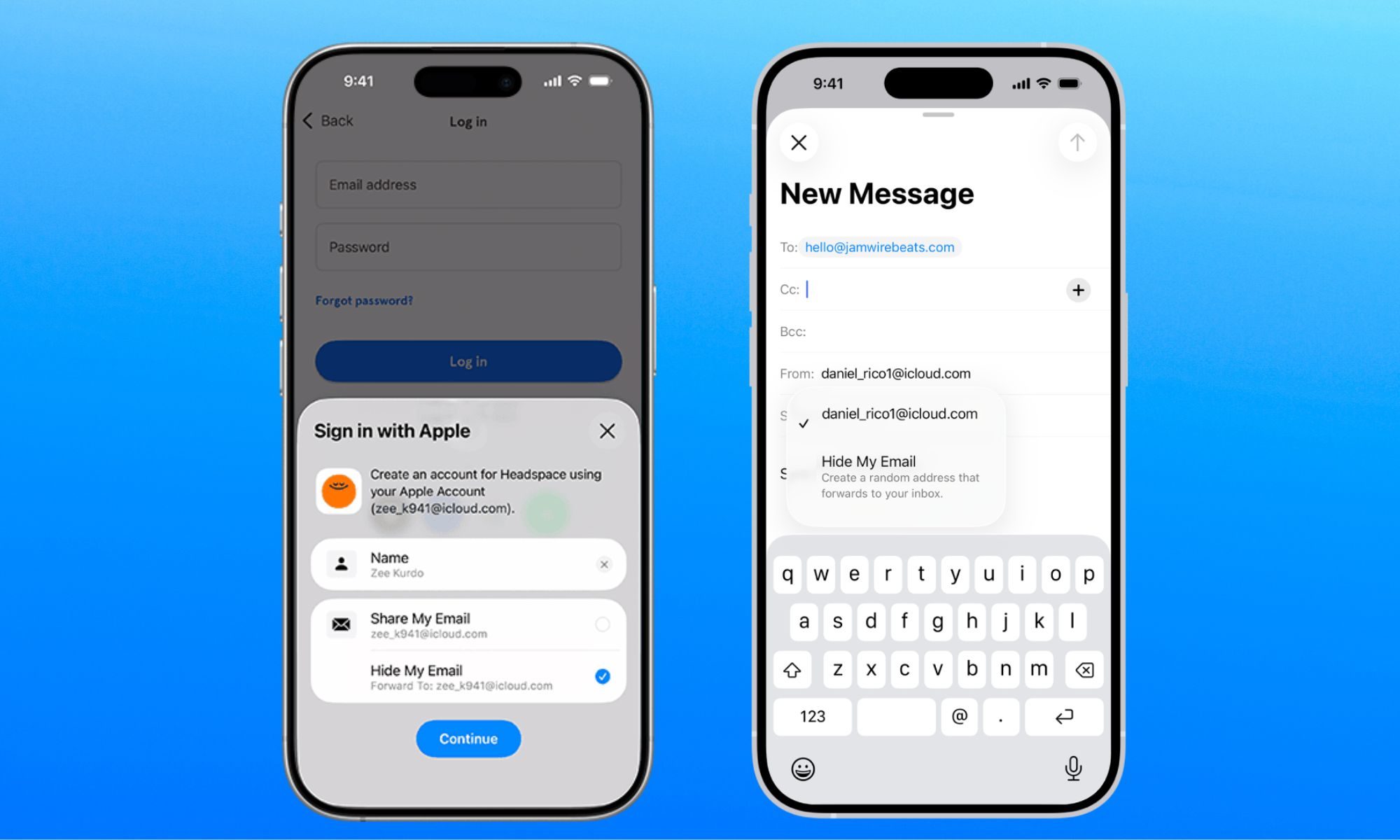
Apple fixes Hide My Email bug that exposed users’ real email addresses
Here's how Apple's Hide My Email flaw leaked real addresses for over a year, and why it only got fixed once the story went public.
apple-merging-sign-in-with-apple-hide-my-email-icloud+

Turns out the "Hide" part of Hide My Email wasn't doing its job quite as advertised, something that I covered early in July. Security researcher Tyler Murphy reported the flaw in June 2025, but despite Apple claiming it was resolved in March 2026, independent tests confirmed it remained exploitable, at least until July 3, 2026.

So how did this bug actually work?

Read more
Gemini Notebook’s new Collections arrive just as Google turns it into a bigger workspace
Google is cleaning up notebook organization as the former NotebookLM expands across Gemini and Search
Gemini Notebook branding on a MacBook

Google has barely finished renaming NotebookLM, and it’s already addressing one of the headaches that comes with building a large research library.

Collections are rolling out to all Gemini Notebook users, giving them a way to group related notebooks while keeping everything visible under My Notebooks. The dashboard gets some structure without asking users to rearrange the library they’ve already built.

Read more