1. Home
  2. Phones
  3. Business
  4. Mobile
  5. News

Visa gobbles up 10 percent of Square’s stock, now second-largest shareholder

Add as a preferred source on Google
MWC 2026
Read our complete coverage of Mobile World Congress

According to a regulatory filing, Visa now has a 10 percent stake in Square Inc. making it the second-largest shareholder of the mobile payment startup.

What makes this news interesting is the fact that Visa started a rival service that could hurt Square’s market share in the future.

Recommended Videos

Square makes it easy for smaller merchants to accept credit cards (chip or magstripe) and NFC payments like Apply Pay and Android Pay, on the go using a mobile device or at a counter using a dedicated reader.

Visa, on the other hand, recently announced Visa Explorer, which will be showcased later this month at Mobile World Congress. Visa Explorer is not a service, per se — it’s a developer platform for software developers to incorporate digital payments in their apps. It consists of a Web portal, developer tools, and a set of APIs.

At MWC 2016, Visa will show off new methods for mobile payments. These include the use of wristbands, keychains, stickers, and connected cards. The company will also showcase how biometric authentication will play a role in these payments. According to Visa, users will be able to pay with a simple wave of a hand.

Square, led by CEO Jack Dorsey, continues to be a leader for mobile payments, going public last November. Visa, a kingpin when it comes to credit cards, could be hedging its own mobile payment plans with this stake in Square.

Square debuted at $9 per share, but closed at $8.62 yesterday. Shares jumped 14 percent to $9.84 in pre-market trading. Visa, on the other hand, rose 1.3 percent to $69.35.

Robert Nazarian
Robert Nazarian became a technology enthusiast when his parents bought him a Radio Shack TRS-80 Color. Now his biggest…
TSMC might set up a price hike that could come straight for your next phone, laptop, or tablet
Here's what TSMC's rumored 10% chip price increase actually means in dollar terms, and why your next phone or laptop could end up costing more.
TSMC Fab

My wallet flinched the second I saw the words "TSMC" and "price increase" in the same headline, and honestly, yours should too.

Turns out the company behind the silicon powering basically every flagship device out there, including Apple’s A-series and Qualcomm’s Snapdragon processors, is reportedly about to make all of it a little pricier.

Read more
Samsung’s free storage doubling for preorders is gone in Austria, and the replacement isn’t as sweet
Samsung's free storage doubling deal might just be history.
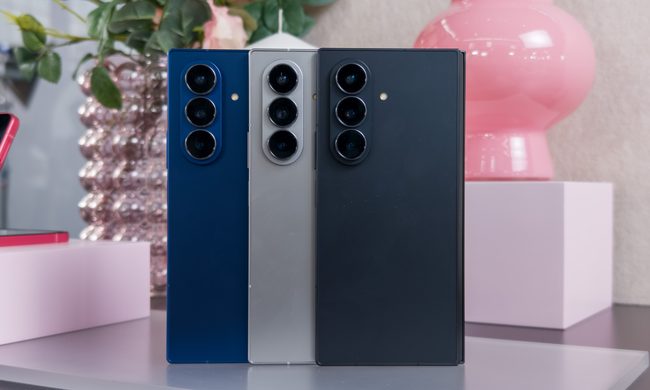
The back of the Galaxy Z Fold 7

If you've pre-ordered a Samsung foldable purely for the free storage bump, tomorrow's Unpacked event might sting a little.

For years, pre-ordering a new Galaxy meant automatically getting double the storage at no additional charge. Buy the 128GB model, walk away with 256GB for the same price. The same applied to the 256GB and 512GB models. However, that might change at the upcoming Galaxy Unpacked event. 

Read more
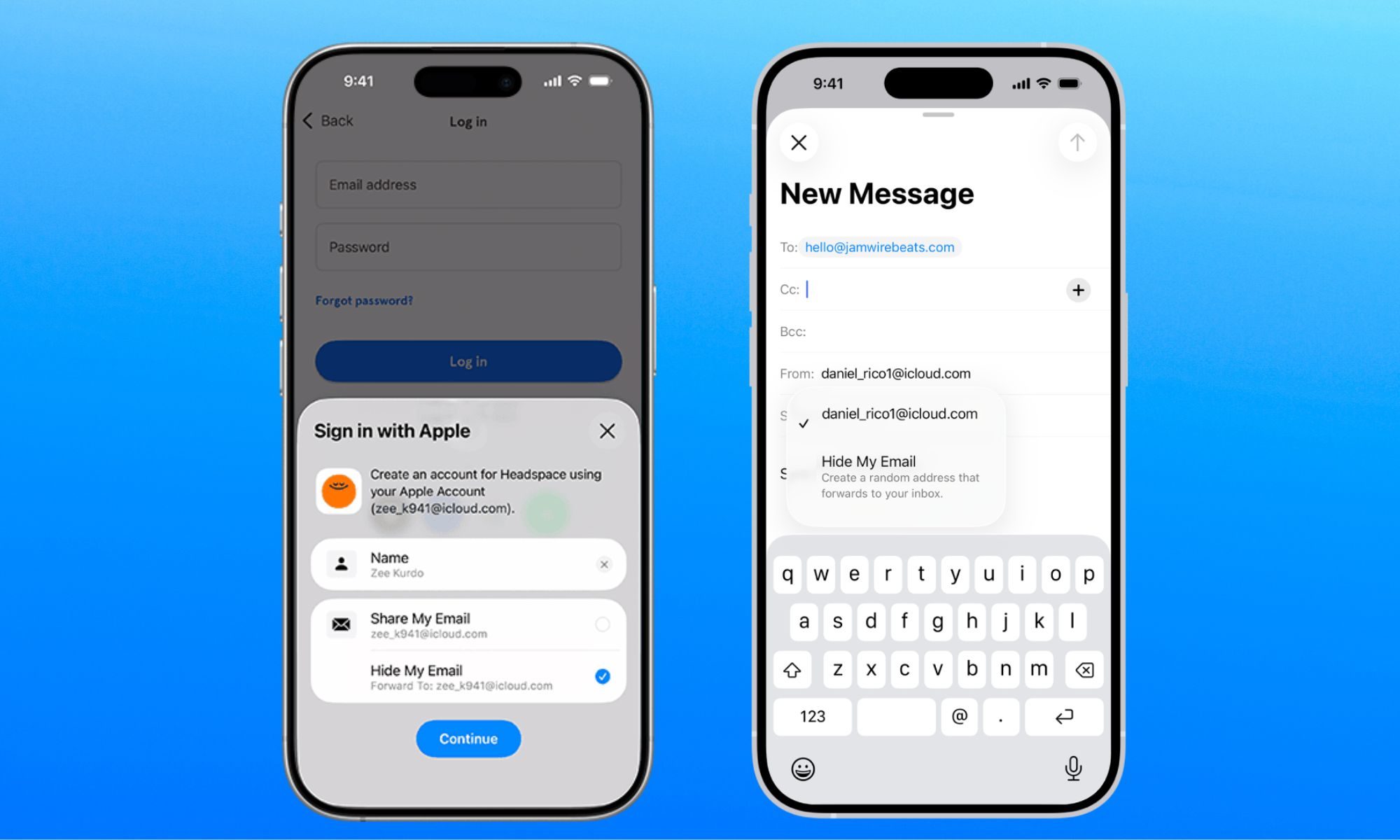
Apple fixes Hide My Email bug that exposed users’ real email addresses
Here's how Apple's Hide My Email flaw leaked real addresses for over a year, and why it only got fixed once the story went public.
apple-merging-sign-in-with-apple-hide-my-email-icloud+

Turns out the "Hide" part of Hide My Email wasn't doing its job quite as advertised, something that I covered early in July. Security researcher Tyler Murphy reported the flaw in June 2025, but despite Apple claiming it was resolved in March 2026, independent tests confirmed it remained exploitable, at least until July 3, 2026.

So how did this bug actually work?

Read more