1. Home
  2. Phones
  3. Emerging Tech
  4. Mobile
  5. News

This prototype shows how amazing flexible screens might be

Add as a preferred source on Google

Flexible phones of the future won’t just be tougher, they could also bring completely new operating features, if this cool prototype flexy smartphone is the shape of things to come. Developed by Queens University in Canada, it shows how bending a phone using two hands could become an input method, evolving beyond simple touches, swipes, and even haptic feedback.

It’s called the ReFlex, and one of LG’s flexible OLED displays is fixed between two hardware units containing all the phone’s guts, making it look longer and thinner than most smartphones on sale today. The screen is equipped with special bend sensors, which can read the amount of force applied to the screen when it’s being bent. Vibrations from a haptic feedback system recreate how much tension is being applied.

Recommended Videos

The video above shows how this could work. For example, there would be no more swiping back on the catapult in Angry Birds, instead you’d bend the phone to pull the sling back, and feel the tension increase as it neared capacity. The vibrations would be similar to stretching a rubber band, says the university director Dr. Roel Vertegaal, adding that there would a sudden jolt through the device as the catapult was fired.

Additionally, reading ebooks would be very different. Who didn’t love Apple’s animations in iBooks, when it first arrived? Imagine seeing them, but bending the phone to turn the pages instead of swiping with a finger, and that’s the effect created by ReFlex. It looks fantastic. The haptic feedback would tell you when a page had been turned, and the more the phone is bent, the faster those pages flip by.

The ReFlex is obviously a prototype, and whether it becomes a final product isn’t known, but Dr. Vertegaal expects flexible phones to be on sale within five years. LG and Samsung are both working on flexible phones, and LG has in the past stated it wants one on sale by 2017. Seeing this prototype is an exciting glimpse of how the technology could change the way we use our phones entirely.

Andy Boxall
Andy has written about mobile technology for almost a decade. From 2G to 5G and smartphone to smartwatch, Andy knows tech.
The Light Flip brings back the flip phone, minus the distractions
The company's first flip phone features a T9 keypad, 5G, USB-C, and LightOS instead of addictive apps.
Light Flip Phone Featured

Flip phones are having a bit of a comeback. But most modern versions either feel cheaply made or swap one set of distractions for another. That's exactly what Light says it wants to change with the Light Flip -- its first-ever flip phone and the fourth phone the company has released in the past decade. Staying true to the philosophy behind previous Light Phones, the new device combines a classic clamshell design with a minimalist software experience that helps users stay connected without constantly competing for their attention.

A classic flip phone with modern essentials

Read more
Samsung’s new AI assistant wants to explain what your health data actually means
Your Galaxy Watch collects the clues. Samsung Health Assistant connects the dots.
Samsung Health data screen.

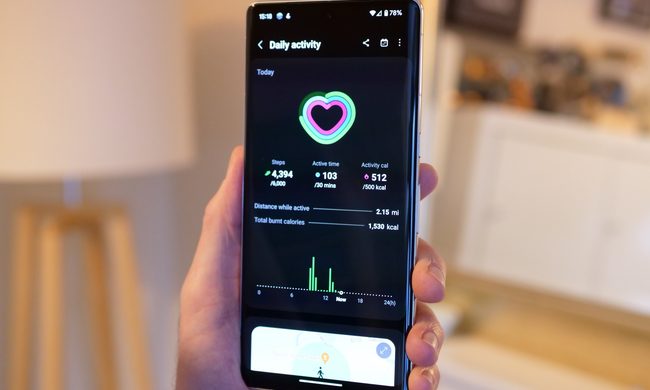
Samsung Health is getting smarter than ever before with its new AI assistant. The Samsung Health Assistant is now available in beta to eligible users in the United States. Built directly into Samsung Health, the conversational assistant can analyze information collected across the app and answer personalized questions about the user’s health and wellness.

Your health charts talk back now

Read more
Apple’s next big iPhone display experiment could be its biggest yet
The company may be testing a 6.96-inch panel for a future flagship, although one leaker’s post is currently the only source for the exact measurement
iPhone 17 Pro Max

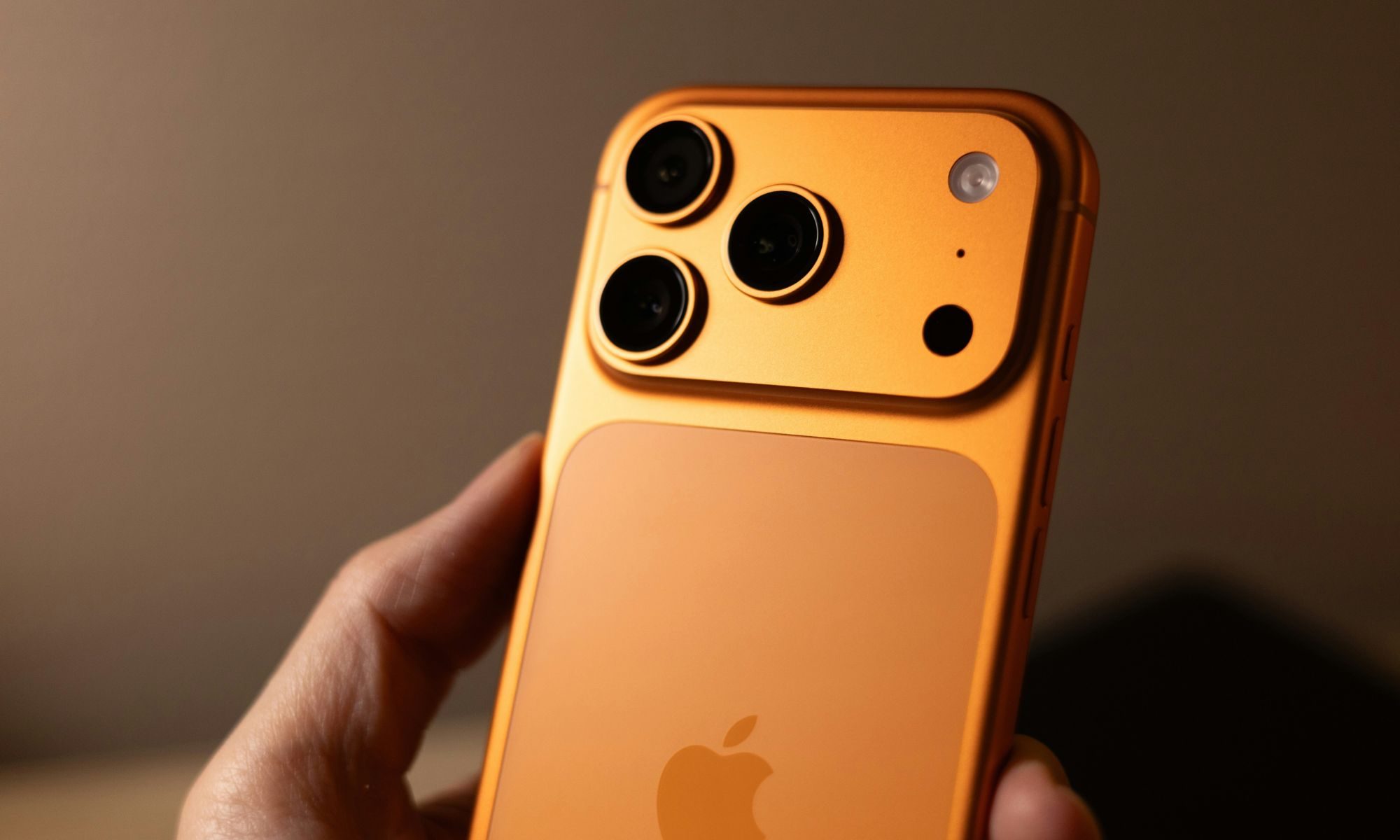
Apple may be testing a 6.96-inch display for a future iPhone, bringing its largest handset within a whisker of the 7-inch mark.

Leaker Digital Chat Station claims the experimental panel retains the same aspect ratio as Apple’s current Pro Max display. The post mentions the iPhone 20 Pro Max as a possible destination, but doesn’t connect the screen to a finished device. Apple could be exploring the size without putting it anywhere near a production line.

Read more