1. Home
  2. Emerging Tech
  3. Photo Galleries
  4. News

This odd new drone is designed to fold into an egg shape for easy transport

Add as a preferred source on Google

Powervision Robotics is known for its innovations in industrial robotics, and now the company is poised to enter the consumer marketplace. Headquartered in Beijing, Powervision recently announced the new PowerEgg drone, an egg-shaped unmanned aerial vehicle that is easy to fly and highly portable due to its unique design.

Powervision chose an oval shape for its PowerEgg drone both for aesthetic and functional reasons. “We think the oval shape is not only clean and pure but also has structural and functional benefits. This simple yet vital design means that this is more than a flying robot but a work of art,” said Powervision CEO Wally Zheng.

The egg shape sets the drone apart from other four-axis drones that adopt a typical x-shaped design. The drone features an oval chassis with four larger propellers that collapse into the body of the device. This mechanism allows the drone to fold up into a compact shell, making it highly portable. When folded, the drone is small enough to fit in a standard backpack.

Eye-catching when it flies, the PowerEgg also has an impressive set of specs, including a 4K HD camera with real-time video transmission and a 3-axis gimbal camera mount that provides a 360-degree panoramic view. It also has stability sensors for indoor flying and an intuitive remote control that PowerVision says makes the PowerEgg drone easy to fly even for beginners. “We want flying a drone to be child’s play, something even a five-year-old can do,” said CEO Zheng. With most drones taking up to 10 hours to learn how to use, PowerVision claims its software system and remote control design cuts the average user’s training time in half.

Using its experience in industrial drone technology and robotics, PowerVision has been working for the last 18 months on the PowerEgg drone. The company expects to begin shipping its new drone sometime in the second quarter of 2016. Pricing and availability details are not yet available.


Kelly Hodgkins
Kelly's been writing online for ten years, working at Gizmodo, TUAW, and BGR among others. Living near the White Mountains of…
Yet another study says AI is bad for elections, and the rabbit hole gets worse
AI may be an election bomb waiting for someone to light the fuse
Voters cast their ballots on Election Day

Another election, another study has concluded that asking an AI chatbot for political guidance is a spectacularly bad idea. Research conducted during Hungary’s 2026 parliamentary election found that ChatGPT and Google Gemini offered not just inaccurate but also inconsistent and unreliable voting advice. The chatbots misclassified voter profiles, overlooked relevant parties, recommended parties absent from the ballot, and sometimes produced materially different answers when given the same information repeatedly.

AI keeps failing the voter test

Read more
Samsung’s humanoid robot ambitions are real, but factories come first
Samsung’s new robotics division has humanoids in its sights, although its immediate business is far more practical factory automation
Robot Touch Human Finger

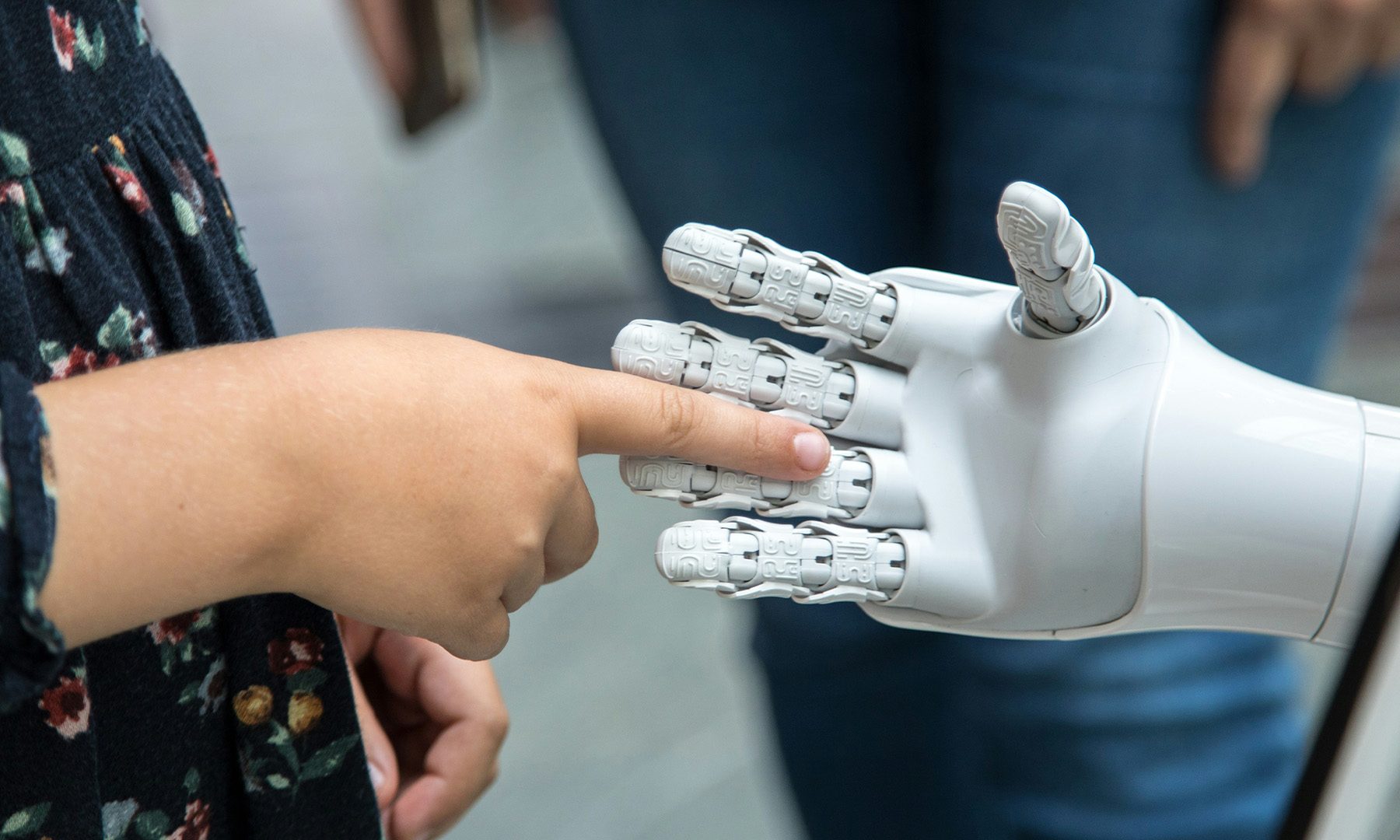
Samsung wants a place in the humanoid race, but its new robotics push begins with machines built for factories rather than homes.

The CEO-led RX robotics division will initially focus on manufacturing robots. Samsung has separately identified humanoids as a priority, although it hasn’t announced a commercial model or explained where one fits into the division’s immediate plans.

Read more
The future of AI may depend on this one behind-the-scenes change
Running Claude on Android.

Whenever a new AI model arrives, it's easy to get caught up in the bells and whistles. We talk about how much smarter it is, how quickly it answers questions, or how realistic its images have become. But here's the thing: none of that matters much if the AI can't reliably work with the apps and services people use every day.

That's why an upcoming update to the Model Context Protocol (MCP) caught my attention. It isn't a new chatbot or a fancy AI model. In fact, most people will never even know it's happening. But it could quietly make the AI ecosystem a lot healthier. If you've never heard of MCP before, don't worry. Think of it as a shared language that lets AI assistants safely talk to apps like Gmail, Slack, calendars, databases, and countless other services. Instead of every company inventing its own way to make those connections, MCP gives everyone a common rulebook.

Read more