1. Home
  2. Phones
  3. Apple
  4. Business
  5. Mobile
  6. News

Department of Justice threatens to take Apple’s iOS source code in San Bernardino case

Add as a preferred source on Google

The back and forth between Apple and the FBI in the San Bernardino shooter’s iPhone case continues to heat up, but the latest filing from the Department of Justice has it flashing a wildcard that could spell problems for Apple and other tech companies.

The case revolves around a court order, requiring Apple to create special code to help the FBI get into the iPhone of the San Bernardino shooter Syed Farook, who killed 14 people last December. Apple filed a motion to vacate, and received support from various human rights groups, privacy advocates, tech companies, and even the United Nations. You can read our full coverage here.

Recommended Videos

In the formal rebuttal to the Cupertino company, the Department of Justice says it could simply force Apple to hand over its source code, if the company doesn’t comply with the court order, the Guardian has found.

The threat is in response to one of Apple’s arguments that creating code for the FBI would be a burden for the company. In a footnote in the filing, the deparment says, “the FBI cannot itself modify the software on Farook’s iPhone without access to the source code and Apple’s private electronic signature.”

This claim been hotly contest by critics of the FBI’s stance, like Edward Snowden, who says it’s “bullshit” that the FBI needs Apple’s help to crack into the iPhone.

The words that followed the DOJ’s statement are what could mean trouble for Apple: “The government did not seek to compel Apple to turn [the source code and electronic signature] over because it believed such a request would be less palatable to Apple. If Apple would prefer that course, however, that may provide an alternative that requires less labor by Apple programmers.”

The remark sounds like a threat, and a snarky one at that. Following the threat, the department also cited a precedent that it could use against Apple in the case — what the FBI did to Lavabit.

Lavabit was a secure email service from Ladar Levison, and it was used by NSA whistleblower Edward Snowden. Levison shut down Lavabit in 2013, and claimed it was due to government requests for live user data. Levison was sanctioned for contempt of court, according to the Guardian.

Flashing the Lavabit precedent is an interesting and scary move. We’ll have to wait and see how not just Apple, but all major tech companies respond to the Justice department’s latest threat.

Julian Chokkattu
Former Mobile and Wearables Editor
Julian is the mobile and wearables editor at Digital Trends, covering smartphones, fitness trackers, smartwatches, and more…
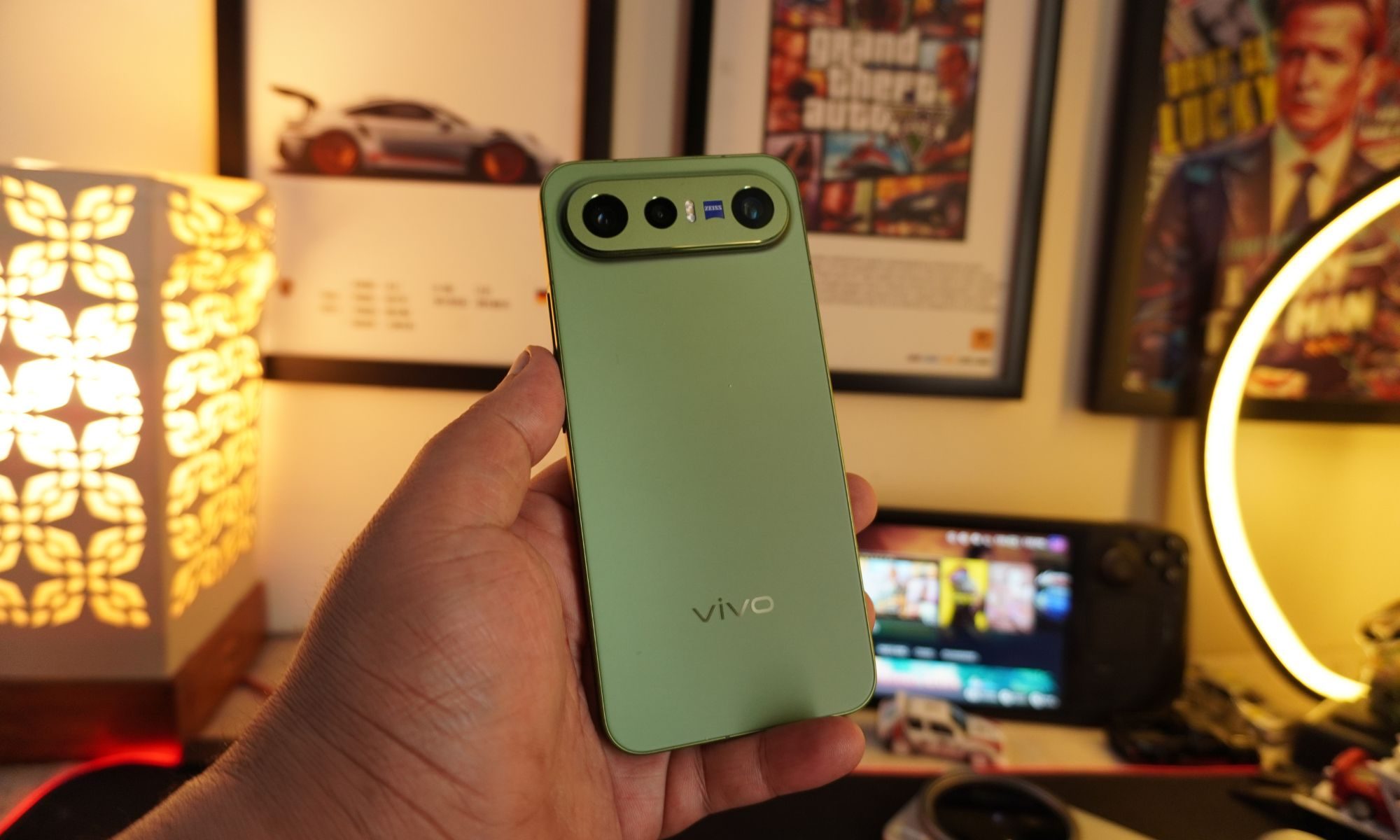
Vivo X300 FE review: The compact flagship I didn’t expect to like this much
The Vivo X300 FE is the Hawkeye of flagships. It doesn't have superpowers, but somehow gets the job done better than everyone else.
Vivo X300 FE

Why Hawkeye?

Hawkeye was never the strongest Avenger, nor did he have the flashiest suit or superpowers. Yet he consistently proved his worth through precision, reliability, and doing the fundamentals exceptionally well. The Vivo X300 FE follows the same philosophy. It doesn't chase outrageous specifications or marketing gimmicks. Instead, it quietly nails the essentials with a superb display, dependable performance, excellent cameras, and outstanding battery life. It may not grab all the headlines, but when it matters, it's the flagship that gets the job done.

Read more
7 Apple Notes tips to elevate your note-taking experience
A few small tweaks buried in the menus that make Apple Notes feel like a completely different app.
Apple notes on iPhone

Over the years, Apple has turned Apple Notes into one of the best note-taking apps for the iPhone. The problem is that most people use the app just as a place to dump info and do not use it to its full potential. Today, I will share seven of my favorite Apple Notes tips that will elevate your note-taking experience. 

Switch between recently opened notes

Read more
This Android lock screen bug lets anyone text using Gemini without knowing your PIN
Google confirms a fix is coming for this risky Gemini lock screen bug
google-gemini

Your Android lock screen is supposed to keep your messages safe, even if someone gets hold of your phone. But a newly discovered Gemini bug could do the opposite. Since May, The Register has received multiple reports of people bypassing device authentication on Android 16 devices that allow Gemini access straight from the lock screen.

The flaw lets anyone use Gemini to send SMS and even WhatsApp messages without ever entering your PIN. It only works under specific conditions, but it is serious enough that Google has confirmed a fix is already rolling out.

Read more