1. Home
  2. Emerging Tech
  3. Health & Fitness
  4. Wearables
  5. News

Prototype ‘omnifocal’ lenses can auto-focus on whatever you’re looking at

Add as a preferred source on Google

For the old (or rather, more seasoned) among us, vision is often one of the first things to go. As years pass, the lenses of your eyeballs gradually begin to thicken and become less flexible. This hampers your ability focus on things that are close to your face — so eventually, your only options are to either get a pair of bifocals, or hold all your books and newspapers further away.

Israeli upstart Deep Optics thinks we can do better, though. The company is working on a set of concept lenses called “omnifocals,” which have the capability to change their power in real time in order to ensure that the wearer has the clearest vision possible for whatever they’re looking at.

Recommended Videos

It’s a interesting concept; while bifocals work admirably, there’s a “sweet spot” where you’ll have the clearest focus. Move your eye out of that area and you’re likely to find things a bit more blurry. Ask any wearer, and they’ll tell you that’s it’s biggest disadvantage.

That’s not a problem with this technology. Omnifocals work by filling the lens with a liquid crystal solution. Electric current then is sent through this liquid, which can change the power of the lens to improve vision where the wearer is looking. No more looking through the bottom of the lens or tilting your head just right to get the best view.

frameri glasses
Image used with permission by copyright holder

How does Deep Optics’ technology know where you’re looking? Sensors in the glasses track the pupils, which is then sent to a processor built into the frame to deliver the necessary power adjustment. All of this happens in real-time, without the need for the wearer to do anything.

“The user doesn’t have to control it, doesn’t have to look through a specific area of the lens,” Deep Optics CEO and founder Yariv Haddad told the MIT Technology Review. “[They] just have to look through the glasses as they would with any glasses prior to that.”

That’s something bifocal wearers would love lens makers to focus on — no pun intended.

We’d recommend you temper your enthusiasm though, as there is still a long way to go before this technology becomes a reality. For now, all that exists is a working prototype, and a lot of work is left to be done in order to shrink the necessary components into the size of a standard pair of glasses. Other problems include accurately tracking the pupil, which is a major part of making the omnifocal so much better than its predecessor.

Haddad say those issues require at least two years of development to fix, but the glasses would still need to go through extensive user testing. This means an actual commercial version might not be available until the end of the decade — but chances are good that when that date comes around, you’ll need a pair of high-tech spectacles more than ever.


Ed Oswald
For fifteen years, Ed has written about the latest and greatest in gadgets and technology trends. At Digital Trends, he's…
Yet another study says AI is bad for elections, and the rabbit hole gets worse
AI may be an election bomb waiting for someone to light the fuse
Voters cast their ballots on Election Day

Another election, another study has concluded that asking an AI chatbot for political guidance is a spectacularly bad idea. Research conducted during Hungary’s 2026 parliamentary election found that ChatGPT and Google Gemini offered not just inaccurate but also inconsistent and unreliable voting advice. The chatbots misclassified voter profiles, overlooked relevant parties, recommended parties absent from the ballot, and sometimes produced materially different answers when given the same information repeatedly.

AI keeps failing the voter test

Read more
Samsung’s humanoid robot ambitions are real, but factories come first
Samsung’s new robotics division has humanoids in its sights, although its immediate business is far more practical factory automation
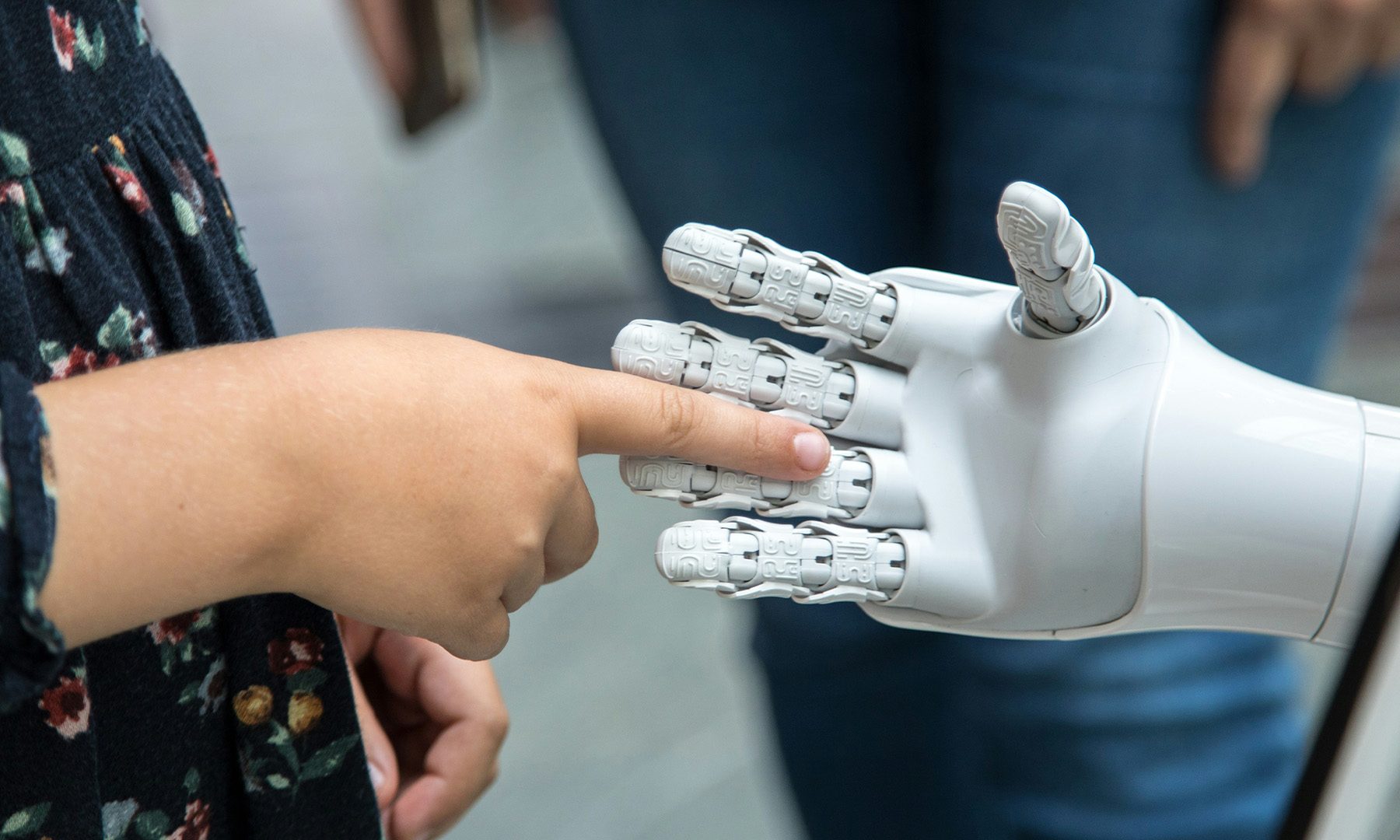
Robot Touch Human Finger

Samsung wants a place in the humanoid race, but its new robotics push begins with machines built for factories rather than homes.

The CEO-led RX robotics division will initially focus on manufacturing robots. Samsung has separately identified humanoids as a priority, although it hasn’t announced a commercial model or explained where one fits into the division’s immediate plans.

Read more
The future of AI may depend on this one behind-the-scenes change
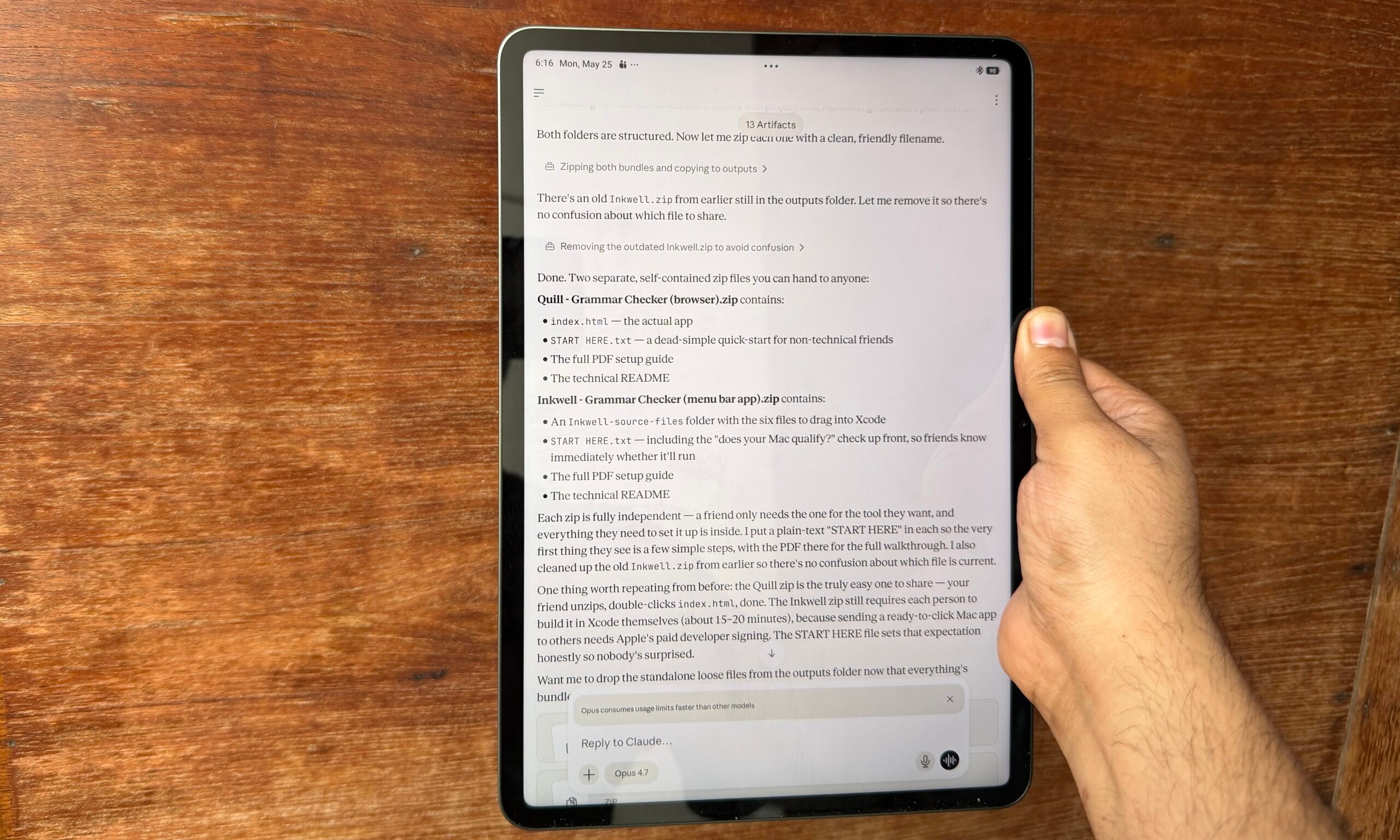
Running Claude on Android.

Whenever a new AI model arrives, it's easy to get caught up in the bells and whistles. We talk about how much smarter it is, how quickly it answers questions, or how realistic its images have become. But here's the thing: none of that matters much if the AI can't reliably work with the apps and services people use every day.

That's why an upcoming update to the Model Context Protocol (MCP) caught my attention. It isn't a new chatbot or a fancy AI model. In fact, most people will never even know it's happening. But it could quietly make the AI ecosystem a lot healthier. If you've never heard of MCP before, don't worry. Think of it as a shared language that lets AI assistants safely talk to apps like Gmail, Slack, calendars, databases, and countless other services. Instead of every company inventing its own way to make those connections, MCP gives everyone a common rulebook.

Read more