1. Home
  2. Phones
  3. Mobile
  4. Web
  5. News

Malware watchdog: Here’s what Google does to keep Android devices uninfected

Add as a preferred source on Google

Google is highly motivated to keep its Play Store and its customers’ phones free from harmful applications. In 2015 it scanned more than six billion apps every single day in search of malware. This involved scanning as many as 400 million devices around the world everyday.

Announced as part of Google’s annual report on the state of Android security, Google said it was taking Potential Harmful Apps (PHAs) very seriously. So seriously in fact that throughout 2015, only 0.15 percent of all Android hardware was found to have some form of malware installed on it.

Recommended Videos

However, this can only be said for those who limited themselves to installing applications from Google’s own Play Store. If you are a little more lax with where your apps come from, you have a higher chance of contracting a nasty bit of software.

In cases where third-party stores were used, Google found 0.5 percent of devices were infected with some form of malware last year.

Related: New Malware, Accessibility Clickjacking, affects 65% of Android devices

These numbers aren’t much changed from 2014’s, which suggests Google is still doing a good job. As the number of smartphones around the world increases, especially in less technologically developed nations, maintaining a low malware install base is important.

And Google isn’t stopping with these measures. As The Verge explains, Google’s report also highlights that over the past year it has implemented tighter app permissions in order to allow better user control, as well as full disk encryption for most phones running Android 6.0 Marshmallow. And Google even offers bounties for those who discover fatal flaws in the Android marketplace.

While it will always be an ongoing battle to prevent nefarious individuals from taking away the privacy and property of smartphone users around the world, it seems Google remains vigilant in keeping as on top of it as it can.

Are there any security features you would like to see Google implement in the future?

Jon Martindale
Jon Martindale covers how to guides, best-of lists, and explainers to help everyone understand the hottest new hardware and…
TSMC might set up a price hike that could come straight for your next phone, laptop, or tablet
Here's what TSMC's rumored 10% chip price increase actually means in dollar terms, and why your next phone or laptop could end up costing more.
TSMC Fab

My wallet flinched the second I saw the words "TSMC" and "price increase" in the same headline, and honestly, yours should too.

Turns out the company behind the silicon powering basically every flagship device out there, including Apple’s A-series and Qualcomm’s Snapdragon processors, is reportedly about to make all of it a little pricier.

Read more
Samsung’s free storage doubling for preorders is gone in Austria, and the replacement isn’t as sweet
Samsung's free storage doubling deal might just be history.
The back of the Galaxy Z Fold 7

If you've pre-ordered a Samsung foldable purely for the free storage bump, tomorrow's Unpacked event might sting a little.

For years, pre-ordering a new Galaxy meant automatically getting double the storage at no additional charge. Buy the 128GB model, walk away with 256GB for the same price. The same applied to the 256GB and 512GB models. However, that might change at the upcoming Galaxy Unpacked event. 

Read more
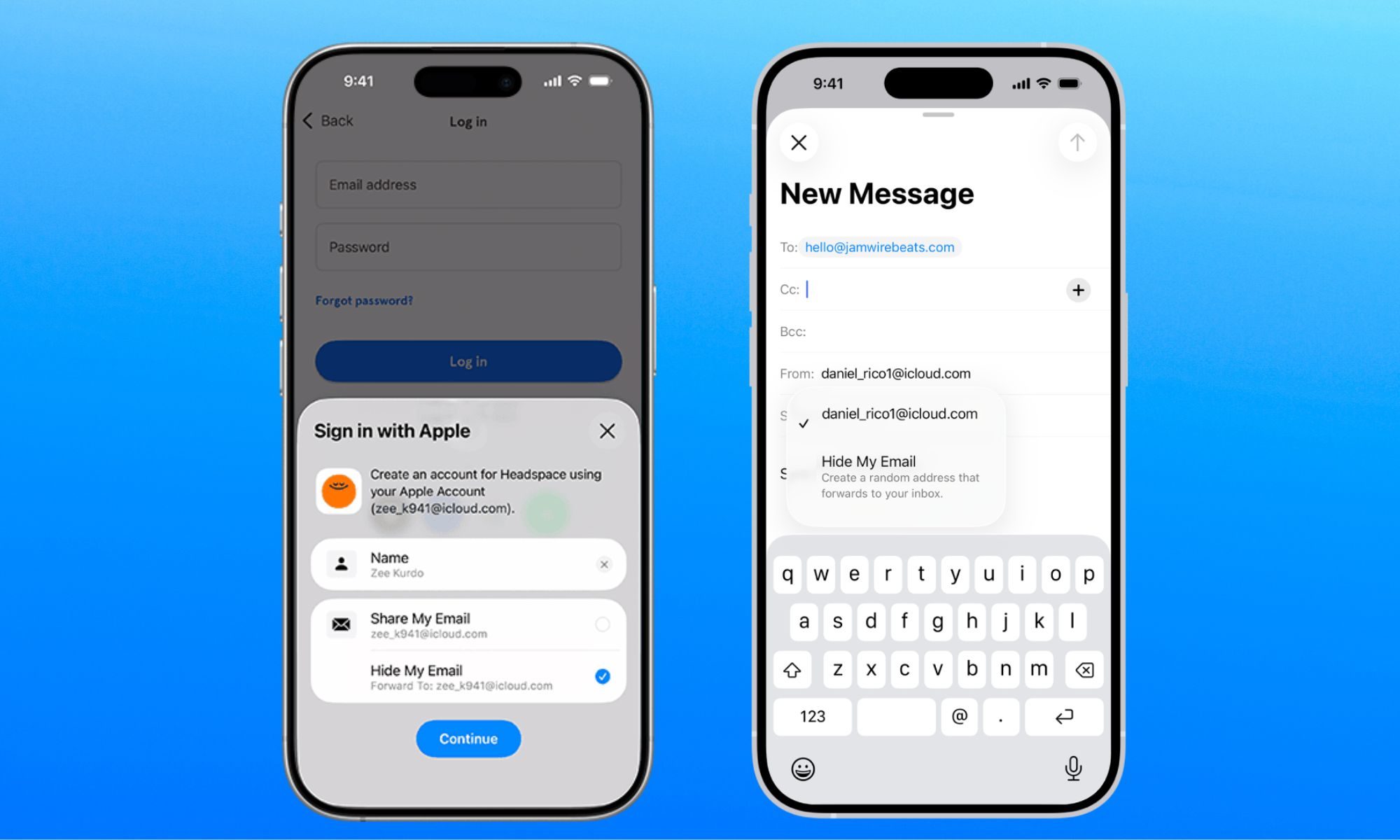
Apple fixes Hide My Email bug that exposed users’ real email addresses
Here's how Apple's Hide My Email flaw leaked real addresses for over a year, and why it only got fixed once the story went public.
apple-merging-sign-in-with-apple-hide-my-email-icloud+

Turns out the "Hide" part of Hide My Email wasn't doing its job quite as advertised, something that I covered early in July. Security researcher Tyler Murphy reported the flaw in June 2025, but despite Apple claiming it was resolved in March 2026, independent tests confirmed it remained exploitable, at least until July 3, 2026.

So how did this bug actually work?

Read more