1. Home
  2. Phones
  3. Emerging Tech
  4. Mobile
  5. Smart Home
  6. News

The FCC is finally replacing old TTY tech with a Wi-Fi based solution

Add as a preferred source on Google

The Federal Communications Commission is making big moves to help those with disabilities communicate. In a recent ruling, the FCC determined that it would replace the long-standing teletypewriter (TTY) devices that are currently in service with a real-time text (RTT) solution. TTY device are used in conventional phone lines, and are meant to aid those with difficulty hearing, but RTT is a more modern and efficient alternative, operating via Wi-Fi.

With RTT, devices send text instantaneously and automatically through wireless networks, and there’s no need to invoke another “send” command. This, the FCC says, allows for “a more conversational rhythm.” In a statement, the FCC noted that RTT will “allow Americans who are deaf, hard of hearing, speech disabled, or deaf-blind to use the same wireless communications devices as their friends, relatives, and colleagues, and more seamlessly integrate into tomorrow’s communications networks.”

Recommended Videos

More importantly, RTT will allow for partial messages to be sent in cases of emergency where communication is key, but sometimes shoddy. This newer technology will let texters communicate with people using the audio component of their phones, and vice versa as well. And because it’s not shackled to standard landlines, it represents an upgrade from TTY technology.

The FCC has asked RTT to be rolled out across wireless networks of “larger carriers” by the end of next year, and has also outlined a list of necessary functions (like voice calls and simultaneous voice and text communications) that will need to be implemented alongside RTT.

TTY has been on its way out for a while, especially last year when the FCC reneged a bit on its TTY support. The mobile carrier space also put pressure on the Commission to make a decision on the technology, with AT&T lodging a complaint against T-Mobile and Sprint for launching Wi-Fi calling without getting the appropriate waiver that would allow the companies to use RTT instead of TTY (crucial, as TTY isn’t always reliable via Wi-Fi). In any case, all’s well that ends well, and it looks like this saga has a pretty satisfying conclusion.

Lulu Chang
Fascinated by the effects of technology on human interaction, Lulu believes that if her parents can use your new app…
Samsung’s new AI assistant wants to explain what your health data actually means
Your Galaxy Watch collects the clues. Samsung Health Assistant connects the dots.
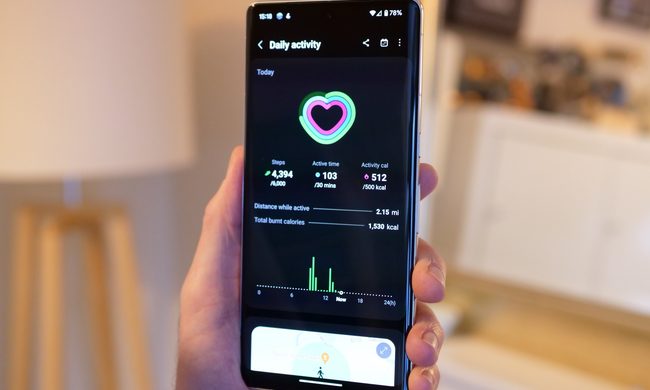
Samsung Health data screen.

Samsung Health is getting smarter than ever before with its new AI assistant. The Samsung Health Assistant is now available in beta to eligible users in the United States. Built directly into Samsung Health, the conversational assistant can analyze information collected across the app and answer personalized questions about the user’s health and wellness.

Your health charts talk back now

Read more
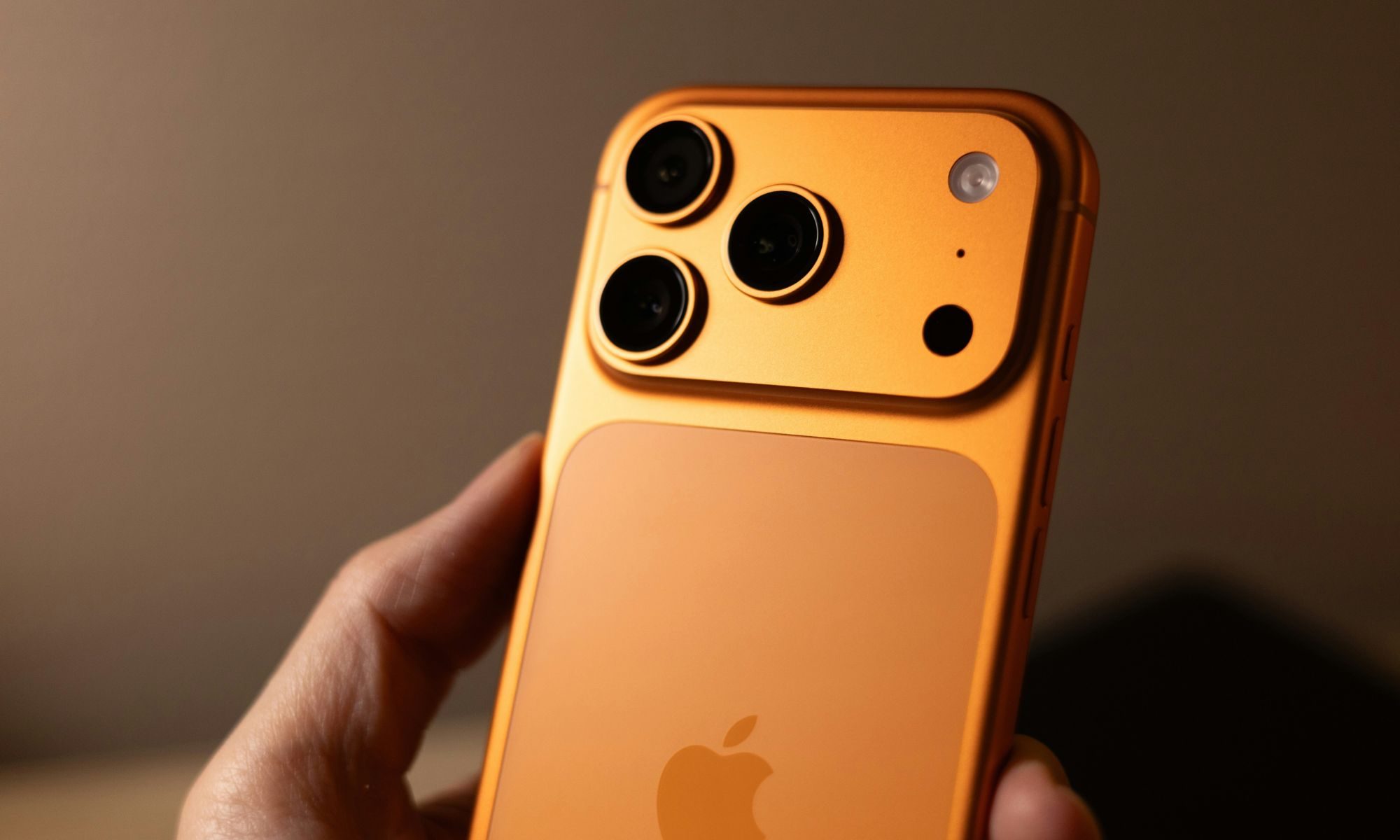
Apple’s next big iPhone display experiment could be its biggest yet
The company may be testing a 6.96-inch panel for a future flagship, although one leaker’s post is currently the only source for the exact measurement
iPhone 17 Pro Max

Apple may be testing a 6.96-inch display for a future iPhone, bringing its largest handset within a whisker of the 7-inch mark.

Leaker Digital Chat Station claims the experimental panel retains the same aspect ratio as Apple’s current Pro Max display. The post mentions the iPhone 20 Pro Max as a possible destination, but doesn’t connect the screen to a finished device. Apple could be exploring the size without putting it anywhere near a production line.

Read more
Vibecoded apps are flooding Apple’s App Store, and users are getting sick of them
App Store submissions have doubled this year as AI tools make it easier than ever to build an app, but downloads haven't kept pace, and for good reason.
Apple App Store homepage on an iPhone

Apple's App Store is in the middle of its steepest submission surge in years. Developers submitted nearly 600,000 new apps last year, marking a 30 percent jump over the previous year. That number has already doubled to roughly 560,000 new apps in just the first six months of this year, according to estimates from analytics firm Sensor Tower cited by the New York Times. The reason behind the spike is vibecoding, which allows people with no prior development experience to create new apps using AI tools.

A familiar boom, with a twist

Read more