1. Home
  2. Emerging Tech
  3. Photography
  4. News

GoPro’s highly anticipated Karma drone won’t be released until this winter

Add as a preferred source on Google

Last December, GoPro announced its first ever drone. Called the Karma, this highly-anticipated device was set to be released sometime in the first half of 2016. But things don’t always go as planned. To the chagrin of many film makers and extreme sports enthusiasts, the Karma’s release date has been pushed back until winter, the company said in an announcement last week. Even worse, GoPro is undergoing some financial distress, reporting a shift from a $22 million profit to a $121 million loss and a revenue drop of nearly 50 percent in its first quarter earnings compared to that of early 2015.

Not much is known about the Karma, but many considered it an exciting opportunity for the financially struggling action camera company. Competition and poor sales saw GoPro’s stock prices plummet about 79 percent over 2015, and a lackluster product release (the GoPro Hero4 Session) forced the company to decrease the price of its new Hero 4 camera by half. After a 31 percent drop in 2015’s Q4 revenue, it discontinued many of its cameras and trimmed its product line down to just three devices by April 2016. This move cost GoPro $57 million and 7 percent of its stock price.

Recommended Videos

But financial issues haven’t kept GoPro from developing their software. Earlier this year the company acquired, repackaged, and relaunched two video editing startups to assist filmmakers with the inconvenience of video editing. The first app, called Quik, allows for quick editing by automatically analyzing footage to identify the best scenes before adding transitions and effects. The second one, Splice, is a more manual editor that isn’t as fast as Quik, but gives film editors more control over the final cut.

The Karma may have helped GoPro rise above these consecutive losses by branching out into the burgeoning realm of aerial drone videography. And though the device is delayed, it still might help GoPro recover by arriving on the market during a lucrative season. Sales typically increase during the winter holidays, when the Karma is now scheduled to be released, so the decision to delay the device may well be calculated. In fact, GoPro admits in its report, “…while we had to make the difficult decision to delay our drone, Karma, the upside is that Karma’s launch should now benefit from the holidays.” However, that leaves at least six months in which GoPro will need to raise its earnings in other ways. 

Dyllan Furness
Former Contributor
Dyllan Furness is a freelance writer from Florida. He covers strange science and emerging tech for Digital Trends, focusing…
Yet another study says AI is bad for elections, and the rabbit hole gets worse
AI may be an election bomb waiting for someone to light the fuse
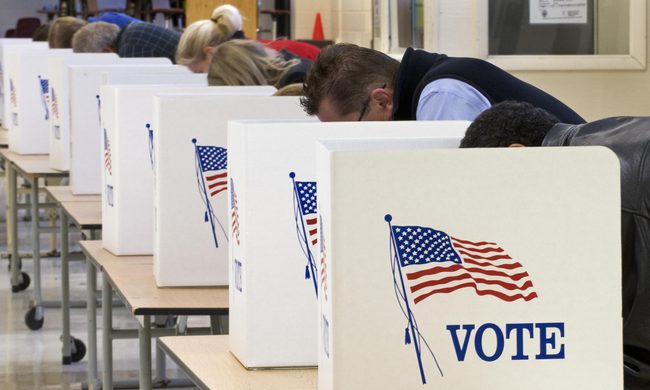
Voters cast their ballots on Election Day

Another election, another study has concluded that asking an AI chatbot for political guidance is a spectacularly bad idea. Research conducted during Hungary’s 2026 parliamentary election found that ChatGPT and Google Gemini offered not just inaccurate but also inconsistent and unreliable voting advice. The chatbots misclassified voter profiles, overlooked relevant parties, recommended parties absent from the ballot, and sometimes produced materially different answers when given the same information repeatedly.

AI keeps failing the voter test

Read more
Samsung’s humanoid robot ambitions are real, but factories come first
Samsung’s new robotics division has humanoids in its sights, although its immediate business is far more practical factory automation
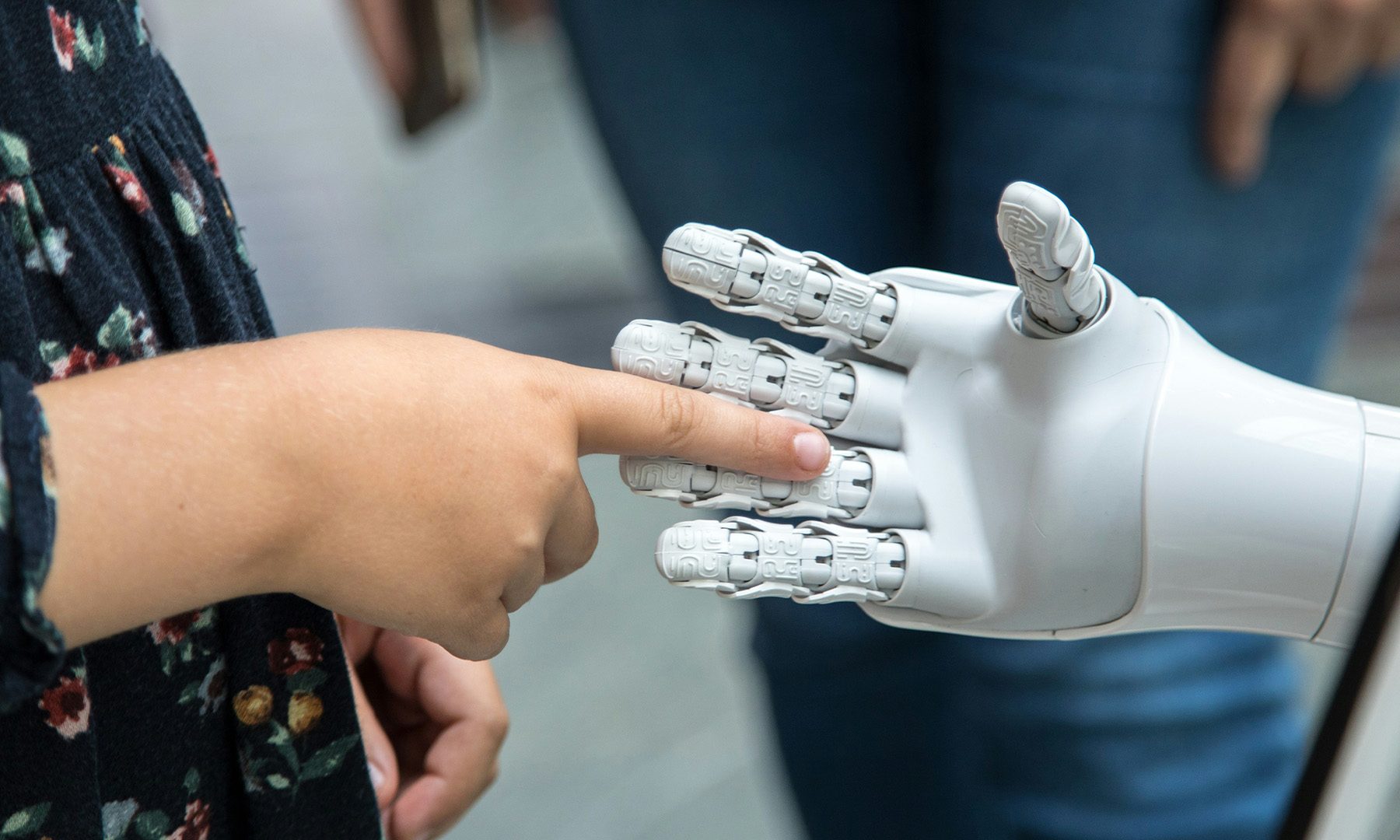
Robot Touch Human Finger

Samsung wants a place in the humanoid race, but its new robotics push begins with machines built for factories rather than homes.

The CEO-led RX robotics division will initially focus on manufacturing robots. Samsung has separately identified humanoids as a priority, although it hasn’t announced a commercial model or explained where one fits into the division’s immediate plans.

Read more
The future of AI may depend on this one behind-the-scenes change
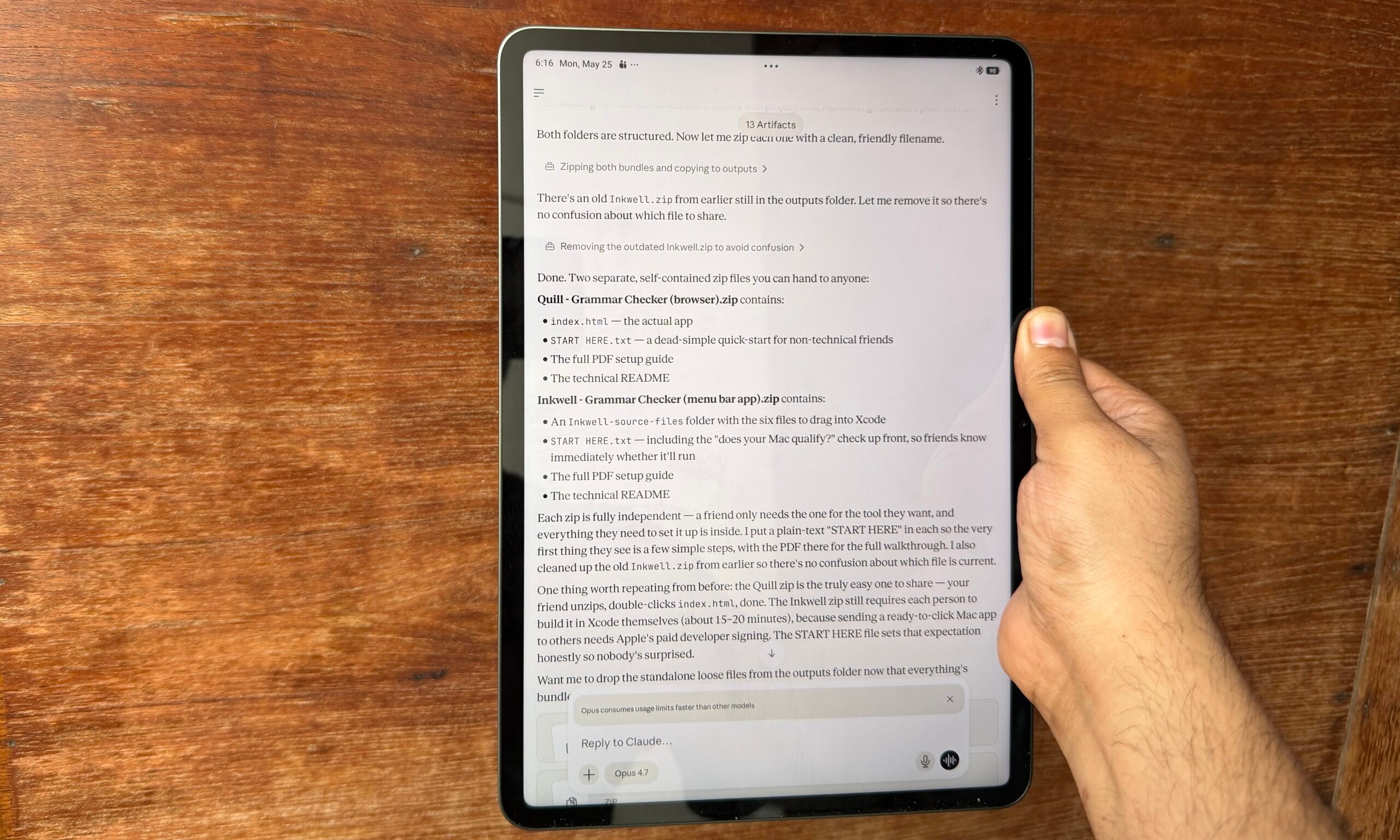
Running Claude on Android.

Whenever a new AI model arrives, it's easy to get caught up in the bells and whistles. We talk about how much smarter it is, how quickly it answers questions, or how realistic its images have become. But here's the thing: none of that matters much if the AI can't reliably work with the apps and services people use every day.

That's why an upcoming update to the Model Context Protocol (MCP) caught my attention. It isn't a new chatbot or a fancy AI model. In fact, most people will never even know it's happening. But it could quietly make the AI ecosystem a lot healthier. If you've never heard of MCP before, don't worry. Think of it as a shared language that lets AI assistants safely talk to apps like Gmail, Slack, calendars, databases, and countless other services. Instead of every company inventing its own way to make those connections, MCP gives everyone a common rulebook.

Read more