1. Home
  2. Computing
  3. Business
  4. News

Flash memory news flash: Western Digital buys SanDisk for $16B

Add as a preferred source on Google

Western Digital has announced the completion of a $16 billion deal that will see the company acquire SanDisk. The move will help Western Digital maintain its position in the marketplace as solid state drives replace hard disks as the most popular form of storage.

“Today is a significant day in the history of Western Digital,” said the company’s CEO, Steve Milligan, in a press release distributed this morning. He went on to praise the “transformational combination” of the two companies, and also referenced the “significant cash flow” he expects the deal to bring about.

Recommended Videos

Milligan will remain the CEO of Western Digital, which will still be headquartered in Irvine, California. Sanjay Mehrotra, the co-founder and CEO of SanDisk, will be taking a position on the Western Digital board of directors.

Mehrotra commented on the deal with the observation that “growth and change go hand in hand,” and stated his optimism about the potential for success that the combination offers up.

The acquisition was finalized for a figure some $3 billion shy of the price that was reported when the deal was announced last October. This can be attributed to Unisplendour backing out of plans to purchase a 15-percent stake of Western Digital, according to a report from The Verge.

While Western Digital has long been one of the biggest names in hard disk manufacturing, in recent years this form of storage has been threatened by the falling cost of solid state drives. Given that SanDisk launched the world’s first solid state drive back in 1991, the investment should help the company remain competitive.

SanDisk may have been swallowed up, but its name will live on — Western Digital has confirmed that it will continue to use the brand to market future products.

Brad Jones
Brad is an English-born writer currently splitting his time between Edinburgh and Pennsylvania. You can find him on Twitter…
Google’s AI is digging up Chrome bugs that humans missed for years
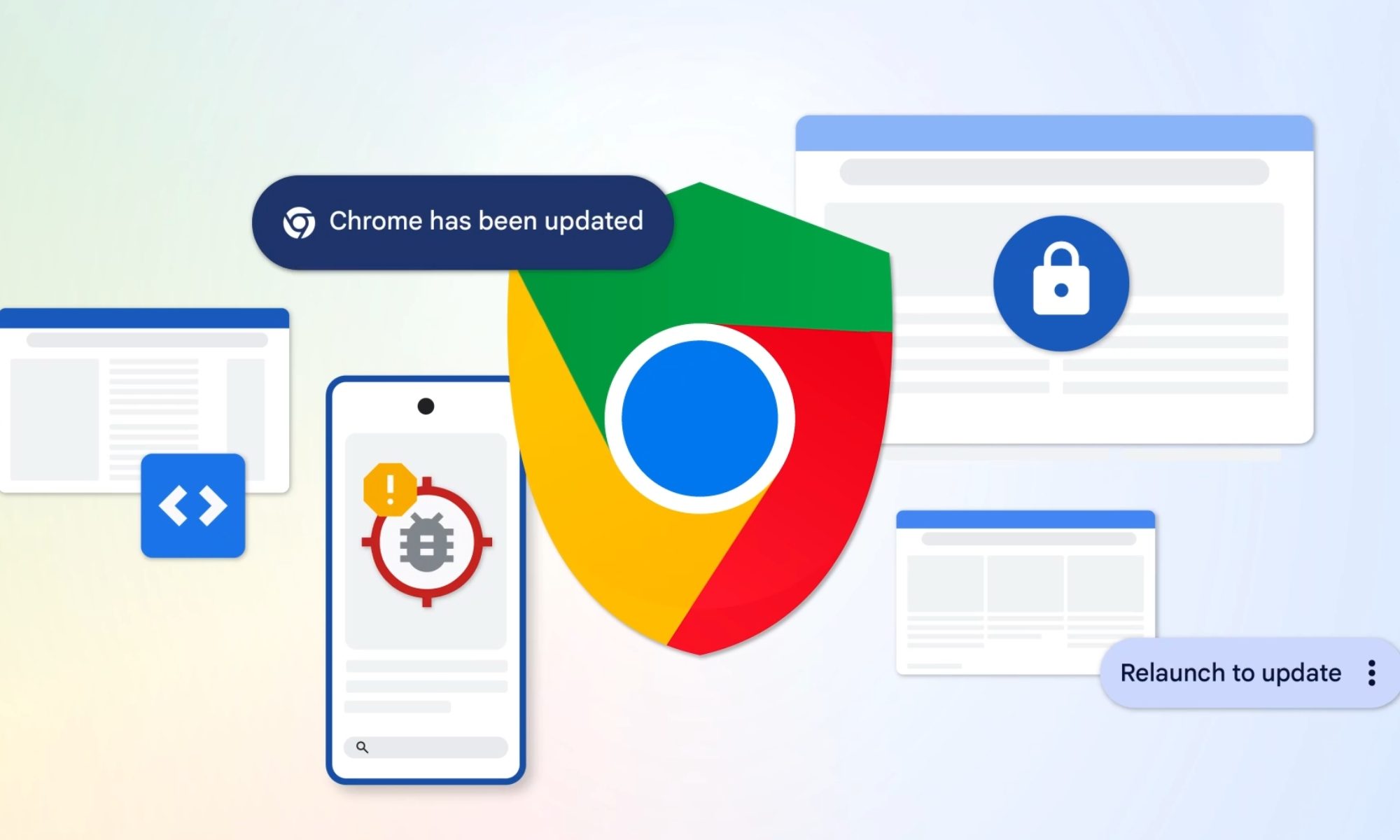
Here's how Google is using Gemini AI to find, triage, and patch Chrome security bugs faster than ever.
Google Chrome safety feature.

I've always assumed Chrome's endless update notifications were just routine housekeeping with a batch of actually useful features every now and then. Turns out some of them are patching bugs that have been quietly sitting in the browser's code for over a decade.

So how exactly is AI catching these bugs?

Read more
The Best Password Managers for 2026
As online security evolves, so should the way you protect your accounts
password manager on a mac.

Think about how many online accounts you use in a typical week. Between work, banking, shopping, streaming, social media, and everything in between, it's easy to end up managing dozens of passwords. Remembering a different, secure password for every account simply isn't realistic, which is why so many people fall back on reusing the same login across multiple websites. That's a recipe for disaster, if you ask any cybersecurity expert.

If you're in a conundrum on how to safely handle digital privacy, password managers are a reliable solution. Rather than trying to remember every single password yourself, a credentials manager tool securely stores your login details, creates stronger passwords for new accounts, and automatically fills them in whenever you need them.

Read more
Amazon and Walmart’s AI can spot fake ‘Made in USA’ labels but won’t tell you, says study
The same chatbot that happily discusses "Made in China" claims stays silent on "Made in USA" ones.
amazon-join-the-chat-ai

When you ask an AI shopping assistant to help you find products, you probably expect it to point out misleading listings too. According to a new study, both Amazon and Walmart's AI tools can detect fake "Made in USA" claims. However, the study claims that retailers are not using those capabilities to flag or remove the misleading listings, even when the AI recognizes conflicting information on the same product page.

How did the researchers catch this fraud?

Read more