1. Home
  2. Emerging Tech
  3. News

Office of Naval Research thinks cyborg locusts could help us sniff out explosives

Add as a preferred source on Google

Dogs are regularly used for sniffing out bombs due to their superior sense of smell. But Baranidharan Raman, Associate Professor of Biomedical Engineering at Washington University in St. Louis, has another idea which doesn’t involve canines. Instead, he thinks we will soon be turning the job of sniffing out explosive chemicals over to none other than backpack-wearing remote-control cyborg locusts. Yes, really!

Calling his work a “bridge between neuroscience and engineering,” Raman’s efforts may sound far-fetched, but they’re apparently serious enough to receive funding from the Office of Naval Research.

Recommended Videos

The proposal involves three core technologies, all of which will have to work together for this plan to fall into place. The first bit of tech involves special biocompatible silk tattoos marked on the wings of the locusts, which convert light into heat. Targeting these tattoos with a laser will supposedly allow a “pilot” to steer the insect, by controlling the heat it experiences to direct it left or right.

Second is the ability to work out what a locust is sniffing when it reaches an area of interest. To do this, Raman and his colleagues plan to implant the bug’s brain with an electrode, capable of feeding back its experiences to its human overlords.

Finally, transmitting this information is where the backpack comes in — since this miniature wearable will log the locust’s “neural energy” and send it back to operators.

As for how long we’ll be waiting until biblical plagues of locusts descending on bomb squads around the world, Raman says there’s still work to be done. “We’ve tested all of these technologies individually,” he tells Digital Trends. “The challenge now is to integrate them all together in the way that we want them to, and to put them through an extensive testing period. If all goes according to plan, I’d say we’re about a year away from deployment.”

Luke Dormehl
I'm a UK-based tech writer covering Cool Tech at Digital Trends. I've also written for Fast Company, Wired, the Guardian…
Claude can now join your Slack channels and work alongside your team
Laptop running Claude Fable

For years, AI assistants have been siloed. You open ChatGPT, Claude, Gemini, or Copilot, type a prompt, get an answer, and move on. Anthropic's new Claude Tag feature takes a different approach. Instead of making employees jump into a separate AI chat every time they need help, it brings Claude directly to where many teams already spend their day: Slack.

Add Claude to a channel, grant it access to needed tools, and tag @Claude for help — whether analyzing data, writing reports, reviewing code, or investigating incidents. But Claude Tag isn't just another chatbot integration. Its key differentiator is that Anthropic positions it as a digital coworker for your team, enabling seamless collaboration where multiple users can jointly interact with the same AI within their work environment.

Read more
Getty Images accused AI of wholesale theft. It’s now an official ChatGPT image partner.
Advertisement, Shop, Clothing

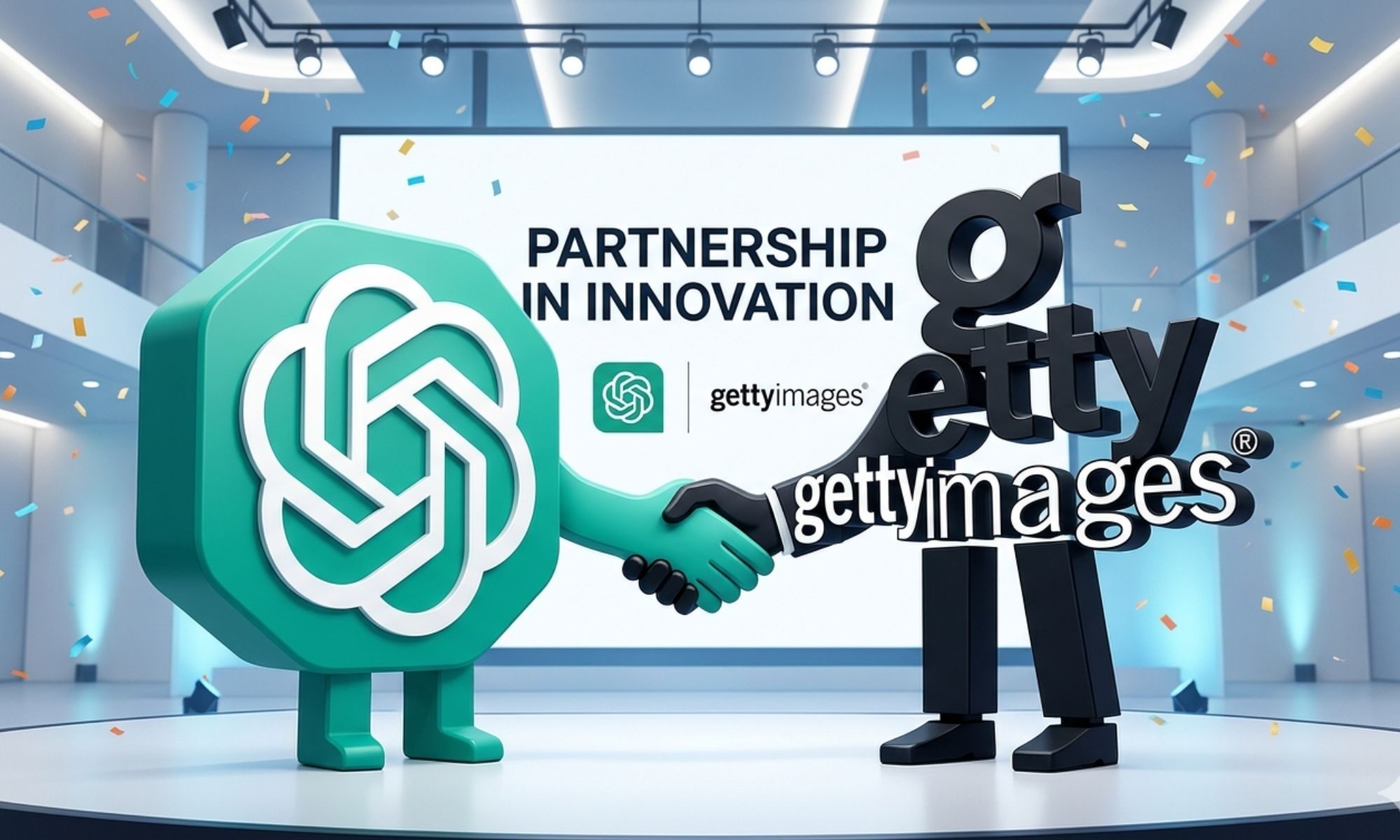
The AI industry's most fascinating stories often come from unlikely alliances, and this is certainly one of them. Getty Images, a company that has spent years raising concerns about how AI models are trained and how creative work is used, is now officially partnering with OpenAI.

The new agreement will allow Getty Images' licensed content to appear across ChatGPT's search and discovery experiences. That means users may begin seeing Getty's professionally licensed photos and visual assets integrated into ChatGPT responses, adding more visual context to searches and AI-generated answers. Getty says the goal is to make AI-powered search more useful and trustworthy by relying on high-quality, licensed content rather than the murky sourcing practices that have sparked countless debates across the AI industry.

Read more
Timekettle’s new X1 Meeting Hub does real-time translation for 50 people and fits in your pocket
Fifty participants, five languages, one 199-gram hub, and no booth required.
Electronics, Screen, Computer Hardware

Professional conference interpretation setups are notoriously painful. Dedicated booths, trained interpreters, bulky hardware, and a bill at the end of every month that makes you rethink whether the meeting was even required in the first place. 

Timekettle wants to collapse all of that into a single hub that weighs 199 grams (less than modern flagship smartphones). The company just launched the X1 Meeting Interpreter Hub. 

Read more