  1. Home
  2. Cars
  3. News

Ford’s 2018 Shelby GT500 Mustang could be the first ever to lose its V8 heart

Add as a preferred source on Google

When you think of the Shelby GT500 Mustang, a few images appear: tire-smoking power, flared / aggressive bodywork, racing stripes, and a boisterous V8. If a recent report from Automobile Magazine proves true, only three of those things will remain in the next generation of Ford’s Shelby GT500 ‘Stang, due out in late 2017 as a 2018 model year.

The new Ford GT made the switch from a supercharged V8 engine to a 3.5-liter twin-turbocharged V6 to save weight and compete in Le Mans, and now the GT500 Mustang could borrow its powertrain. Ford’s 5.8-liter supercharged V8 was tuned to 662 horsepower in 2013 – an outrageous figure before the Hellcat twins appeared on the market – but Ford Performance looks very different even just two years later.

Recommended Videos

With a new focus on lightweight construction and smaller, turbocharged engines, the highest performance Ford models, like the new Focus RS, redesigned F-150 SVT Raptor, and the aforementioned Ford GT have all been designed with handling, and better power-to-weight ratios, and efficiency in mind.

If the 2018 Shelby GT500 embrace a turbocharged V6 powertrain, it will be the first to shun the tradition of a V8-powered GT500 Mustang since it was introduced in 1967. That won’t make purists happy, but it might turn the GT500 into far more than a drag strip champion.

This of course begs the question as to whether that proposed formula deviates too far from the GT500’s original purpose, which was to be the king of muscle cars.

The new Shelby GT350 with its 5.0-liter flat plane crank V8 is certainly a step in the handling-prioritized direction, but a 600-plus HP twin-turbo V6-powered GT500 would weigh even less, and if it borrows the suspension tuning, brakes, and aerodynamic bits from its GT350 sibling, the new GT500 could become the best track car Ford has built yet.

If Ford pulls the trigger, V8 lovers will unleash their wrath, but the performance community might have a better shot at surviving in the wake of stricter environmental regulations.

Miles Branman
Miles Branman doesn't need sustenance; he needs cars. While the gearhead gene wasn't strong in his own family, Miles…
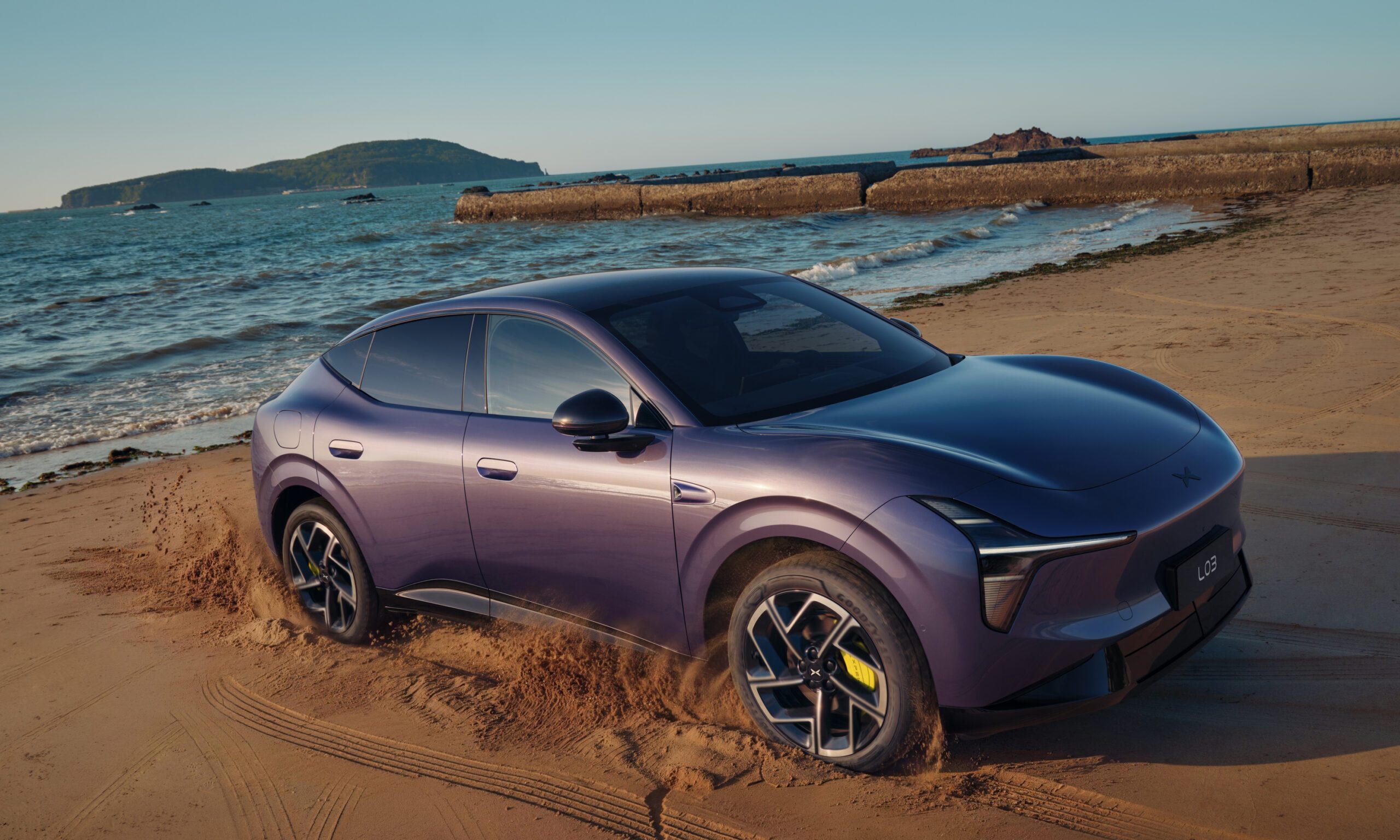
This sleek Chinese EV pairs supercar styling with three AI brains
The Xpeng L03 is an AI supercomputer disguised as a stylish family SUV
Xpeng L03

Xpeng’s latest electric vehicle carries enough processing power to make the term "smart car" actually sound more realistic than it actually is. The new Xpeng L03 debuted simultaneously in Europe and China on July 16, with the company presenting it across 65 markets. Available as a fully electric vehicle and an L03 Power X range-extender, the coupe-SUV is Xpeng’s most internationally focused model so far. Market-specific prices and sales dates remain unannounced.

Three AI chips and Google Maps built right in

Read more
A new sodium battery posts wild four-minute charging numbers, but don’t expect it in an EV yet
The breakthrough could improve fast charging and battery life, but the study hasn’t demonstrated those results in a production-sized pack
EV Charger

A new sodium-metal battery has posted a charging number that makes today’s EVs look painfully slow. In laboratory testing, the cell operated at a 15C rate, equivalent to completing a charge or discharge in roughly four minutes.

That doesn’t mean researchers plugged in an electric car and watched it fill up before the driver finished buying coffee. The result came from a small experimental cell using a new quasi-solid electrolyte, while the larger pouch-cell prototype delivered far less dramatic performance.

Read more
The Apple Car may be dead, but it became the foundation of Apple Intelligence
A decade of work on a canceled car project reportedly laid the groundwork for Apple Intelligence.
Apple Intelligence in Apple Car

The Apple Car may have never left the garage, but it apparently gave birth to Apple's AI ambitions. According to Bloomberg's Mark Gurman, Apple's canceled autonomous vehicle project, one that consumed more than a decade of work and over $10 billion before being scrapped in 2024, ended up laying the technological foundation for Apple Intelligence. In a rather ironic twist, one of Apple's most expensive failures may also become one of its most important long-term investments.

The Apple Car forced Apple to think like an AI company

Read more