The past few years have been full of hype and promises from established automakers about taking on Tesla with high-end electric cars. Now, Jaguar is putting its money where its mouth is. But can the 2019 Jaguar I-Pace SUV usher in a new era for this storied automaker?
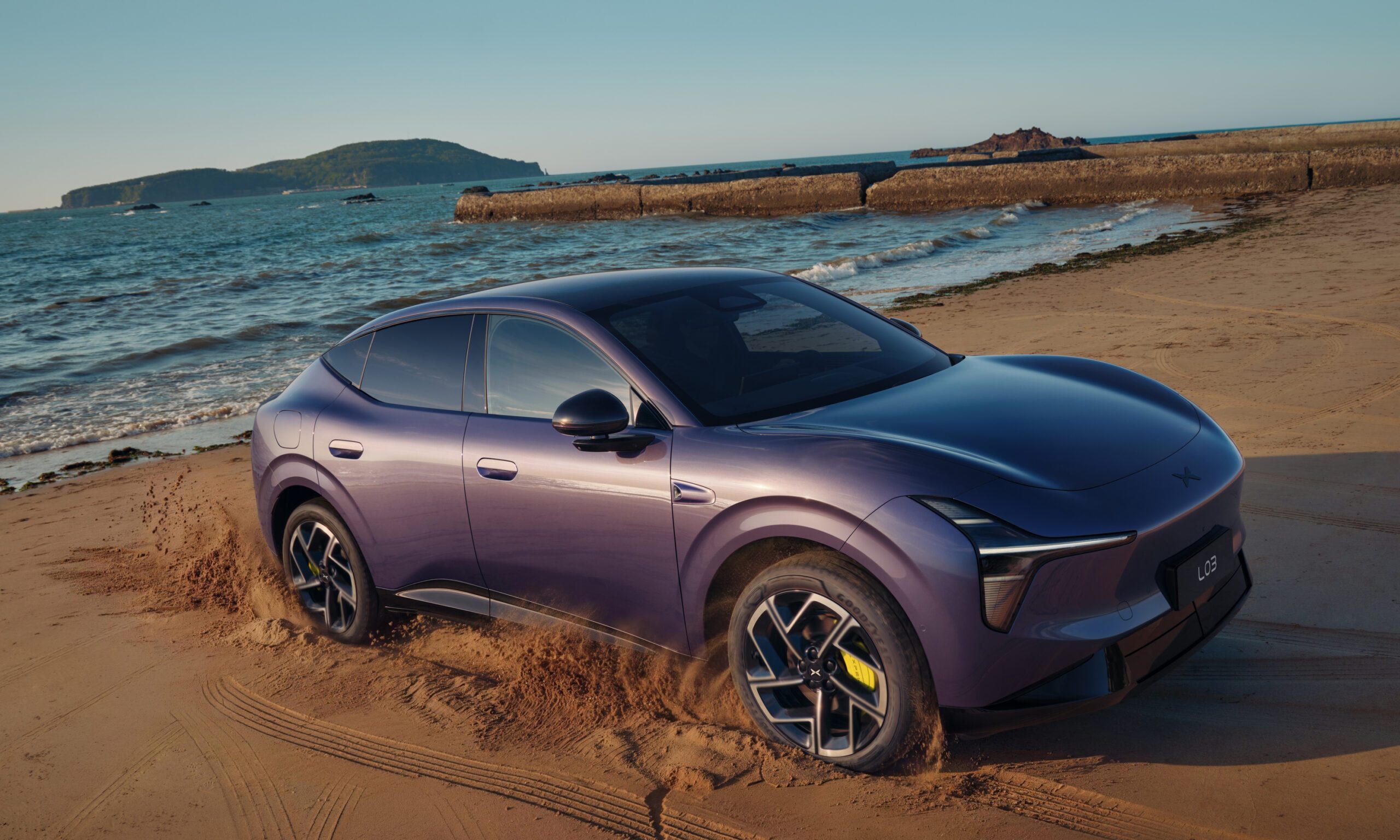
Despite its revolutionary status as Jaguar’s first all-electric production model, the I-Pace should look familiar by now. It’s based on a concept car that first appeared at the 2016 Los Angeles Auto Show and has made several outings since then. While many concept cars get watered down for production, that isn’t the case with the I-Pace. The production version maintains the concept’s sleek looks, flying in the face of traditional SUV boxiness.
The styling was made possible by the I-Pace’s electric powertrain, Jaguar said, which takes up less room than a traditional internal-combustion engine, transmission, and drivetrain. That is something Tesla is already familiar with and Jaguar learned to make the most of. The aluminum-intensive I-Pace sports a low-drag coefficient of 0.29 cd and, despite its low roofline, still offers passenger and cargo space comparable to more traditionally-styled SUVs, according to Jaguar.
The all-wheel drive I-Pace is powered by two electric motors, which produce a combined 394 horsepower and 512 pound-feet of torque. Jaguar claims that will get the I-Pace from 0 to 60 mph in 4.5 seconds, and on to a top speed of 124 mph. That makes the Jag quicker than all but the top-spec Tesla Model X P100D, although the Tesla boasts a slightly higher top speed across all variants.


A 90-kilowatt-hour lithium-ion battery pack mounted underneath the floor provides a claimed 240-mile range, just three miles more than the 75-kWh Model X 75D. Tesla also offers a 100-kWh battery pack good for 295 miles in the Model X 100D variant, and Audi is claiming around 300 miles of range for its upcoming e-tron electric SUV. The I-Pace can be equipped for DC fast charging, offering an 80 percent recharge in 40 minutes. Charging from an AC source will take substantially longer.
The electric powertrain may be new, but connectivity tech largely carries over from other Jaguar Land Rover models. The I-Pace uses the InControl Touch Pro Duo infotainment system that debuted on the Range Rover Velar, including two touchscreens (10-inch upper screen, 5.5-inch lower screen) and a host of capacitive buttons and controls. Jaguar will offer an Amazon Alexa skill and its own app to allow owners to monitor charging and other vehicle functions. The I-Pace will also be the first Jaguar to use over-the-air software updates, and features a “Smart Settings” algorithm that “learns” driver preferences for in-car features.
The 2019 Jaguar I-Pace will start at $69,500 before federal, state, and local incentives. Deliveries will start in the second half of 2018 and Jaguar is planning a racing series around the I-Pace as well. When it arrives, the I-Pace will take on not only the Model X but also a host of new luxury electric cars including Audi’s e-tron and a forthcoming electric Mercedes.
Update: Added U.S. base price