  1. Home
  2. Cars
  3. Photo Galleries
  4. News

BMW’s 3.0 CSL Hommage blends old and new, but the cocktail leaves a bitter taste

Add as a preferred source on Google

Last week, BMW surprised us with a teaser of a new Hommage concept, the 3.0 CSL, ahead of its reveal at the Concorso d’Eleganza Villa d’Este. The small glimpse we had of the design concept was highly promising, and now the German automaker has fully revealed the Hommage.

“Our Hommage cars not only demonstrate how proud we are of our heritage, but also how important the past can be in determining our future,” says Adrian van Hooydonk, senior vice president BMW Group Design.

While the concept attempts to honor the iconic BMW coupe from the 1970s, it’s difficult to call the integration of future styling and classic characteristics a success. From certain angles, you can absolutely see cues from the brand’s heritage, while the front seems to be pulled straight from the i8. In theory, a melding of the two would look stunning, but the results just feel wrong.

If you can look past the buck-toothed front fascia, the rear two-thirds of the concept are sleek, if not a tad overdone, and everyone loves side-exit exhaust. Inside is all-concept, with an F1-esque steering wheel and slender stitched-leather sport seats.

Other elements of its design include headlights inspired by the 2016 BMW 7 Series, flared front and rear wheel arches, and both a roof-mounted and trunk-mounted spoiler to mimic the classic 3.0 CSL’s exterior. Its body is made from carbon fiber reinforced plastic and weighs 200kg/440 pounds less than the original 3.0 CSL.

One rather puzzling design question relates to the hood: while the fenders overlapping the bonnet add some pizazz, it would seem impossible to open the hood. That may explain why BMW didn’t release any information about what powers the 3.0 CSL Hommage.

While aesthetics are always subjective, something tells me this particular Hommage won’t enter the halls of “future classics” anytime soon.

Miles Branman
Miles Branman doesn't need sustenance; he needs cars. While the gearhead gene wasn't strong in his own family, Miles…
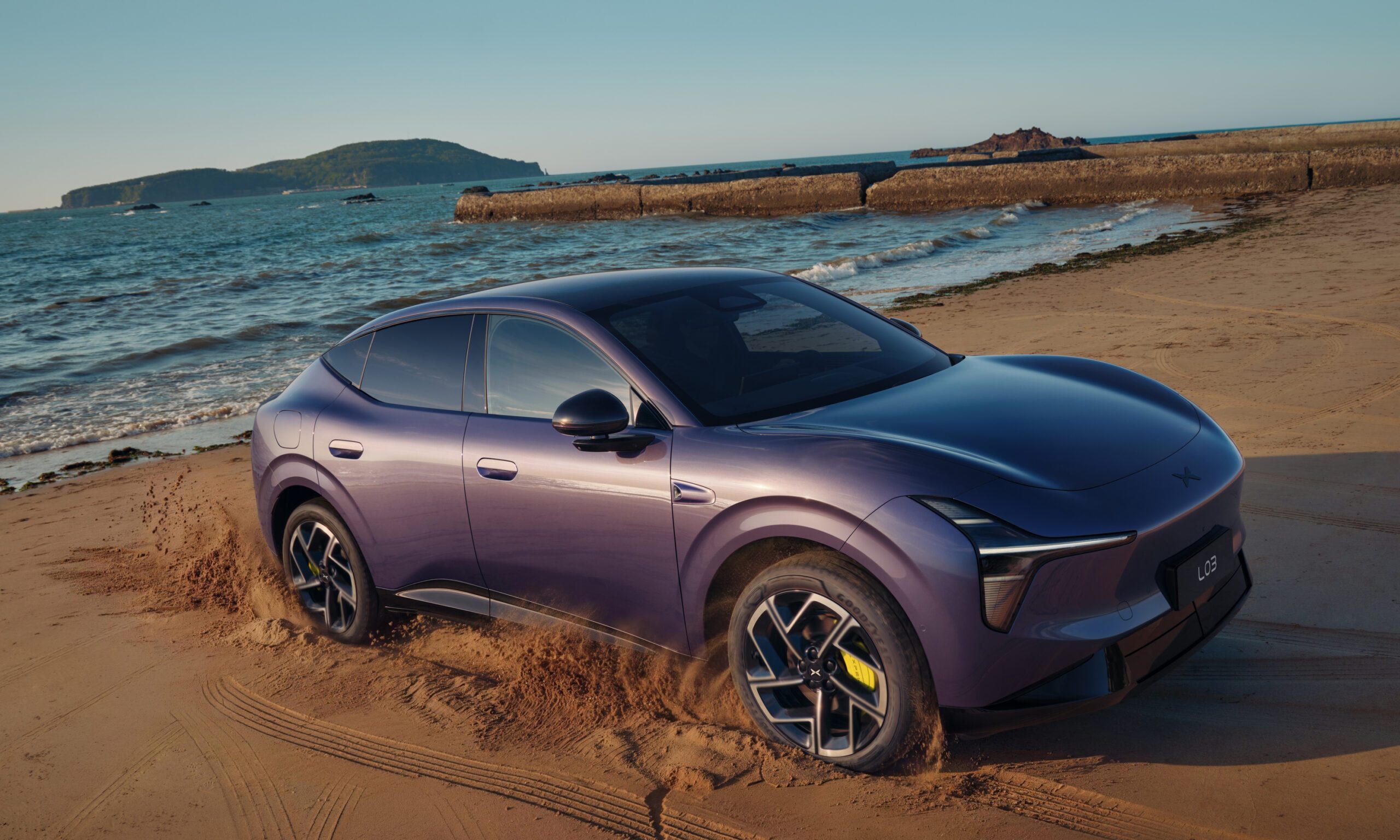
This sleek Chinese EV pairs supercar styling with three AI brains
The Xpeng L03 is an AI supercomputer disguised as a stylish family SUV
Xpeng L03

Xpeng’s latest electric vehicle carries enough processing power to make the term "smart car" actually sound more realistic than it actually is. The new Xpeng L03 debuted simultaneously in Europe and China on July 16, with the company presenting it across 65 markets. Available as a fully electric vehicle and an L03 Power X range-extender, the coupe-SUV is Xpeng’s most internationally focused model so far. Market-specific prices and sales dates remain unannounced.

Three AI chips and Google Maps built right in

Read more
A new sodium battery posts wild four-minute charging numbers, but don’t expect it in an EV yet
The breakthrough could improve fast charging and battery life, but the study hasn’t demonstrated those results in a production-sized pack
EV Charger

A new sodium-metal battery has posted a charging number that makes today’s EVs look painfully slow. In laboratory testing, the cell operated at a 15C rate, equivalent to completing a charge or discharge in roughly four minutes.

That doesn’t mean researchers plugged in an electric car and watched it fill up before the driver finished buying coffee. The result came from a small experimental cell using a new quasi-solid electrolyte, while the larger pouch-cell prototype delivered far less dramatic performance.

Read more
The Apple Car may be dead, but it became the foundation of Apple Intelligence
A decade of work on a canceled car project reportedly laid the groundwork for Apple Intelligence.
Apple Intelligence in Apple Car

The Apple Car may have never left the garage, but it apparently gave birth to Apple's AI ambitions. According to Bloomberg's Mark Gurman, Apple's canceled autonomous vehicle project, one that consumed more than a decade of work and over $10 billion before being scrapped in 2024, ended up laying the technological foundation for Apple Intelligence. In a rather ironic twist, one of Apple's most expensive failures may also become one of its most important long-term investments.

The Apple Car forced Apple to think like an AI company

Read more