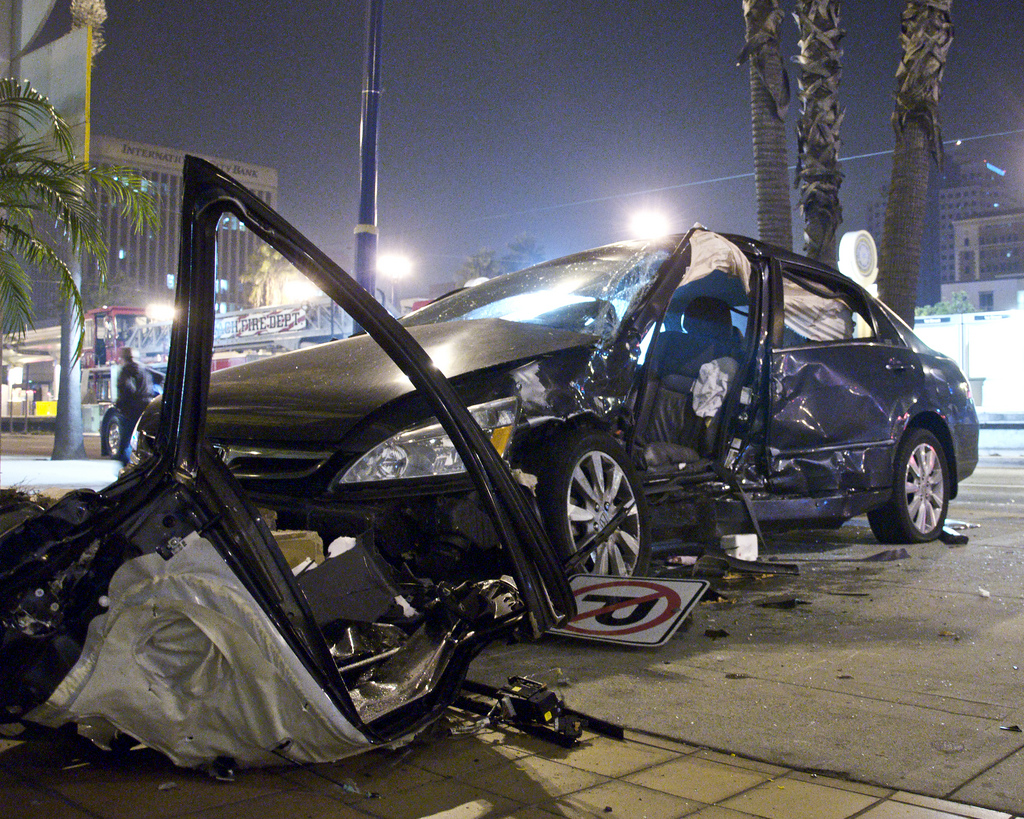
 Those of you scared of Big Brother will have a little more to be paranoid about when you hop into your car. In a month, federal officials (NHTSA) will require every automobile to contain a black box; similar to the device carried in airplanes. The automotive black box is an event data recorder which will monitor your driving habits and provide a snapshot of the final moment of impact if the car crashes.
According to Wired’s Autolog, cars with airbags may already have proprietary black box devices installed in them, but there is no across the board standard at this point with regards to use of the gleaned data. There are 37 states that have no statutes with regards to disclosure of the data. In some cases the black box information is admissible in court, and since no federal laws govern access to the data there may be no limits to what other parties can access.
This type of information would be helpful to law enforcement, insurance companies and manufacturers in determining fault—whether of driver or manufacture. General Motors, a company that has pioneered much of the data recorder technology, says it uses the data it has acquired to study crash severity and understand how the system was function right before the accident. The data helps them with recalls and problems with safety devices such as airbag deployment. Conversely, the data could be used by insurance companies in determining how to assess claims.
The push is for a standard on who gets access, and how much. According to Tom Kowalick, chair at the institute of Electrical Electronic Engineers, “This lack of standardization has been an impediment to national-level studies of vehicle and roadside crash safety.” Implemented standards would also quell privacy concerns and prevent data tampering.