1. Home
  2. Cars
  3. Legacy Archives

In a bombastic tribute to British engineering, Jay Leno shows off his 27-liter 1930 Bentley

Add as a preferred source on Google

You never know what’s going to show up in Jay Leno’s Garage.

For the latest episode, the former Tonight Show host showed off his 1930 Bentley, which is powered by a 27-liter Merlin V12 aircraft engine.

Recommended Videos

Manufactured by Rolls-Royce’s aviation division, the Merlin is a legendary engine. During World War II, it powered the Hurricane and Spitfire fighters that repelled Nazi air attacks during the Battle of Britain.

It was also built in the U.S. under license by Packard, and used in improved versions of the P-51 Mustang, the most famous American fighter plane of WWII.

So what’s it doing in a car?

Going well beyond the conventional engine swap, a British builder essentially constructed the entire Bentley around the Merlin. He later sold the completed car to Jay, but not before it made an appearance on Top Gear, where – in an ultimate display of British jingoism – Jeremy Clarkson raced it against the 47-liter BMW aircraft  V12-powered “Brutus”.

Jay reckons the Bentley produces between 650 and 700 horsepower, but it’s not exactly a sports car. The darn thing weighs around three tons, and can fit an entire Fiat 500 Abarth within its wheelbase.

Modern amenities like electronic fuel injection and power steering make this custom creation much easier to drive than anything this big and powerful has a right to be. While it’s not nimble, Jay says it is “tractable”. Sure.

A car with this much charisma doesn’t need to turn fast lap times. It’s a bombastic tribute to grey pieces of British engineering that can make Hummer drivers cower in fear. Long may it roll.

Stephen Edelstein
Stephen is a freelance automotive journalist covering all things cars. He likes anything with four wheels, from classic cars…
Waymo’s driverless cars keep getting parking tickets in Austin, and humans aren’t the only ones complaining
Waymo vehicles have collected $9,325 in Austin fines as repeated parking mistakes turn into a fleet-wide operational problem
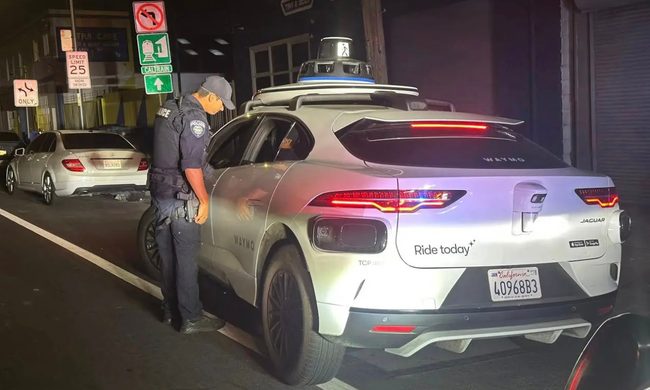
A police officer investigating an empty Waymo car.

Waymo’s 83 parking citations in Austin don’t amount to a financial crisis. They do reveal what happens when the same driving decisions are repeated across an autonomous fleet.

City records obtained by The Wall Street Journal show that Waymo vehicles have accumulated $9,325 in fines since arriving in 2024. The company has paid most of them, but the more revealing detail is how often its cars have made the same mistake.

Read more
Google Maps’ biggest Android Auto upgrade is reaching more users
Google Maps is finally giving Android Auto users directions with a little more drama.
Electronics, GPS, Car

Google is widening the rollout of two long-awaited Google Maps features for Android Auto users: Immersive Navigation and a built-in live speedometer. After months of limited availability, reports suggest both features are now reaching a broader group of users, including people running stable versions of Google Maps instead of beta builds.

The update is part of Google's ongoing effort to modernize the Android Auto navigation experience. While the company unveiled Immersive Navigation earlier this year as one of the platform's biggest upgrades in years, the feature has been trickling out slowly, leaving many users without access. That appears to be changing, with more devices now receiving the update through a server-side rollout.

Read more
Tesla’s hidden door problem might end up fixing every car in America
This could permanently change how emergency exits are designed in American passenger vehicles.
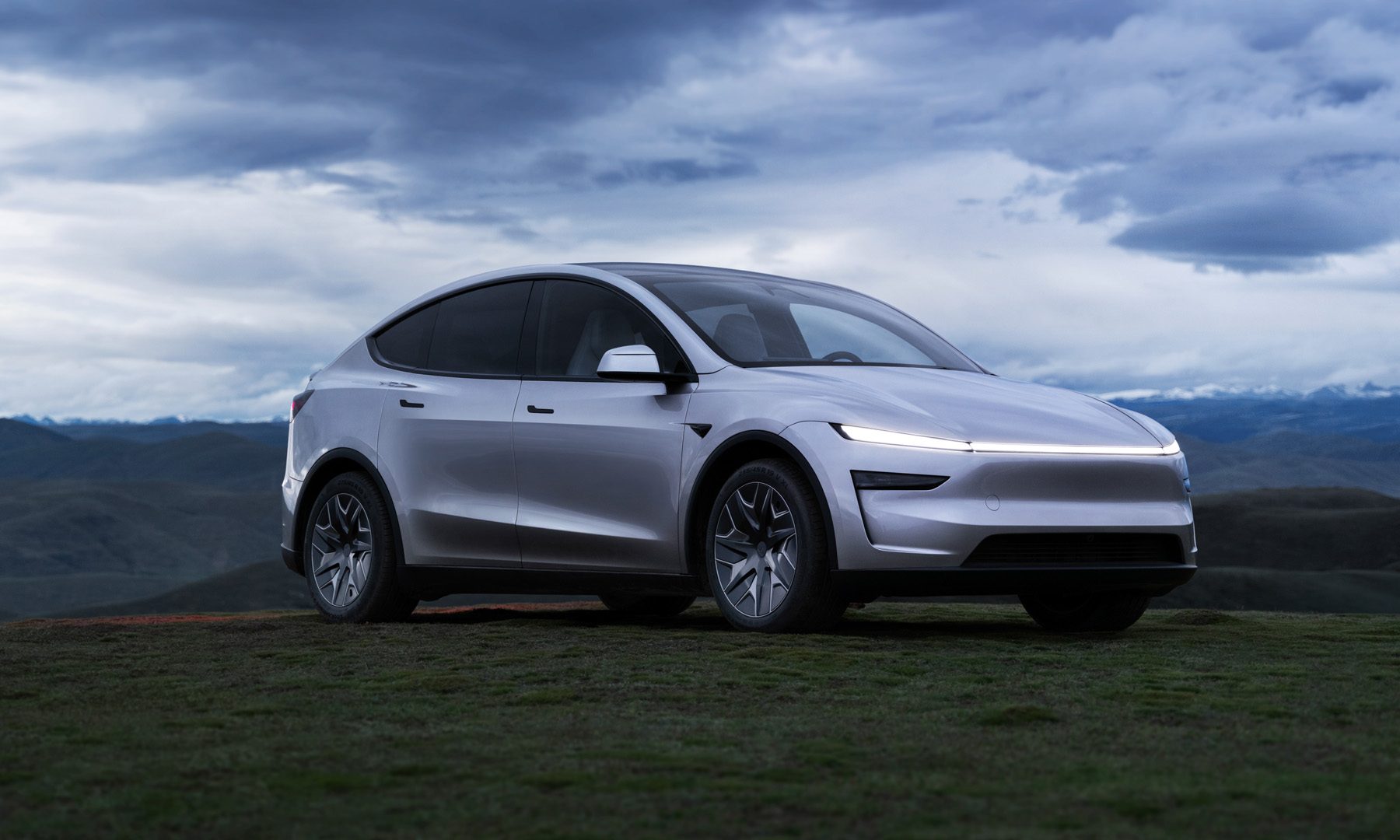
Tesla Model Y Long Wheelbase Featured

Tesla's electronic door handles have been a safety talking point for years, mostly on Reddit threads and EV forums where people debate whether sleek design is worth the tradeoff when a car is on fire and power is out. 

Now the US government has formally weighed in (via The Washington Post). The outcome, I’d say, is bigger than most people think.

Read more