1. Home
  2. Cars
  3. Emerging Tech
  4. Legacy Archives

Volvo’s 2015 XC90: A 400 hp plug-in hybrid built for hauling kids, a dog, and about 20 airbags

Add as a preferred source on Google

Volvo hasn’t released a truly new XC90 in just over a decade, but that’s about to change. And the new one, due out in late 2014, is going to come with some pretty advanced tech.

The most significant of the tech advancements will be the plug in-hybrid options available across the entire range. These electric powertrains will be mated to either a turbocharged four-cylinder, V6, or the same V8 that is available in the current generation.

Recommended Videos

For the most family-friendly of crossovers, power should be shockingly high. According to Drive.com the gas engine alone should produce up to 300 horsepower, with the electric motors potentially goosing this figure to over 400 hp.

With that kind of grunt, your kids will never be late for soccer practice again. Though, they may be suffering from whiplash and posttraumatic stress.

Unfortunately, behind all this exciting news is some real disappointment. We won’t be getting the diesel plug-in hybrid that is currently available on the European V60. That turbocharged five-cylinder diesel-electric combo will pull the V60, three kids, a dog and about 20 airbags from 0-60 in just 6.1 seconds.

This performance does come at something of a cost because it averages just 129 mpg, which is more than twice what you get in a Prius. Plus, the V6 PHEV has two more seats and a bigger trunk than the Prius. With performance and efficiency numbers like that, I can see why Volvo didn’t even bother bring it Stateside.

Sadly, the gas/electric XC90 we will be getting in the United States is only rated at 119 mpg.

This impressive performance and economy will be mated to new, aggressive styling that Volvo hopes will help break the company’s boring conservative image.

We may have waited a long time for the new XC90, but, even without the amazing diesel powertrain, it looks like it will have been worth the wait.

(Main Photo Credit: Porscheofthevillage)

Peter Braun
Former Digital Trends Contributor
Peter is a freelance contributor to Digital Trends and almost a lawyer. He has loved thinking, writing and talking about cars…
Polestar forced to exit the US market. It’s a shame we won’t see its refined design anymore
Boring EVs caught a break as Americans lose Polestar
polestar-3-ev

Polestar, the Swedish EV brand controlled by China’s Geely, has been denied authorization under the US Connected Vehicle Rule. As a result, it will not be able to sell vehicles in the US from the 2027 model year onward. The company is not disappearing from American roads overnight. Polestar says it will continue selling existing US inventory of the Polestar 3 and Polestar 4, and current owners will still have access to service support. But for future models, the door is effectively closing unless something changes.

Polestar 3

Read more
The Wild West era of robotaxis is starting to end
New global rules could replace patchwork regulation with stricter safety proof for driverless fleets.
Self driving car from Waymo

Robotaxi rules have entered their first global phase. A UN vehicle standards forum has adopted the first international framework for fully autonomous vehicles, giving driverless fleets a common safety baseline across major markets.

The move lands while robotaxis are expanding from test programs into a bigger commercial race. In the US and China, private fleets more than doubled in 2025 to 8,000 vehicles across more than two dozen major cities.

Read more
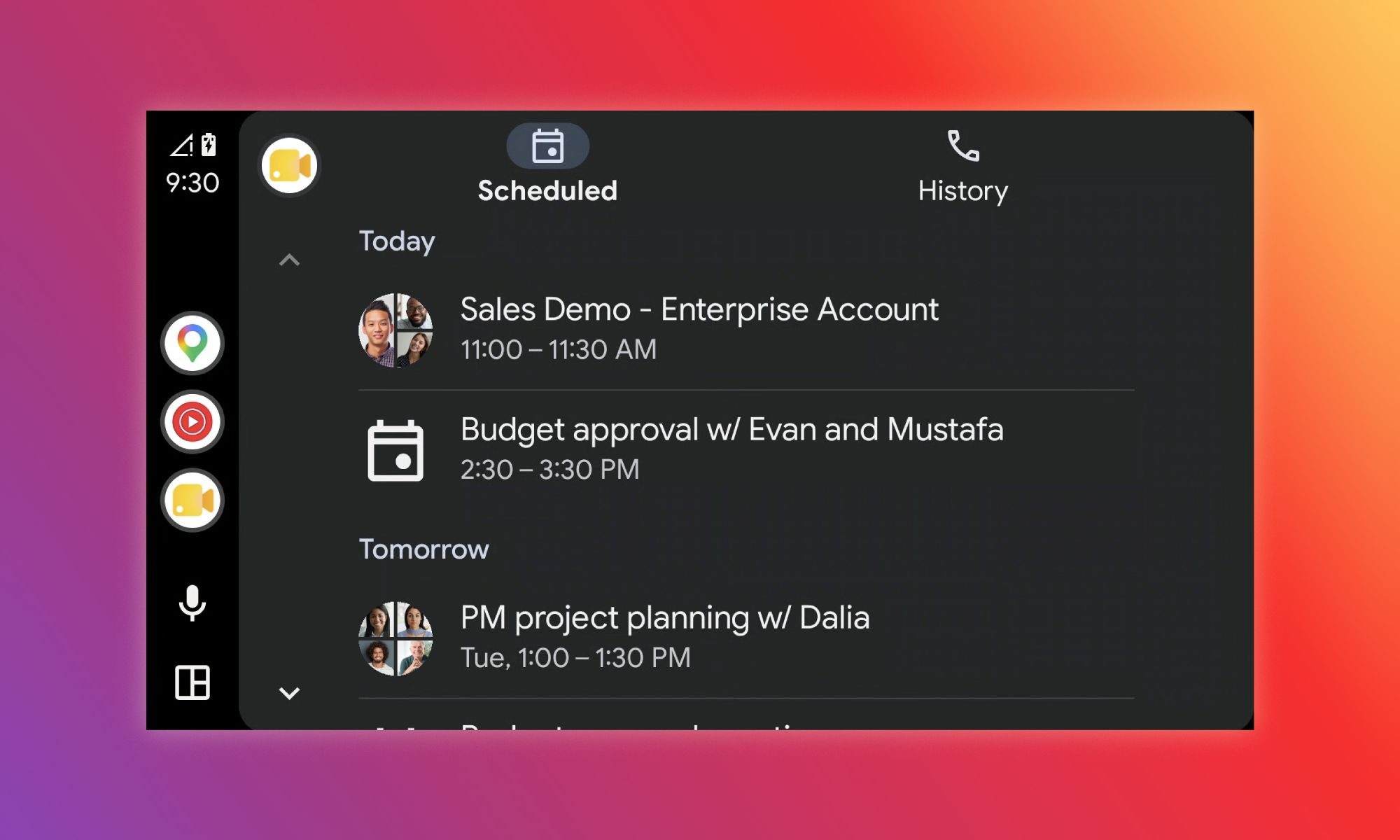
Google Meet finally lands on Android Auto, giving you one less excuse to skip a meeting
Android users can now join scheduled meetings and audio calls from their car's dashboard, catching up to what iPhone users have had for months.
Google Meet on Android Auto

Android Auto is finally getting Google Meet, months after the video conferencing app made its debut on Apple CarPlay. Android users can now pull up scheduled meetings and dial recent contacts straight from their car's display instead of reaching for their phone.

How it works behind the wheel

Read more