  1. Home
  2. Cars
  3. Photo Galleries
  4. News

Nissan will produce 17 examples of its 600hp Juke-R 2.0 for the world’s richest princes

Add as a preferred source on Google

Nissan has announced that it will build 17 examples of the second-generation crazy-pill known as the Juke-R 2.0. The blend of Juke crossover and GT-R sports car made its conceptual debut at the Paris Motor Show in 2012 with 545 horsepower from the GT-R’s twin-turbocharged 3.8-liter V6.

The latest version turns up the heat thanks to engine updates from the GT-R Nismo, meaning almost 600 horsepower is funneled to all four wheels, along with 481 pound-feet of torque. The Juke-R 2.0 was showcased at the Goodwood Festival of Speed, but Nissan didn’t mention it would make it to production.

Now the Japanese automaker has settled on 17 units, most likely the number of interested, uncomfortably wealthy princes who want to cruise around town in the world’s most unapologetically fire-breathing compact crossover.

Performance specifications are a mystery at this point, but with more power on tap, the Juke-R 2.0 should hit 60 mph quicker than its predecessor’s 3.7-second sprint and will top out somewhere above the original’s 160 mph limit.

For comparison’s sake, the Porsche Cayenne Turbo S makes 550 horsepower and does 0 to 60 mph in 4.0 seconds while the BMW X5 M develops 567 HP and takes about the same amount of time to hit 60 mph. Perhaps only the upcoming Jeep Grand Cherokee SRT Trackhawk with its proposed 707 HP will accomplish the jog to 60 mph in less time than the Juke-R 2.0, but the Nissan will undoubtedly conquer the Jeep in the corners.

Pricing for the 2016 Juke-R 2.0 has yet to be announced, but considering the first version fetched $590,000, expect the new model to cost a fair bit more.

Miles Branman
Miles Branman doesn't need sustenance; he needs cars. While the gearhead gene wasn't strong in his own family, Miles…
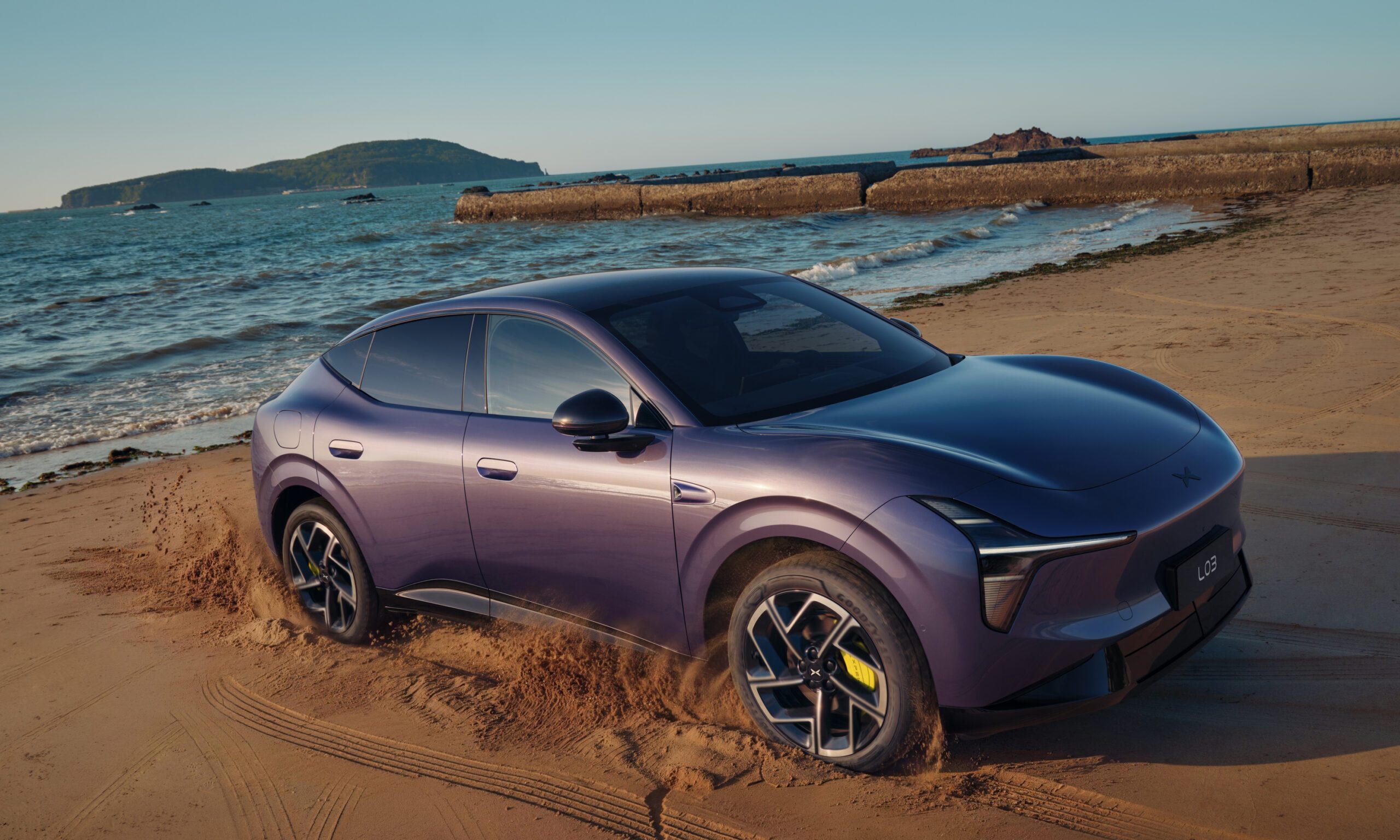
This sleek Chinese EV pairs supercar styling with three AI brains
The Xpeng L03 is an AI supercomputer disguised as a stylish family SUV
Xpeng L03

Xpeng’s latest electric vehicle carries enough processing power to make the term "smart car" actually sound more realistic than it actually is. The new Xpeng L03 debuted simultaneously in Europe and China on July 16, with the company presenting it across 65 markets. Available as a fully electric vehicle and an L03 Power X range-extender, the coupe-SUV is Xpeng’s most internationally focused model so far. Market-specific prices and sales dates remain unannounced.

Three AI chips and Google Maps built right in

Read more
A new sodium battery posts wild four-minute charging numbers, but don’t expect it in an EV yet
The breakthrough could improve fast charging and battery life, but the study hasn’t demonstrated those results in a production-sized pack
EV Charger

A new sodium-metal battery has posted a charging number that makes today’s EVs look painfully slow. In laboratory testing, the cell operated at a 15C rate, equivalent to completing a charge or discharge in roughly four minutes.

That doesn’t mean researchers plugged in an electric car and watched it fill up before the driver finished buying coffee. The result came from a small experimental cell using a new quasi-solid electrolyte, while the larger pouch-cell prototype delivered far less dramatic performance.

Read more
The Apple Car may be dead, but it became the foundation of Apple Intelligence
A decade of work on a canceled car project reportedly laid the groundwork for Apple Intelligence.
Apple Intelligence in Apple Car

The Apple Car may have never left the garage, but it apparently gave birth to Apple's AI ambitions. According to Bloomberg's Mark Gurman, Apple's canceled autonomous vehicle project, one that consumed more than a decade of work and over $10 billion before being scrapped in 2024, ended up laying the technological foundation for Apple Intelligence. In a rather ironic twist, one of Apple's most expensive failures may also become one of its most important long-term investments.

The Apple Car forced Apple to think like an AI company

Read more