  1. Home
  2. Computing
  3. Legacy Archives

Adobe Issues Security Updates for Flash, Warns on Adobe Reader

Add as a preferred source on Google
Image used with permission by copyright holder

Security problems don’t just impact operating systems and Web browsers: any software that has a broad user base is going to be targeted by cybercriminals and attacks. Now Adobe has released a large patch to deal with security problems in Flash Player designed to mitigate attacks already being used “in the wild” on the Internet, and is urging all users to update their software as soon as possible. However, Adobe Reader and Acrobat updates won’t be available until the end of the month—if they want protection, they’ll have to manually remove a DLL from their software installations.

The problems addressed by the updates impact Adobe Flash Player 10.0.45.2 and earlier for Windows, Linux, Mac OS X, and Solaris; Adobe AIR 1.5.3.9130 and earlier for Windows, Mac OS X, and Linux; and Adobe Reader and Adobe Acrobat 9.x for Windows, Mac OS X, and Unux. (Adobe Reader and Acrobat 8.x aren’t impacted.) The update fixes some 32 vulnerabilities in Flash.

Recommended Videos

Adobe recommends users of Flash 10.0 update to Flash 10.1.53.64 from Adobe’s Flash Download Center; folks who can’t update to Flash 10.1 can also get a patched version of Flash Player 9.0.227.0.

Adobe expects to patch Adobe Reader and Acrobat 9.x by the end of June; in the meantime, users can mitigate the vulnerability by removing the AuthPlayLib.dll from the application; Adobe provides instructions for Mac OS X, WIndows, and Unix in a security bulletin. However, it must be noted that the Reader/Acrobat problem is already being exploited on the Internet, and folks who use the application would be well-advised not to wait until late June for an update from Adobe.


Geoff Duncan
Former Contributor
Geoff Duncan writes, programs, edits, plays music, and delights in making software misbehave. He's probably the only member…
Lenovo’s new gaming laptop is the first to feature a 240Hz inkjet-printed OLED display
TCL’s inkjet-printed OLED technology finally reaches a commercial laptop through Lenovo
Computer, Electronics, Laptop

TCL has spent years saying inkjet-printed OLED could improve image quality, efficiency, lifespan, and manufacturing costs. Back in 2024, the company was still showing prototype laptop panels and promising a “comprehensive breakthrough” once the technology was ready for commercial products.

Two years later, it has finally arrived in a gaming laptop. Lenovo’s new Legion R9000P uses a 16-inch panel that TCL CSOT describes as the world’s first inkjet-printed OLED display integrated into a laptop.

Read more
This new Mac malware won’t let you use your computer until you surrender your password
This Mac malware turns your own computer against you
AI Generated Image

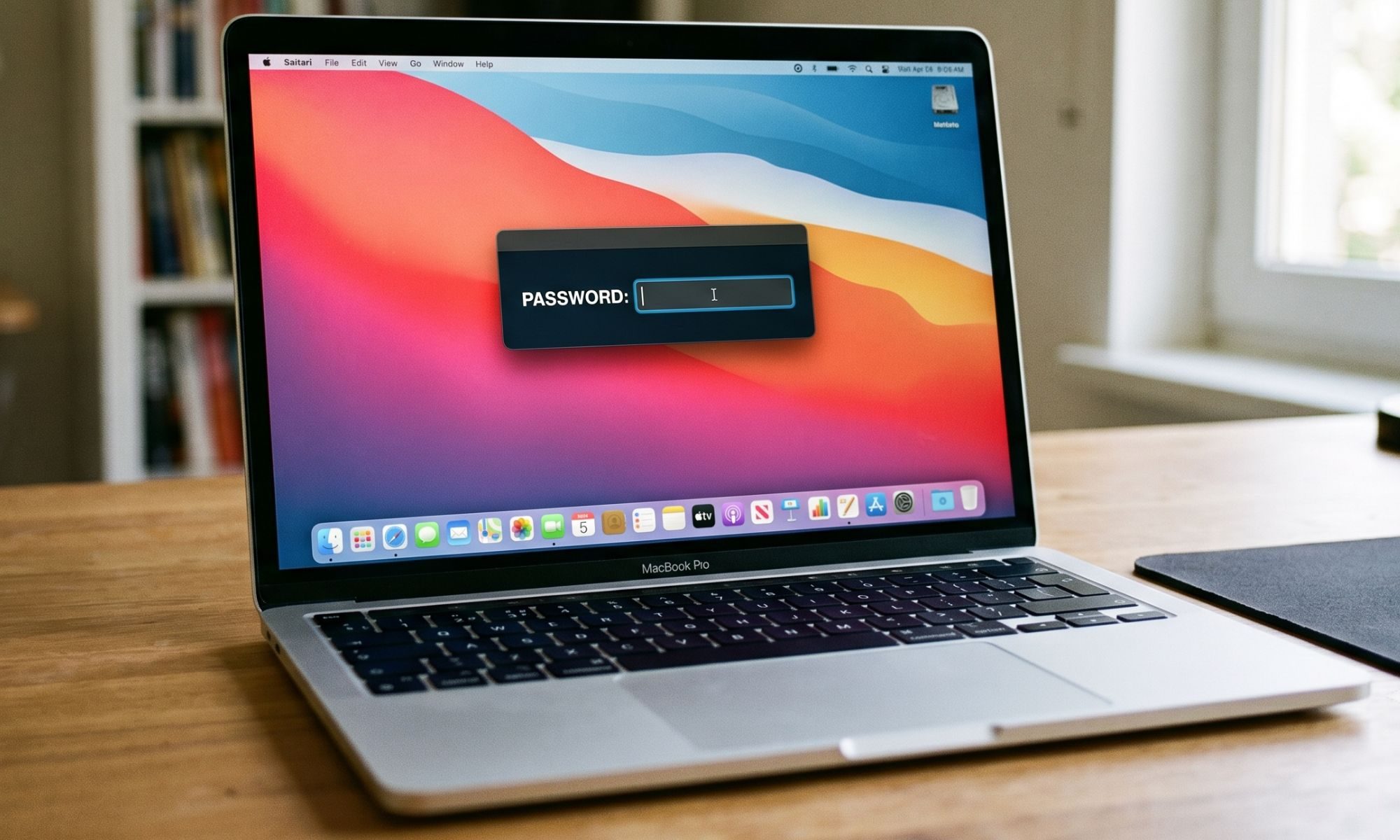
A newly discovered strain of macOS malware is taking social engineering to an unsettling new level. Instead of exploiting a software vulnerability or silently stealing information in the background, it simply refuses to let you use your Mac until you type in your login password.

Dubbed ClickLock, the malware repeatedly shuts down key macOS processes, disables notifications, displays convincing Apple password prompts, and effectively traps users in a loop that only ends when the correct password is entered. Once that happens, it doesn't just steal the password. It goes after browser data, cryptocurrency wallets, saved credentials, password managers, and much more.

Read more
1Password lets Claude inside your accounts without handing over the keys
Claude can now sign in on your behalf while your password stays hidden, though trusting it after login is a separate decision
1Password official

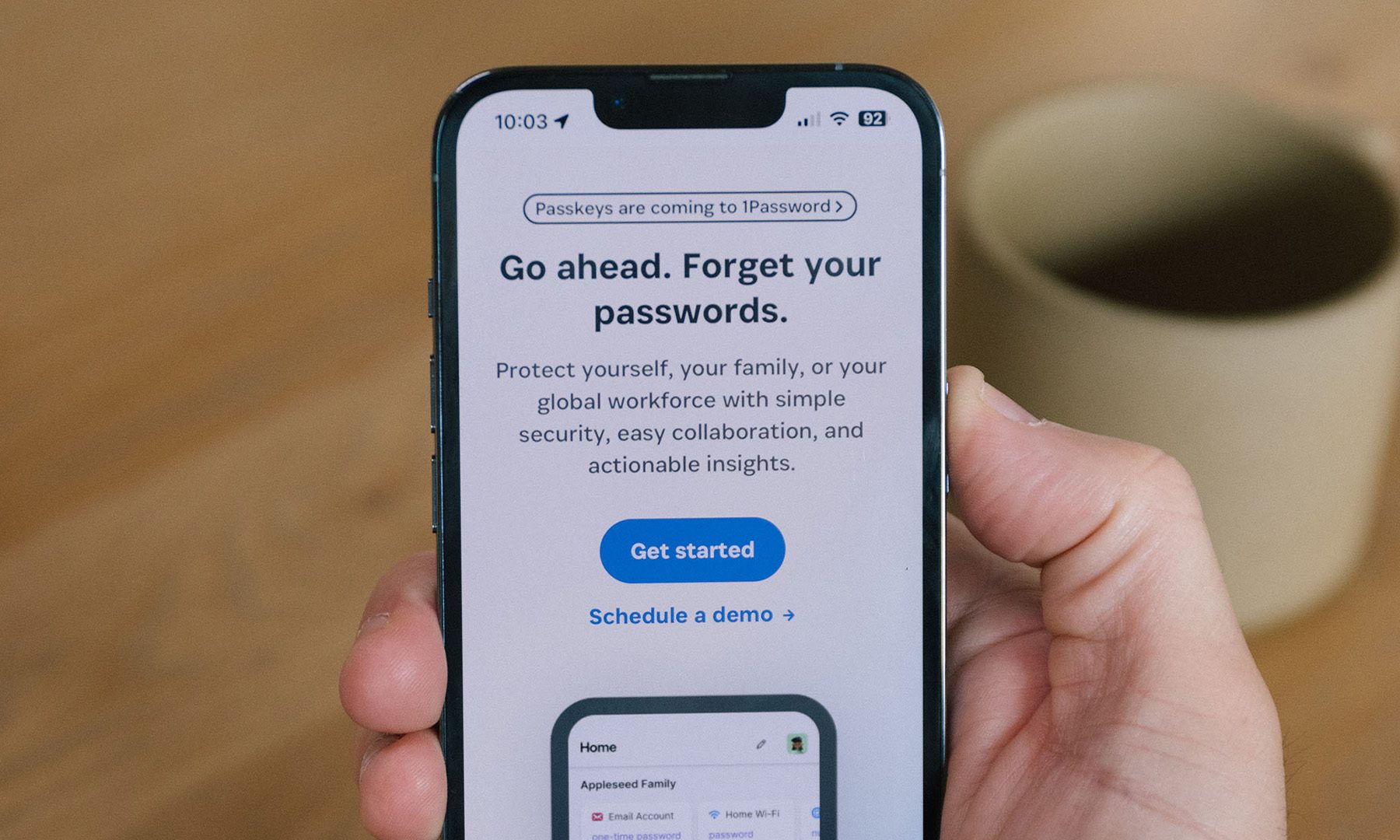
1Password is giving Claude a way into your online accounts without making your passwords part of the bargain. The new 1Password for Claude integration can fill login details while keeping the credentials hidden from Anthropic’s AI agent.

Available now on Mac, the feature kicks in when Claude reaches a sign-in page during a task. Claude requests a saved login, then you approve or deny it. If approved, 1Password submits the credentials through a separate encrypted channel. Passwords and one-time codes never enter Claude’s context or Anthropic’s systems.

Read more