1. Home
  2. Computing
  3. Mobile
  4. News

Multi-window Android on an Alcatel all-in-one? Meet the Xess 17

Add as a preferred source on Google
MWC 2026
Read our complete coverage of Mobile World Congress

The Phoenix OS, which turns Google’s Android platform into something that works well on desktop, has found itself a hardware partner in Acatel. Together they’ve launched the Xess 17, an all-in-one PC that runs the Android-based operating system and offers desktop features like multi-window support and a taskbar.

All of that is contained in quite a smart little package. The Alcatel Xess features a slimline silver chassis with a built-in stand, containing a 17.3-inch, 1080p, IPS-touchscreen display, a MediaTek MT8783T octa-core CPU, 2GB of RAM and 32GB of storage (as per Liliputing).

Recommended Videos

All of that is powered by a 10,000mAh battery which makes the system portable, and there’s even a stylus clipped behind the stand for those who prefer a digital pen.

To give people an idea of how it all runs, Alcatel brought along the all-in-one to Mobile World Congress, the first time the hardware has run Phoenix OS in public. Despite the interesting CPU choice, reports state that the Xess runs well and should offer an interesting option for those looking for a compact system that doesn’t run Windows or OSX.

With an intended launch sometime in the second quarter of 2016, we still don’t have much word on pricing. However, we do know that the European release will come later, so our friends across the pond will have a bit longer to wait to get their hands on it.

Of course Phoenix isn’t the only operating system that makes Android a little more user friendly for those looking for a desktop experience. We previously looked at Remix OS which offers something quite similar. There are even options to get it running on the miniature Jide systems. Don’t expect the performance to be as strong as this new Alcatel piece of kit, but the option is there at least.

Jon Martindale
Jon Martindale covers how to guides, best-of lists, and explainers to help everyone understand the hottest new hardware and…
TSMC might set up a price hike that could come straight for your next phone, laptop, or tablet
Here's what TSMC's rumored 10% chip price increase actually means in dollar terms, and why your next phone or laptop could end up costing more.
TSMC Fab

My wallet flinched the second I saw the words "TSMC" and "price increase" in the same headline, and honestly, yours should too.

Turns out the company behind the silicon powering basically every flagship device out there, including Apple’s A-series and Qualcomm’s Snapdragon processors, is reportedly about to make all of it a little pricier.

Read more
Apple fixes Hide My Email bug that exposed users’ real email addresses
Here's how Apple's Hide My Email flaw leaked real addresses for over a year, and why it only got fixed once the story went public.
apple-merging-sign-in-with-apple-hide-my-email-icloud+

Turns out the "Hide" part of Hide My Email wasn't doing its job quite as advertised, something that I covered early in July. Security researcher Tyler Murphy reported the flaw in June 2025, but despite Apple claiming it was resolved in March 2026, independent tests confirmed it remained exploitable, at least until July 3, 2026.

So how did this bug actually work?

Read more
Gemini Notebook’s new Collections arrive just as Google turns it into a bigger workspace
Google is cleaning up notebook organization as the former NotebookLM expands across Gemini and Search
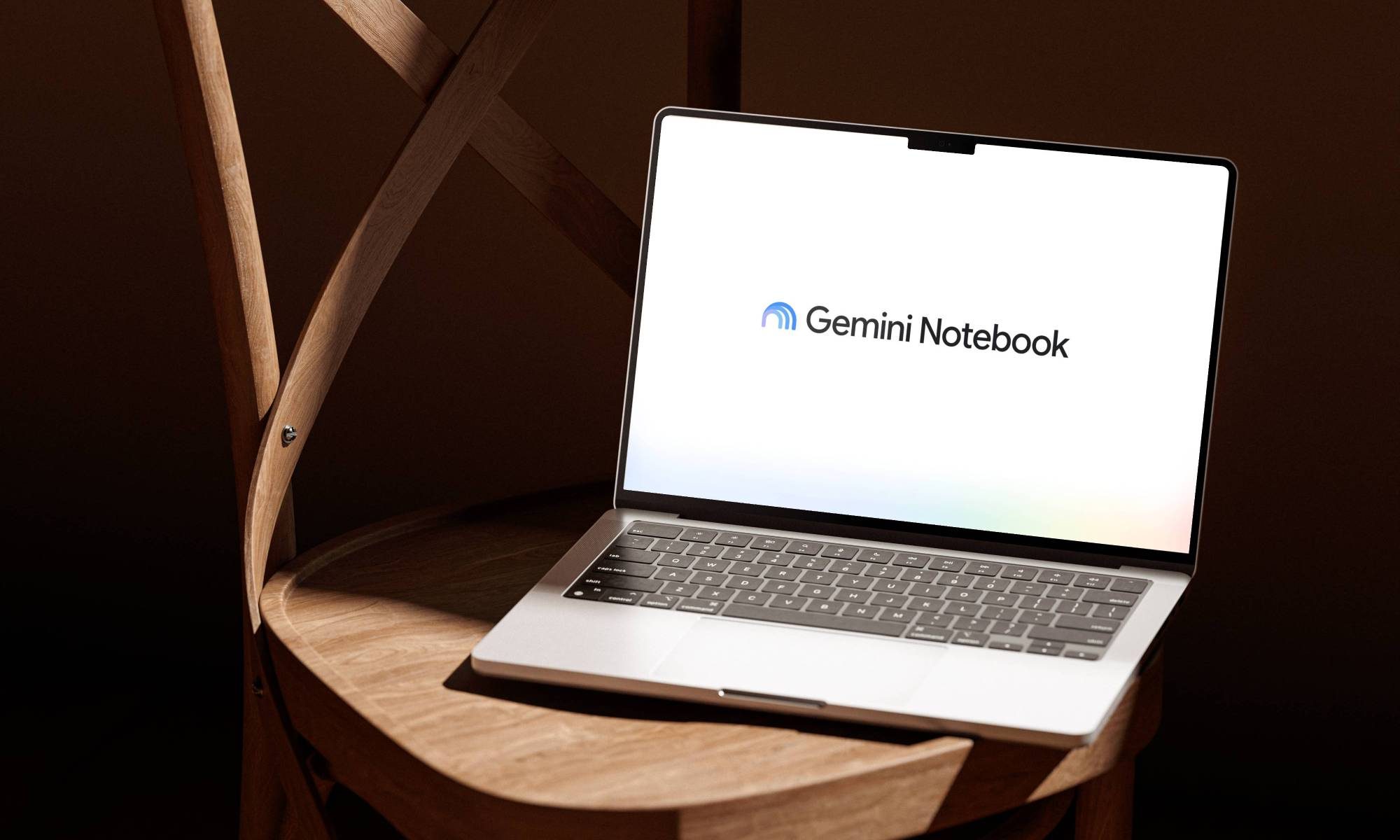
Gemini Notebook branding on a MacBook

Google has barely finished renaming NotebookLM, and it’s already addressing one of the headaches that comes with building a large research library.

Collections are rolling out to all Gemini Notebook users, giving them a way to group related notebooks while keeping everything visible under My Notebooks. The dashboard gets some structure without asking users to rearrange the library they’ve already built.

Read more