1. Home
  2. Computing
  3. Gaming
  4. News

GPUOpen puts game developers in control of system hardware

Add as a preferred source on Google

AMD has announced a new program intended to help game developers get the most out of PC hardware, which will be rolled out next year under the moniker GPUOpen. The company states that the project is a continuation of the same strategy that produced Mantle in conjunction with Star Wars Battlefront developer DICE.

GPUOpen is being designed to give developers better control over a system’s GPU, in an attempt to replicate some of the benefits of low-level access that have proven to be advantageous in the console sphere. AMD describes this as ‘close-to-the-metal’ programming.

Recommended Videos

In tangible terms, developers can expect to receive direct access to GPU hardware, as well as a host of open source resources. Open source SDKs, effects and libraries will all be made available directly from AMD, and the company states that the ‘superior tools’ offered up by the community will offer significant advantages during development.

GPUOpen will be accompanied by a new compiler for heterogenous computing. AMD’s new Boltzmann Initiative — named for the 19th Century Austrian physicist — will apparently expand the breadth of developers able to take advantage of heterogeneous systems architecture further than ever before.

AMD is also reaffirming its commitment to Linux, announcing a new open source driver and system runtime for the OS. The driver has been developed with High-Performance Computing in mind, and offers peer-to-peer GPU support, as well as low latency compute dispatch and PCIe data transfers.

It’s expected that AMD will begin distributing samples and libraries to interested parties in early 2016, and an early access program for the Boltzmann Initiative is also scheduled to begin towards the beginning of next year. Developers interested in using GPUOpen are advised to wait for further updates on the project from AMD in the coming months.

Brad Jones
Brad is an English-born writer currently splitting his time between Edinburgh and Pennsylvania. You can find him on Twitter…
ChatGPT will now remind teens to take breaks and give parents more controls
New parental controls include Quiet Hours, Study Mode defaults, and alerts for serious account violations.
chatgpt-teen-safety-features

OpenAI wants to make ChatGPT safer for teens, and the changes go well beyond a simple content filter. In a new update, the company laid out its stance on why teens should have access to AI in the first place, arguing that keeping them away from it entirely would leave them unprepared for one of the defining technologies of their generation.

Nearly 90% of teens already use ChatGPT weekly for learning, research, or getting organized, which is why OpenAI says access needs to come paired with real protections built for their age.

Read more
ChatGPT’s new search tool saves you from digging through old chats, files, and images
You can also filter ChatGPT search results by content type.
chatgpt-new-search

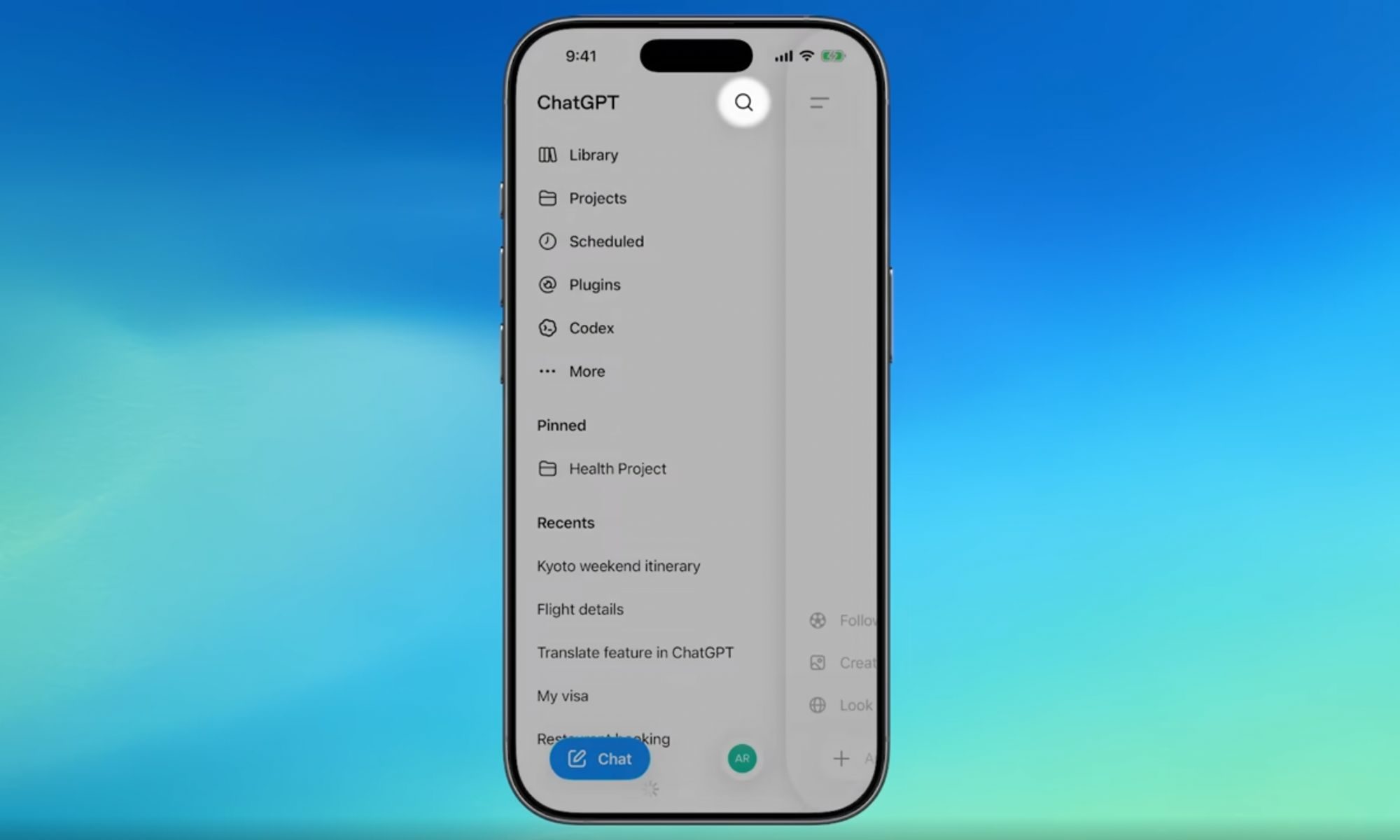
If you have ever lost a great ChatGPT answer somewhere in your endless chat history, that headache is finally over. OpenAI has rolled out a major search upgrade that lets you find old chats, projects, documents, and images all from one place.

Before this update, the sidebar search only pulled up past conversations, leaving uploaded files, projects, and generated images completely out of reach. The new search option is now available across web, iOS, and Android, on every ChatGPT plan, including free accounts.

Read more
You can now link your favorite apps to AI Mode in Google Search to get things done
AI Mode now works with Instacart, Canva, and YouTube Music inside Search.
google-search-ai-mode-connect-apps

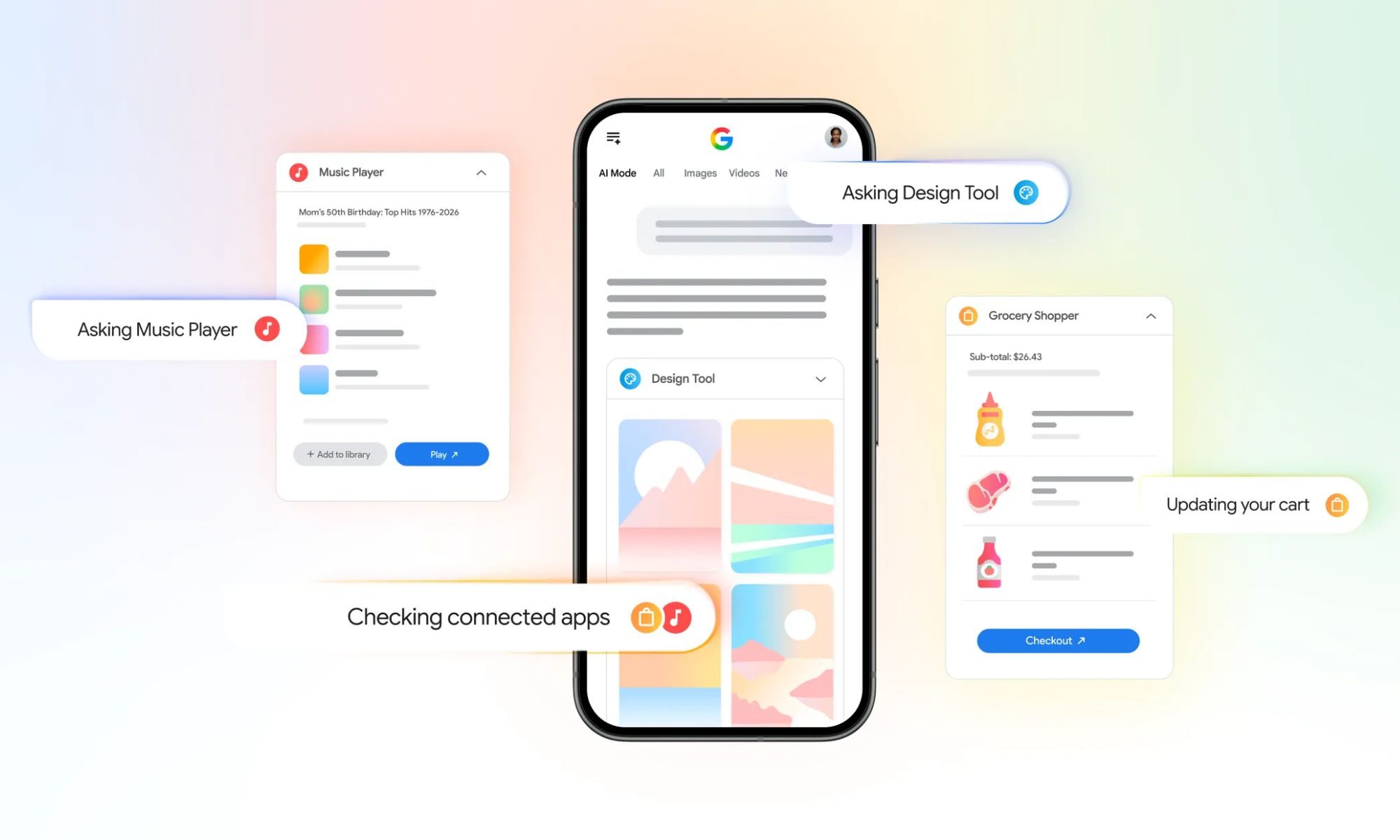
Google is making AI Mode in Search more useful by letting you connect third-party apps. Starting this week in the US, you can securely connect some of your go-to apps directly to AI Mode, letting Search actually complete tasks for you instead of just answering questions.

This update builds on a similar trick Google already pulled off inside the Gemini app, and now it is landing in Search itself. The initial rollout includes three launch partners, Instacart, Canva, and YouTube Music, with Google saying more app integrations are on the way.

Read more