  1. Home
  2. Computing
  3. News

Gigabyte releases a strange driver for AMD Ryzen 7 5800X3D

Add as a preferred source on Google

AMD’s upcoming gem, the Ryzen 7 5800X3D, has just received a surprising driver from Gigabyte, called the 3D V-Cache Performance Optimizer Driver.

What’s surprising is that AMD hasn’t said anything about this driver, nor did it mention that such an optimizer would be needed in the first place. The update is also only available to Windows 10 users.
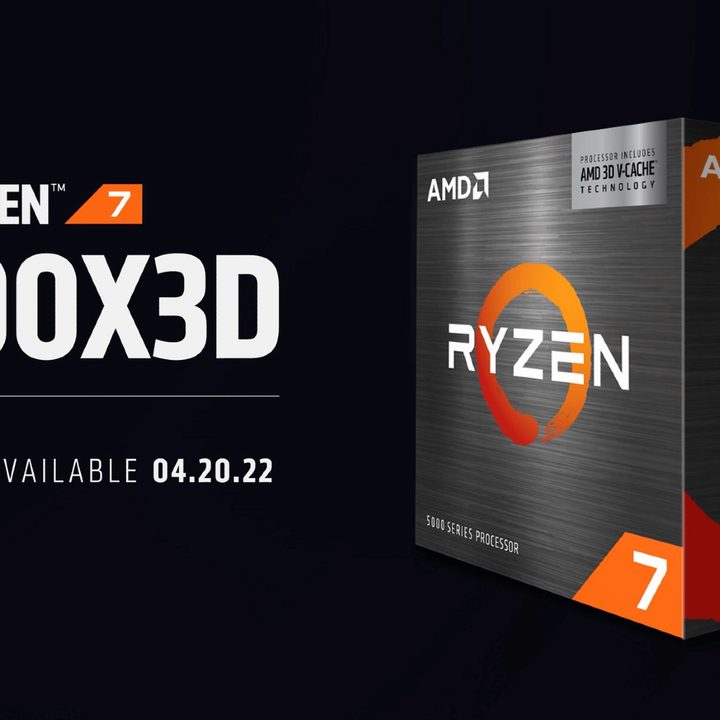
Image used with permission by copyright holder

The new AMD Chipset driver (4.03.03.624) from Gigabyte applies to some of its motherboards. It introduces a sub-driver made specifically for the upcoming AMD Ryzen 7 5800X3D. Made to “optimize” the 3D V-Cache, the driver is really rather a curious addition, especially considering that AMD has made no mention of it yet.

Recommended Videos

According to previous information shared by AMD, the new processor, although innovative in its architecture, is not supposed to require any special software in order to run. To the system, the 3D V-Cache is just like any other L3 cache, it’s just much larger than what other CPUs usually offer. A BIOS update was supposed to suffice in order to make the Ryzen 7 5800X3D perform as intended on existing motherboards.

Considering that, a BIOS update would make sense, but to find a new 3D V-Cache optimizer driver is something else entirely. Beyond the name of the driver, no information has been shared as to what it actually does. According to Tom’s Hardware, up until now, AMD and Intel didn’t need any optimizing drivers for the L3 cache specifically.
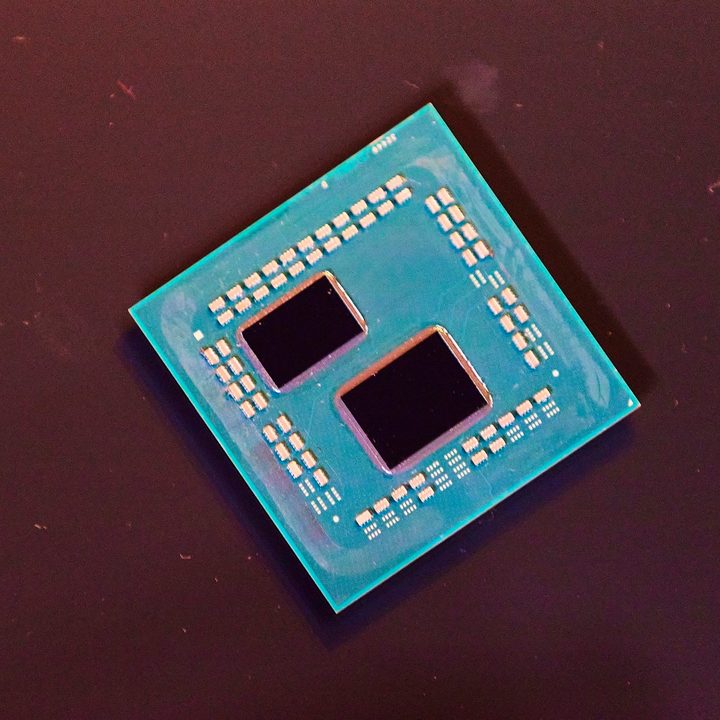
AMD Ryzen 7 5800X3D chip.
Image used with permission by copyright holder

It’s also strange that the driver is a Windows 10-exclusive, implying that Windows 11 already has all the optimization it needs to make the most of AMD’s 3D V-Cache technology. For such a driver to exist, AMD would have had to cooperate with Microsoft, but AMD still hasn’t released the driver on its own website.

The fact that the driver is only made available for Windows 10 can be explained by the improvements brought by Windows 11. The operating system was already optimized to support hybrid processors such as Intel Alder Lake, so it’s possible that Microsoft also made some improvements to the way the L3 cache is handled by Windows 11.

However, as we don’t know what Gigabyte’s mysterious driver actually does, it’s hard to say with any certainty why exactly it’s required in Windows 10 but not in Windows 11.

The upcoming AMD Ryzen 7 5800X3D is going to be the first consumer-level processor to feature the 3D V-Cache, bringing L3 cache size to a whopping 96MB. It also comes with eight cores and 16 threads as well as clock speeds reaching up to 4.5GHz. It won’t support overclocking.

Alongside the Ryzen 7 5800X3D, AMD is set to release several other current-gen processors. All of these CPUs are going to hit the market on April 20.

Monica J. White
Monica is a computing writer at Digital Trends, focusing on PC hardware. Since joining the team in 2021, Monica has written…
Some Googlebooks can play HDR. Others are oddly stuck without it
Some $1,000-plus Googlebooks can’t play HDR video. Google says it’s fixing that
Trying out the HP Googlebook at Snapdragon Summit Hands On Featured Image

Googlebook is supposed to be Google's premium answer to the modern laptop. And yet, some of these premium notebooks don't support something as basic as HDR. Owners of the new HP Googlebook 14 and Dell XPS Googlebook have reported that their machines currently aren't offering HDR playback.

The issue first surfaced in a Reddit thread (via AndroidAuthority) after an HP owner noticed that HDR-compatible YouTube videos weren't displaying the usual HDR badge. Another Dell XPS Googlebook owner subsequently reported the same behavior. Google has now confirmed that this isn't simply users missing a setting.

Read more
Apple says switching to Safari could add 5 hours to your MacBook’s battery life
Apple is making its case against Chrome with claims of longer battery life, faster page loads, and better privacy.
Safari logo on MacBook

Apple has never been shy about promoting its own apps, but its Switch to Safari campaign takes things a step further. The company has set up a dedicated page that pits Safari against Chrome, and to no one’s surprise, Apple’s comparison chart gives Chrome a “No” on every row.

Why does Apple think Safari is better?

Read more
Ask YouTube expands to mobile, web, and TVs across the US
YouTube’s AI search is now available across all major screens.
Ask YouTube on TV and desktop

Searching for something online by simply describing what you want is becoming pretty normal now. Google Search can do it. ChatGPT can do it. And YouTube has been slowly turning its own search box into something that works in a similar fashion.

YouTube has now announced a wider rollout for Ask YouTube, its conversational AI search tool. The feature is available to users in the U.S. across the web, mobile devices, and TVs. Mobile is the newest addition here, after Ask YouTube previously expanded to the web and smart TVs. Instead of putting a few keywords into the search bar, you can ask YouTube a complete question, describe what you are looking for, and then refine the results using follow-up questions.

Read more