1. Home
  2. Computing
  3. Web
  4. News

Comcast raises the data caps, but warns it may be heading elsewhere

Add as a preferred source on Google

Comcast has been rolling out 300GB data caps in trial cities all across the United States, and the response has been less than stellar. Understandably, users aren’t very excited about being able to all of a sudden use less of a service than when they signed up. Comcast has heard the complaints, and announced today that all data-capped customers will no longer be limited to 300GB, because the cap is now one terabyte.

To be fair, one terabyte is an awful lot of data. Comcast quantifies this in a few different ways, explaining that “You can stream about 700 hours of HD video, play 12,000 hours of online games, and download 60,000 high-res photos in a month.”

Recommended Videos

It’s also more than 99 percent of Comcast’s user base, which should help those who aren’t clear on bandwidth usage sleep at ease. Furthermore, Comcast says the average customer uses just 60GB of data in a month. While it’s easy to see how heavy users could reach 300GB, one terabyte would be an impressive feat.

Before, users that wanted a truly unlimited data plan had to pay an extra $30 for a privilege. Under the new one terabyte cap, the unlimited plan is now $50, or $10 a piece for 50GB chunks.

Of course, this new change only applies to cities and markets that are already part of Comcast’s data-cap trial program. If you don’t live in one of those areas, nothing is changing about your service, at least yet.

Comcast made sure to mention in the blog post about the change that the company is committed to listening to its users. While I think most of them would agree that removing the data cap altogether would be ideal, raising it to a sky-high rate is a solid start.

But it’s not all good news, as the blog post ends in an ominous tone. “We’re currently evaluating our plans to roll this out in other markets, we’ll keep listening – and we’ll be open to making further changes in the future to deliver the best high-speed data service to our customers.”

If you want to keep data caps off your service, make sure Comcast knows about it, before we’re all stuck under a low-hanging Internet ceiling.

Brad Bourque
Brad Bourque is a native Portlander, devout nerd, and craft beer enthusiast. He studied creative writing at Willamette…
TSMC might set up a price hike that could come straight for your next phone, laptop, or tablet
Here's what TSMC's rumored 10% chip price increase actually means in dollar terms, and why your next phone or laptop could end up costing more.
TSMC Fab

My wallet flinched the second I saw the words "TSMC" and "price increase" in the same headline, and honestly, yours should too.

Turns out the company behind the silicon powering basically every flagship device out there, including Apple’s A-series and Qualcomm’s Snapdragon processors, is reportedly about to make all of it a little pricier.

Read more
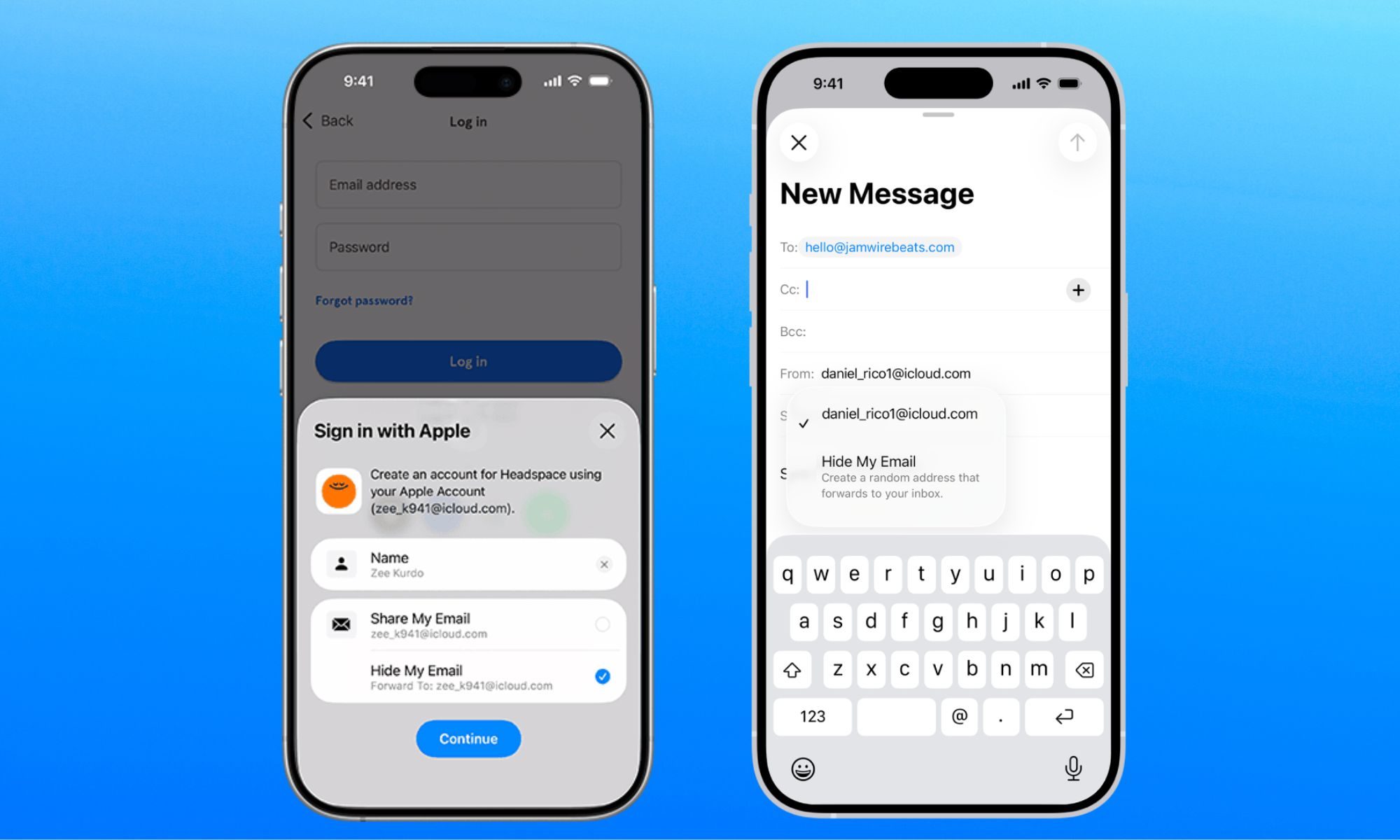
Apple fixes Hide My Email bug that exposed users’ real email addresses
Here's how Apple's Hide My Email flaw leaked real addresses for over a year, and why it only got fixed once the story went public.
apple-merging-sign-in-with-apple-hide-my-email-icloud+

Turns out the "Hide" part of Hide My Email wasn't doing its job quite as advertised, something that I covered early in July. Security researcher Tyler Murphy reported the flaw in June 2025, but despite Apple claiming it was resolved in March 2026, independent tests confirmed it remained exploitable, at least until July 3, 2026.

So how did this bug actually work?

Read more
Gemini Notebook’s new Collections arrive just as Google turns it into a bigger workspace
Google is cleaning up notebook organization as the former NotebookLM expands across Gemini and Search
Gemini Notebook branding on a MacBook

Google has barely finished renaming NotebookLM, and it’s already addressing one of the headaches that comes with building a large research library.

Collections are rolling out to all Gemini Notebook users, giving them a way to group related notebooks while keeping everything visible under My Notebooks. The dashboard gets some structure without asking users to rearrange the library they’ve already built.

Read more