1. Home
  2. Computing
  3. News

Dell XPS 13 gets 14 percent better battery life with latest BIOS update

Add as a preferred source on Google

Dell has made a new BIOS update available for its XPS 13 laptops, specifically those with the model No. 9360. Among the standard bug fixes, the update offers one particularly attractive upgrade: A stark improvement to the system’s battery life.

Version 1.2.3 of the laptop’s BIOS apparently offers up to 14 percent better battery life than the previous iteration, according to a report by Windows Central. The benefit is particularly noticeable while streaming video, either via an online service like Netflix or from a local source.

Recommended Videos

The improvement has been made by tweaking the way that the system processes audio. Rather than relying on the CPU, the laptop will now utilize its digital signal processor for the task, which puts far less strain on the battery.

The XPS 13 was praised for its solid battery life when Digital Trends reviewed the device in November 2016. Based on these further improvements, the system looks to be an even more attractive option for users who need a laptop that can go the distance.

Other components of the 1.2.3 BIOS update include fixes to issues relating to the Dell Thunderbolt Dock, and the absence of a taskbar option for safe removal of a USB device. A problem causing systems to hang at the Dell logo while coming out of hibernation mode has also been addressed.

Finally, there’s a tweak that removes the need for users to press their power button more than once to get the laptop to boot after an unusual shutdown.

Owners of the laptop can download the BIOS update directly from Dell via the company’s product support page. It’s recommended that users also download the latest audio driver to take advantage of its improvements to battery life while streaming video, but this isn’t an official requirement.

Brad Jones
Brad is an English-born writer currently splitting his time between Edinburgh and Pennsylvania. You can find him on Twitter…
South Korea wants to give every citizen free, unlimited access to its own AI chatbot
The government-backed service could turn generative AI into public infrastructure instead of another monthly subscription
Electronics, Mobile Phone, Phone

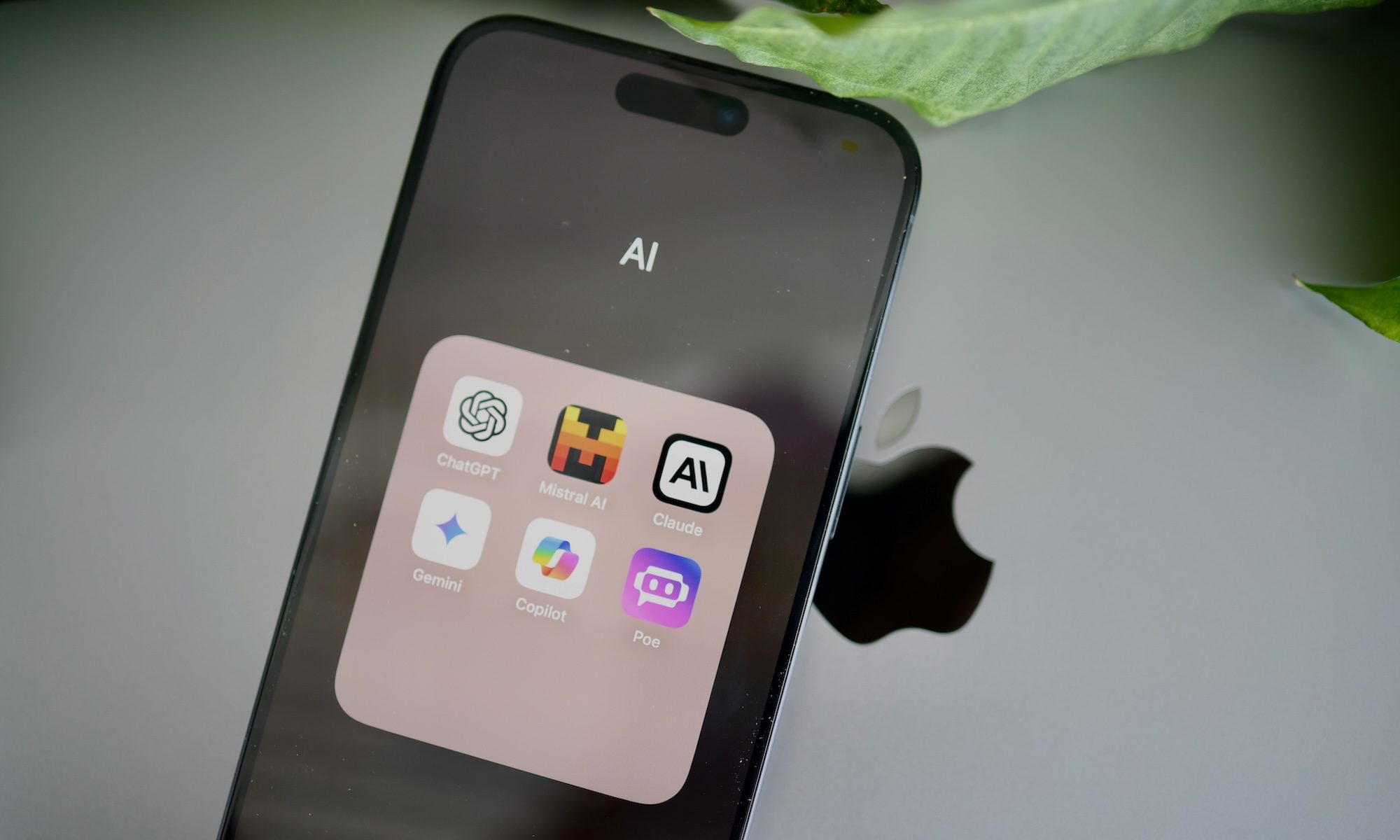
South Korea wants to give every citizen free access to an AI chatbot with no usage limits. That puts the technology closer to a public utility than another premium service demanding a monthly subscription.

The Ministry of Science and ICT announced the AI for Everyone project on July 13. Private companies will build the platform around locally developed models, while a separate AI agent will help people navigate government services. It’s a more practical job than generating emails or settling arguments nobody wanted to research themselves.

Read more
Falling in love with a chatbot is now off limits for kids in China
The crackdown targets emotional AI relationships as regulators worry about the country's record low birthrate.
Replika AI companion app on an iPhone in hand

Ever since AI chatbots arrived on the scene, there has been one aspect that has worried lawmakers and experts a lot: humans forming emotional connections with chatbots. There have been plenty of cases where over-reliance on these AI companions or partners has resulted in medical emergencies, lost lives, and triggered multiple lawsuits against the likes of OpenAI and Meta.

China cracks down on AI companion apps

Read more
Russian hackers keep finding their way into critical networks through neglected routers
A multinational warning says outdated firmware, weak passwords, and insecure settings are giving state-backed attackers an easy opening
A Wi-Fi router next to a laptop.

Russian state-backed hackers have spent more than a decade exploiting a stubborn weakness in critical infrastructure networks. Organizations are still leaving poorly configured and outdated routers exposed to the internet.

In a joint cybersecurity advisory, the NSA, CISA, FBI, and international partners warn that hackers linked to Center 16 of Russia’s Federal Security Service are continuing to target vulnerable networking equipment. Energy, healthcare, and government networks are among the sectors facing the highest risk.

Read more