1. Home
  2. Computing
  3. Gaming
  4. News

Third-party Minecraft community lost 7 million user passwords, and didn’t inform users

Add as a preferred source on Google

Minecraft community Lifeboat has been hit by a major data breach, leading to some 7 million user accounts having hashed passwords and email addresses circulated on the Internet. Worse yet, it seems that the site’s careless approach to security has delayed discovery of the problem, as affected users weren’t notified of the attack.

Despite the site being breached several months ago, staff at Lifeboat avoided making an announcement so the culprits wouldn’t know that the data had a limited shelf life, according to a report from Ars Technica. However, some users are even questioning the site’s claims that it implemented a full password reset.

Recommended Videos

Unfortunately, Lifeboat’s list of errors doesn’t stop there. In a damning set of instructions hosted on its Getting Started guide, new users are instructed to keep their passwords “short, but difficult to guess.” The page goes on to state that “this is not online banking.”

It might not surprise you to learn that this casual approach carried over to security efforts under the hood. Lifeboat was using the MD5 algorithm to conceal plain text passwords, which is a rather outdated form of protection to be using on a modern site.

MD5 was designed in 1991, but even by 1996 some experts were warning that it might be time to start investigating alternative options. The hashes used by Lifeboat were not even salted, a method of adding extra defense against certain attacks by pairing each entry with a randomized value.

All in all, it’s clear that Lifeboat and its users have learned some tough lessons about online security. It’s true that a service that allows you to play Minecraft with your friends is far from online banking — but for any account holders that have a tendency to re-use passwords, the two might be intertwined in a rather troublesome manner.

Brad Jones
Brad is an English-born writer currently splitting his time between Edinburgh and Pennsylvania. You can find him on Twitter…
1Password lets Claude inside your accounts without handing over the keys
Claude can now sign in on your behalf while your password stays hidden, though trusting it after login is a separate decision
1Password official

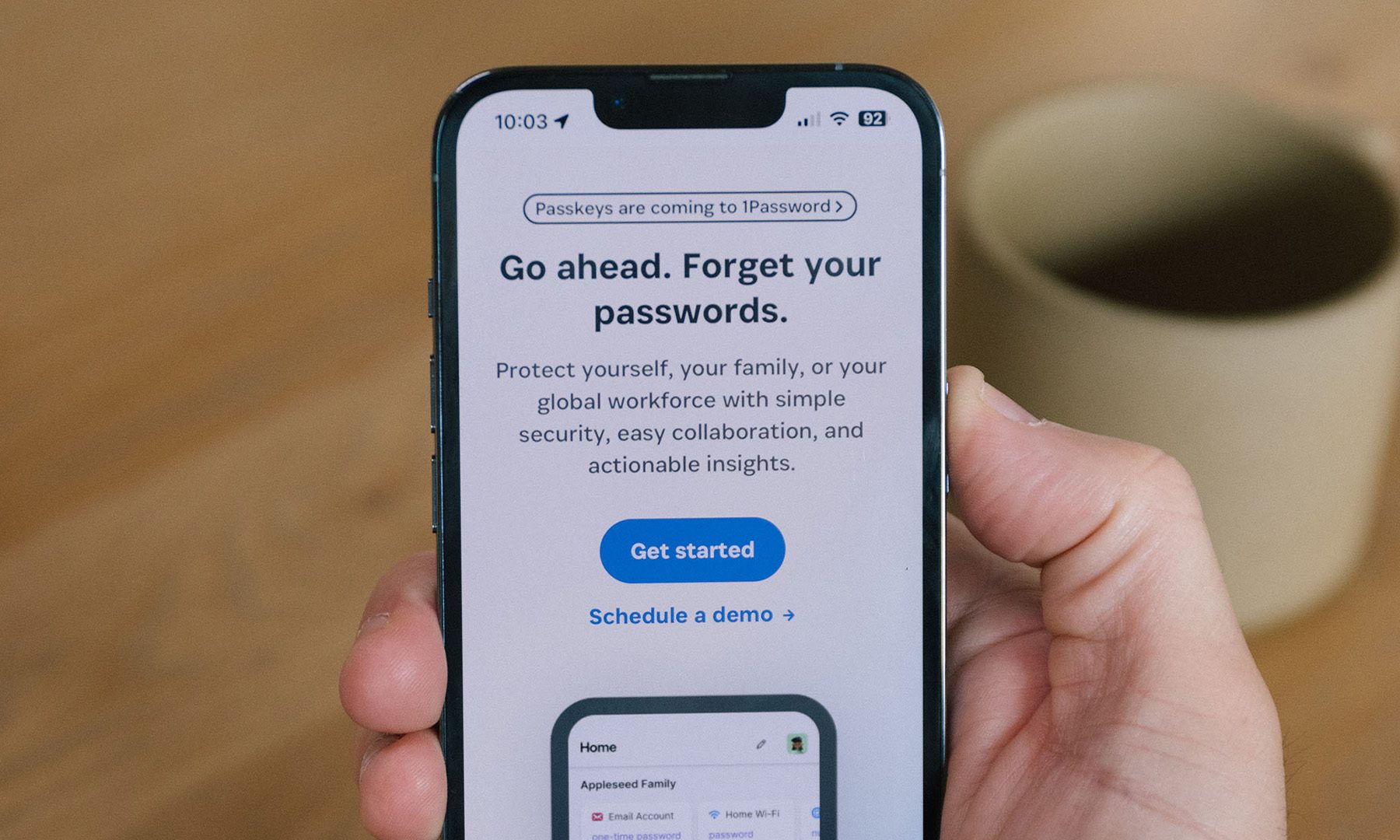
1Password is giving Claude a way into your online accounts without making your passwords part of the bargain. The new 1Password for Claude integration can fill login details while keeping the credentials hidden from Anthropic’s AI agent.

Available now on Mac, the feature kicks in when Claude reaches a sign-in page during a task. Claude requests a saved login, then you approve or deny it. If approved, 1Password submits the credentials through a separate encrypted channel. Passwords and one-time codes never enter Claude’s context or Anthropic’s systems.

Read more
New open-weight AI from China is toppling the best of OpenAI and Claude Fable
Moonshot’s 2.8-trillion-parameter Kimi K3 beats Fable 5 and GPT 5.6 Sol in select benchmarks
Art, Drawing, Plant

China's Moonshot AI has launched Kimi K3, a massive 2.8-trillion-parameter model built for coding, research, reasoning, and visual tasks. Moonshot admits K3 still trails Claude Fable 5 and GPT 5.6 Sol overall. Even so, its benchmark results put it surprisingly close to both, and it finishes ahead in several tests.

How close is Kimi K3 to the best closed models?

Read more
Gemini could finally let you choose how friendly it sounds
Finally, you can stop Gemini from sounding like your HR manager
Google Gemini

Google has spent the past few months making Gemini sound more natural, expressive, and conversational. Now, it appears the company is preparing to give users far more control over how the AI speaks.

Code spotted by Android Authority's APK Insights - the latest beta version of the Google app suggests Gemini may soon allow users to customise its voice across four separate parameters: Energy, Formality, Warmth, and Speed. Instead of choosing from a fixed list of personalities, users could tweak these characteristics to create a voice that better suits their preferences.

Read more