Opera Software has released its latest State of the Mobile Web report, and finds that just over half (51 percent) of Opera Mini users in the United States access the Web using a phone rather than a traditional desktop or notebook PC. The findings characterize the sense that “Generation Y” is more prone to using mobile devices and mobile Internet than generations before than, and that mobile technologies are part and parcel of their everyday lives. And here’s another interesting data point: young mobile users in the United States are behind the curve for eschewing PC-based Web browsing for mobile browsing. In many other countries—particularly developing economies—the percentages are much higher.
“We have often said that the next generation will grow up knowing the Web mostly through their mobile phones,” said Opera co-founder Jon von Tetzchner, in a statement. “We see this trend already emerging in different regions around the world. The mobile Web will bring a profound change in how we connect with one another.”
Opera found that countries with the highest rates of young Internet users surfing the Web mailing from PCs were also the nations were smartphones are among the top handsets browsing the Web: the United Sates, Germany, Poland, and Brazil, for instance. However, in countries like South Africa, Nigeria, and Indonesia, as many as 9 out of 10 young Internet users tap into the Web from phones rather than PCs, but those same markets show fewer smartphones in use. The findings seem to throw a wrench in the idea that smartphone adoption is a major driver of mobile Web access—and also highlights were companies like Nokia command major market share despite a notable lack of success to date in the smartphone market.
Other highlights of Opera’s latest update concerning U.S. mobile users from ages 18 to 27: about three quarters have browsed the Web while on public transit, 90 percent have shared photos using their phone, 70 percent have online friends they’ve never met in real live, some 44 percent have asked someone on a date via text messaging, but only about 30 percent have tried mobile blogging.
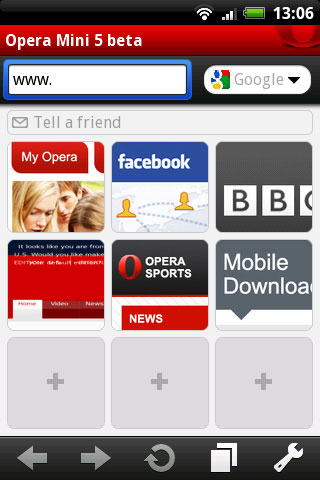
The information for Opera’s State of the Mobile Web survey is collected from Opera Mini servers, which act as proxies compressing and paring down information sent to Opera Mini mobile browsers. Demographic data was collected using voluntary user surveys sent to mobile user’s handsets.