1. Home
  2. Computing
  3. News

Oculus adds virtual reality trivia, Facebook integration to the Samsung Gear

Virtual reality is getting social, according to an Oculus announcement. While this new functionality is not Snow Crash‘s Metaverse, it does offer a way to find friends who also happen to own the Samsung Gear VR, and then play a few simple games with them.

“Starting tomorrow, people with a Samsung Gear VR, powered by Oculus, can create a profile and then easily search for others on the platform by real name or Oculus username,” says an Oculus blog post. Screenshots show a few games, as well as a glimpse of some virtual rooms users can hang out in together.

Recommended Videos

Samsung’s $100 VR collaboration with Oculus requires a compatible Samsung phone to work, but for anyone who already owns a Galaxy S6, S6 Edge, S6 Edge Plus, or Note 5 it’s an affordable entry point to VR. The device was well reviewed, but there aren’t many apps ready at launch.

Today’s announcement reveals two games with a social bent. There’s Social Trivia, where you sit around in a virtual room with your friends and answer trivia questions. Not exactly immersive stuff, but it could be an interesting proof of concept. And then there’s Herobound: Gladiators, which appears to be a strategy game where players can collaborate using real-time voice chat.

Fans of 360-degree videos will be interested in the new Facebook integration, which provides a variety of immersive videos streaming from Facebook. Sign into your account and you can see videos shared by friends, or you can just browse the overall connection. An upcoming update will allow you to Like videos from within the Gear headset.

Anyone worried that Facebook’s purchase of Oculus would result in product integration will no doubt see this as a sign of things to come, and the prominently placed Facebook reaction icons in one screenshot aren’t going to help with that. Still, an ever-growing collection of 360 videos can’t be all bad. Enjoy the new content, Gear VR owners, and let us know how you like it all in the comments below.

Justin Pot
Justin's always had a passion for trying out new software, asking questions, and explaining things – tech journalism is the…
Google Lens is becoming part of Chrome’s native AI interface
Google is testing a new AI-powered side panel experience in Chrome
Google Lens brings visual searches to the phone.

Google is trying out a major tweak to how AI works inside Chrome, specifically by mashing up Google Lens with the browser's native AI side panel. Right now, this is popping up in Chrome Canary - the experimental playground where Google tests new features before they go mainstream.

The big shift here is that Lens isn't just acting as a standalone tool for looking up images anymore. Instead, it now triggers Chrome's full AI interface right in the side panel, blending image search, page reading, and chat into one unified spot.

Read more
You can now ask Gemini questions about your NotebookLM notebooks
The NotebookLM integration is currently limited to Gemini on the web.
NotebookLM research results

We recently learned that Google was prepping a new feature that would allow users to ask Gemini questions about their NotebookLM notebooks. Although Google still hasn't made anything official, this feature now appears to be rolling out to users.

According to recent X posts from Sai Nemani and TestingCatalog, the attachment menu in Gemini on the web now includes a NotebookLM button. This option lets users attach a notebook and ask Gemini questions about the attached notebook to get more relevant responses.

Read more
Asus is now offering the Nvidia GeForce RTX 5060 in two new flavors
New RTX 5060 EVO cards introduce a slimmer 2.1-slot design
asus-nvidia-GeForce-RTX-5060-evo

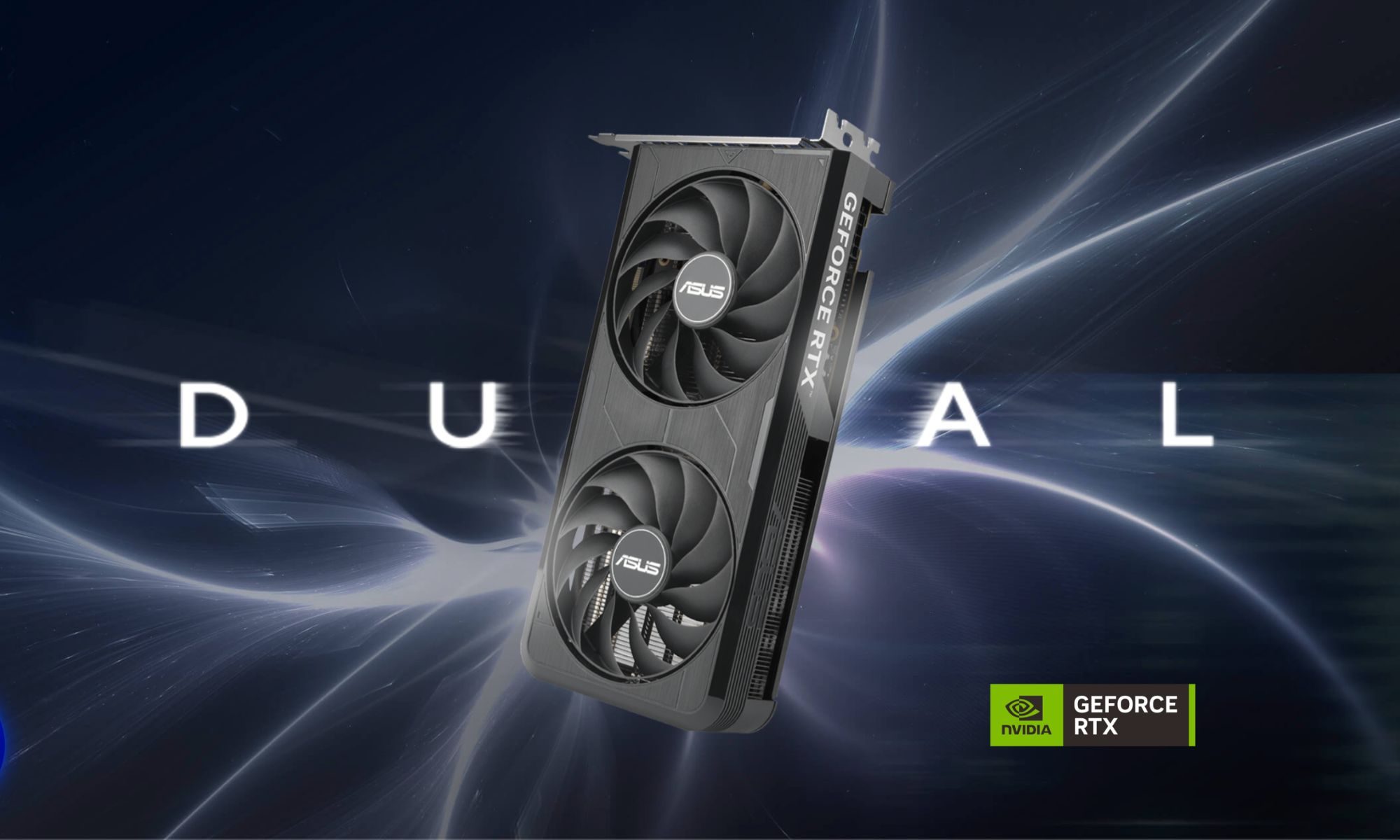
ASUS has quietly added two new models to its GeForce RTX 5060 lineup that look almost identical to existing cards at first glance but come with several hardware tweaks. Without any formal announcement, ASUS has listed the Dual GeForce RTX 5060 EVO and Dual GeForce RTX 5060 Ti EVO on its website. These cards sit alongside the standard RTX 5060 and 5060 Ti, offering the same core performance while reworking the physical design and internal layout.

The most noticeable change is size. Both EVO cards use a slimmer 2.1 slot design instead of the 2.5 slot layout used by earlier versions, making them more suitable for compact PC builds. ASUS also redesigned the PCB to use a shorter PCIe x8 edge connector rather than a full length x16 connector (via Vortez).

Read more