1. Home
  2. Computing
  3. News

First U.S. cryptocurrency ban outlaws Venezuela’s ‘Petro’ coin

Add as a preferred source on Google

The U.S. executive branch issued an executive order prohibiting the use or purchase of Venezuela’s Petro cryptocurrency, claiming the currency was issued unlawfully in an effort to circumvent U.S. sanctions against Venezuela, and in particular the President Nicolás Maduro’s regime.

“All transactions related to, provision of financing for, and other dealings in, by a United States person or within the United States, any digital currency, digital coin, or digital token, that was issued by, for, or on behalf of the Government of Venezuela on or after January 9, 2018, are prohibited as of the effective date of this order,” the executive order reads.

Recommended Videos

The ban comes after Maduro created the cryptocurrency in an effort to stem the tide of rapidly rising inflation. According to Bloomberg, the inflation rate will likely hit 13,000 percent by the end of 2018. The destabilized economy has created a humanitarian disaster and the oil-backed cryptocurrency reportedly hasn’t helped matters — despite Maduro’s claims to the contrary.

Venezuela's President Nicolas Maduro
Venezuela's President Nicolas Maduro (Photo: Getty Images/Fedrico Parra
Venezuela’s President Nicolas Maduro (Photo: Getty Images/Fedrico Parra)

“President Maduro decimated the Venezuelan economy and spurred a humanitarian crisis. Instead of correcting course to avoid further catastrophe, the Maduro regime is attempting to circumvent sanctions through the Petro digital currency — a ploy that Venezuela’s democratically elected National Assembly has denounced and Treasury has cautioned U.S. persons to avoid,” U.S. Treasury Secretary Steve Mnuchin said.

Whether or not this will actually have an effect on cryptocurrency markets remains to be seen. Maduro claimed to have sold around $5 billion in Petro cryptocurrency, but it’s unclear if that is actually true, or if it was a statement made to drive up interest.

“Since most cryptocurrencies are not actually backed by anything real, cryptocurrency speculation is based on the greater fool theory — I can buy this at $100 because there is someone who is a bigger idiot who is going to buy it at $200. When you take the U.S. out of that equation, you reduce the interest and potential for that speculation,” Russ Dallen of Caracas Capital told Bloomberg.

What does this all mean for you? Well, as long as you don’t have any of Venezuela’s Petro in your portfolio, you don’t have anything to worry about. If you do, you might be stuck with it, because this executive order makes it very clear that any transaction involving Petro — even selling it as a result of this ban — is currently prohibited for U.S. citizens.

Jaina Grey
Former Digital Trends Contributor
Jaina Grey is a Seattle-based journalist with over a decade of experience covering technology, coffee, gaming, and AI. Her…
The MacBook Air and iMac are next in line for Apple’s OLED push
OLED MacBook Air could arrive in 2028, while the iMac remains further out
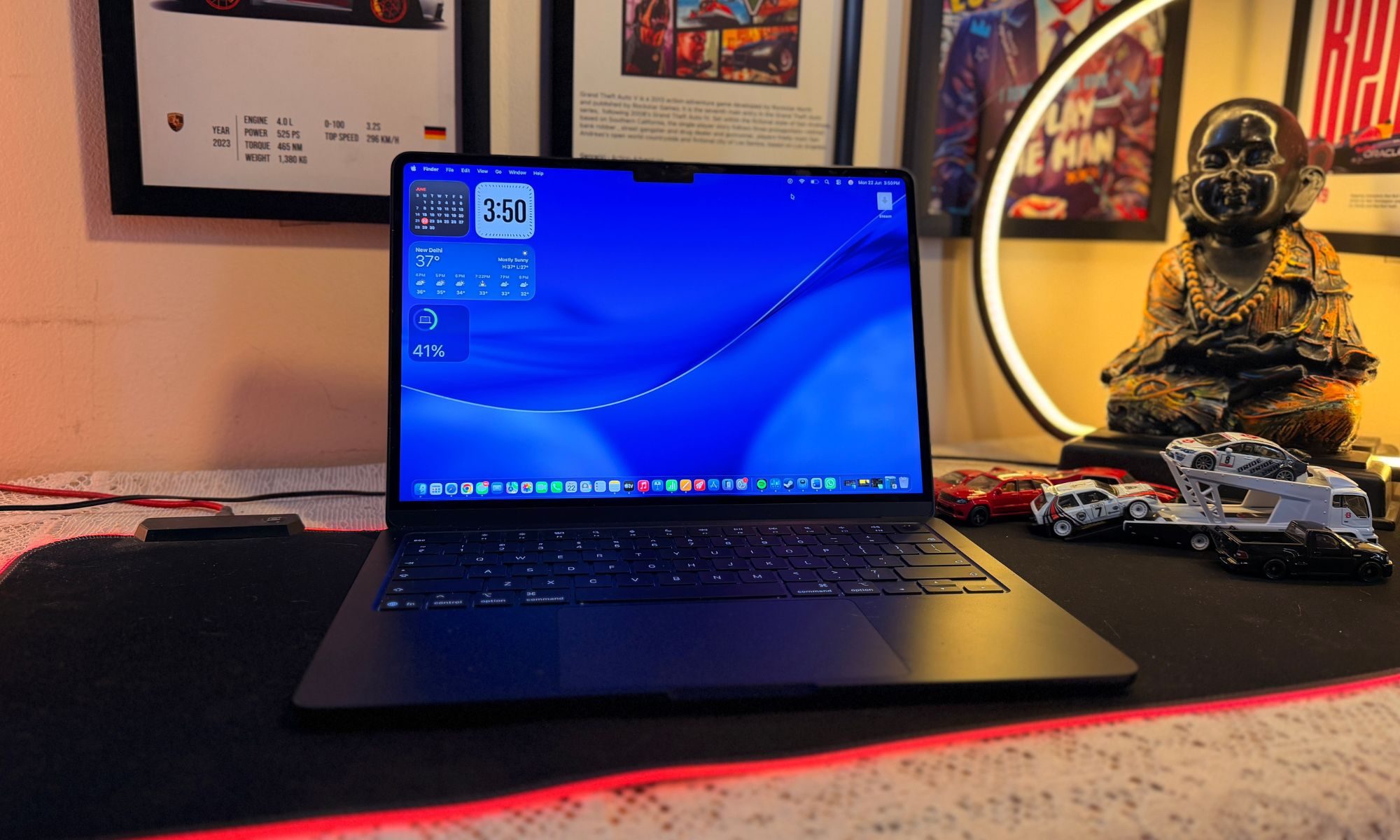
MacBook Air M5

Previous reports have indicated that Apple plans to launch redesigned MacBook Pros between the end of this year and early next year featuring touchscreen OLED displays, but the brand’s OLED ambitions for its Macs won’t end there.

Bloomberg’s Mark Gurman now reports that Apple is also working on OLED versions of the MacBook Air and iMac, corroborating earlier supply-chain reports about both devices. The information comes from people familiar with Apple’s plans, although neither product appears close to release.

Read more
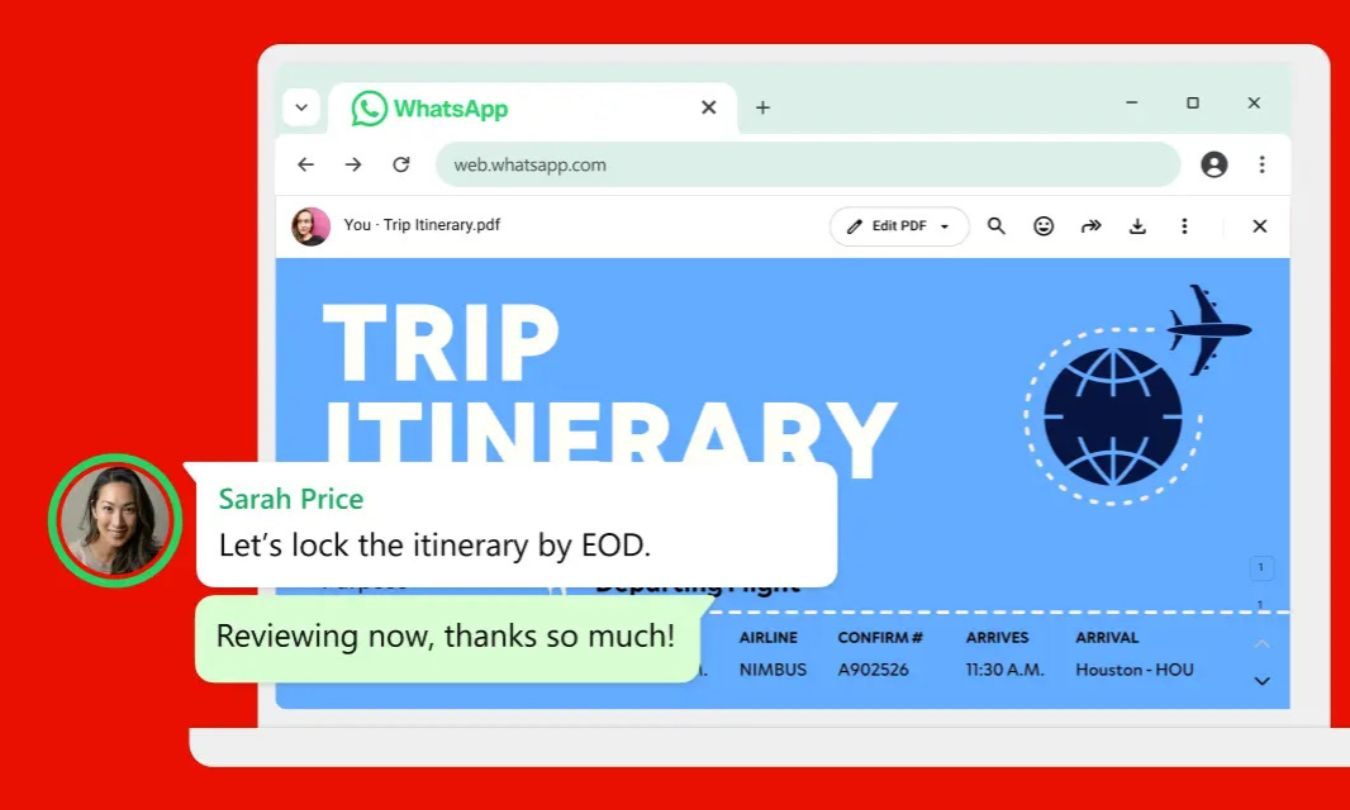
WhatsApp can now open and edit PDFs without making you download them first
Adobe Acrobat is adding built-in viewing and annotation tools for PDFs shared through WhatsApp on larger screens
Text, Person, Aircraft

Adobe is making PDF attachments much less annoying in WhatsApp. Its new Acrobat integration lets you open a PDF and mark it up without downloading the file or leaving the conversation.

The feature is available today through WhatsApp Web and the Windows app. The headline comes with an important caveat, though. This isn’t full PDF editing. You can review and annotate a document, but you can’t rewrite its original text or rearrange the layout.

Read more
Substack now lets you check if a post was written by AI
A new Pangram-powered scanner lets you check posts, notes, and replies for signs of AI writing.
Video playing on Substack.

Substack is giving readers a way to check whether the post they're reading was written by a human or by a chatbot. The company has partnered with AI-detection firm Pangram to introduce new tools that will let users scan posts, notes, and replies for AI-generated text. CEO Chris Best introduced the features in a post titled "Against Claudefishing," his term for content that leans on AI while presenting itself as human work.

How the scanning tool works

Read more