1. Home
  2. Computing
  3. Gaming
  4. News

With Steam becoming increasingly more popular, Valve adds 100Gbps bandwidth pipes

Add as a preferred source on Google

With Steam continuing to erupt as the go-to service for PC gaming, its proprietor, Valve, has decided to employ Level 3 Communications to add some much-needed extra bandwidth to the table — 100Gbps in fact! (That’s gigabits per second, not gigabytes.)

This news comes from a Level 3 press release, where the company further explained that Steam’s traffic is increasing by about 75 percent every year, or 450 to 500 petabytes of data each month, mainly due to the heavy 10 to 40GB file sizes of the games featured in its catalog. Moreover, the Steam platform as a whole sees “over 100 million users, averaging more than 10 million concurrent players and over two billion minutes played logged per day.”

Recommended Videos

In fact, earlier this month, Steam set a new record of over 12.3 million concurrent users on its servers, according to Gamasutra.

So why Level 3 of all the companies to procure data from? Well, as Valve executive Mike Dunkle explained in the release, Level 3 Communications is “one of the few providers that offers 100Gbps Internet ports, which are now a critical component of our network infrastructure.”

Because of the increased popularity of its servers, it’s only necessary that Valve increase the capacity of its Internet infrastructure by letting on some new pipes. While it’s not much in comparison to Steam’s peak bandwidth usage over the past couple of days (1.2Tbps, according to TechSpot), it should be enough of a boost for its user base to keep growing at a consistent rate.

These 100Gbps pipes will be accessible across 26 markets throughout North America and Europe. What remains uncertain, however, is just how many pipes Valve has decided to buy. Surely, with the sizable bandwidth figures we’re seeing from Steam, it would have to be a lot.

Just not nearly as much as Netflix, YouTube, or even BitTorrent.

Gabe Carey
A freelancer for Digital Trends, Gabe Carey has been covering the intersection of video games and technology since he was 16…
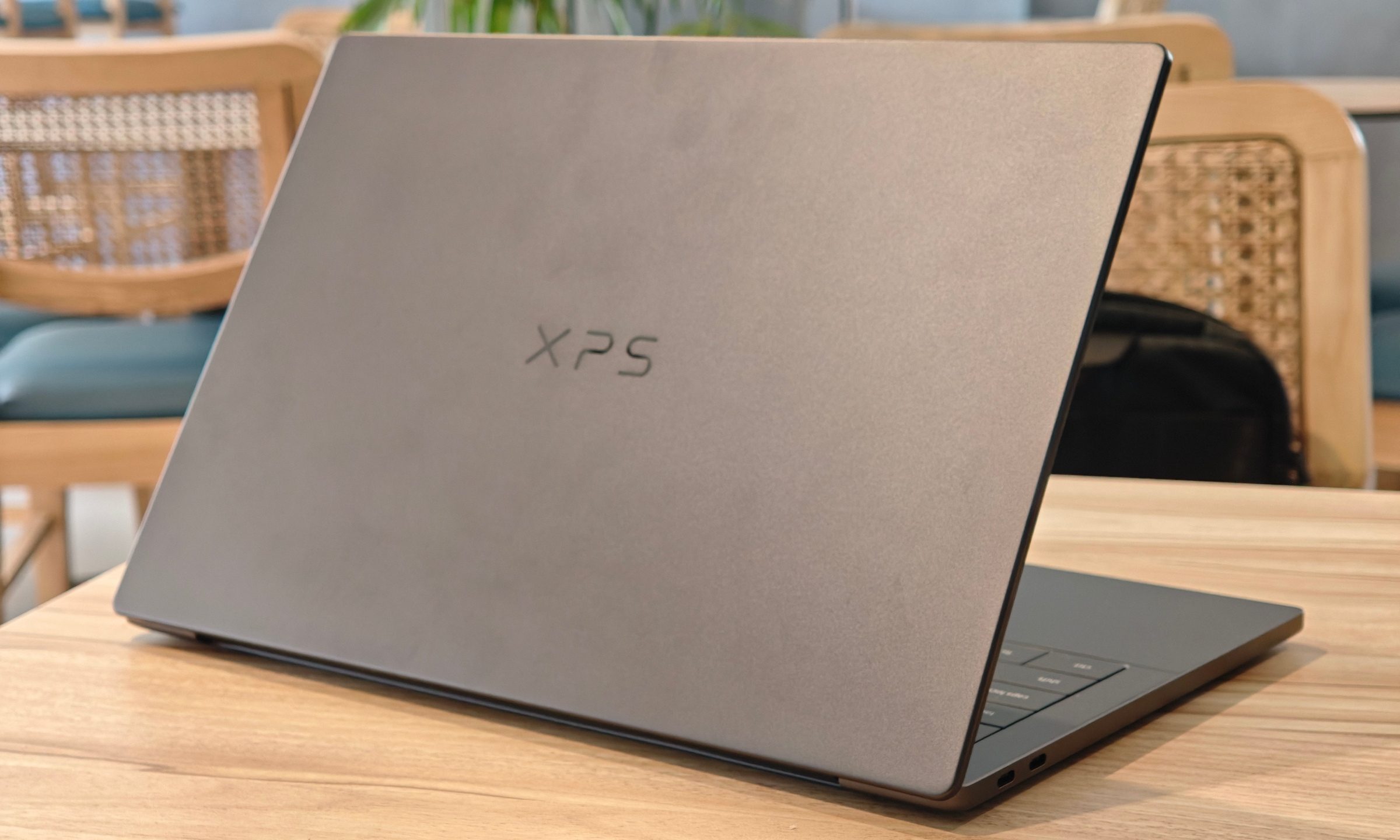
Dell XPS 14 (DA14260) Review: Dell’s classic Windows laptop returns, and it’s hard to put down
The icon returns, and shows why it's still relevant
Dell XPS 14 Review: Featured

Quick take

Dell’s XPS line has always carried a certain weight. It is one of those Windows laptop families that people recognize even if they don’t follow laptops too closely. Clean design built with premium materials, sharp displays, and high-end hardware. The Dell XPS 14 DA14260 continues that legacy. 

Read more
Samsung’s secret AI chip could finally cool down Exynos phones
Samsung's GAIA AI chip is landing in laptops first, but its shared DNA with Exynos hints at a real fix for phones down the line.
Samsung Exynos chip illustration.

If you've ever owned an Exynos-powered Galaxy phone, you already know the drill: heavy tasks like capturing back-to-back pictures or photos for a while, heavy gaming, or rendering videos turn your device into a hand warmer. 

In such a situation, the battery bar drops faster than usual as well. Turns out, Samsung might be working on the fix, and it's coming in a way nobody expected.

Read more
Buying a monitor? This Mac app can expose problems before the return window closes
Your new monitor may look perfect, but it doesn't hurt to double check.
Screen Test v1.1

Making a brand-new tech purchase doesn't always carry the guarantee of a perfectly functioning unit. But a tiny Mac app called Screen Test can help you find a defect before it gets too late. Screen Test (version 1.1) is a native macOS utility containing more than 25 patterns and diagnostic tools for evaluating built-in and external displays. It can help reveal dead or stuck pixels, backlight bleeding, and other issues. The app works completely offline, so you don't have to rely on browser tabs or an internet connection.

Every pixel gets scrutinized

Read more