  1. Home
  2. Emerging Tech
  3. Mobile
  4. Legacy Archives

Acer Prepping Full Line of Mobile Internet Devices

Add as a preferred source on Google
Image used with permission by copyright holder

Taiwanese computer maker Acer gathered together executives and analysts to discuss its financial results for the first quarter of 2010—which totaled up to about $5.2 billion in revenue with a 63 percent rise in profits. But company executives also delivered a surprise: the company plans to launch a full line of mobile Internet devices (MIDs) by the end of May 2010.

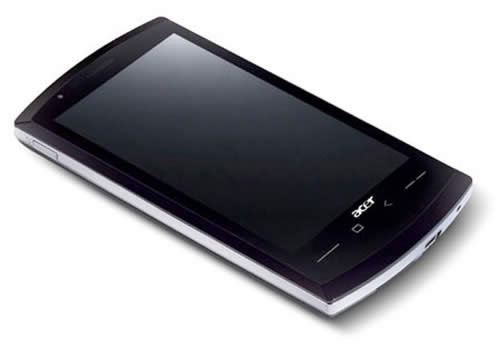
Acer’s chiefs didn’t offer up much in the way of details about what their devices would offer, save that they would all come with 3G connectivity and be able to interact with each other to share data. According to Acer CEO Gianfranco Lanci, the devices will also run version 4 of Acer’s Shell interface. Acer did not reveal which mobile operating system Shell 4 will be running on: leading guesses are Android and Windows Mobile 6.5.

Recommended Videos

Acer currently markets and Android-powered smartphone dubbed “Liquid” in Europe and Asia, but hasn’t made any carrier deals in North America. Lanci previously said the company wants to aggressively increase smartphone sales going into 2011.

Acer says some 69 percent of its revenue from the first quarter of 2010 came from the sale of netbook and notebook computers; Acer forecast that sales growth of netbooks will continue to outpace sales growth of notebook computers, and estimated netbook sales will grow by 50 percent during 2010. About half of Acer’s revenue comes from Europe, with a quarter coming from the United States (in part through its Gateway and E-Machines subsidiaries). The rest of Acer’s business is in the Asia-Pacific region, and the company says it is retooling its efforts in China, where Acer’s customers seem to tend towards larger displays and discrete graphics controllers.


Geoff Duncan
Former Contributor
Geoff Duncan writes, programs, edits, plays music, and delights in making software misbehave. He's probably the only member…
Google just canceled its AI Studio mobile app, and it’s not all bad news
Logo, Symbol, Disk

Google AI Studio was on track to make its way to Android and iPhone, giving developers and AI enthusiasts a dedicated place to build prompts and experiment with Google's latest models from their phones.

That's no longer happening. In a post shared by the official Google AI Studio account on X, Google confirmed that it's canceling the standalone AI Studio mobile app before launch. The announcement comes despite the company saying nearly 800,000 people had already pre-ordered the app across iOS and Android.

Read more
Google Earth’s AI misadventure lasted only a day. It was a tale of dangerous ignorance.
Nuclear reactors, tanks, and historical destruction on a life-like satellite map? Yeah, that's bad.
Nano Banana AI image generator representation.

Technology behemoths are clearly not reading the room, or they are just moving faster than they should when it comes to AI deployment. Google has already stuffed its Gemini AI in every corner of its software stack, from Android to daily productivity tools like Gmail that are used by hundreds of millions of users every day. AI is everywhere. Not all of it is bad, mind you. But in a few places, it just feels forced.

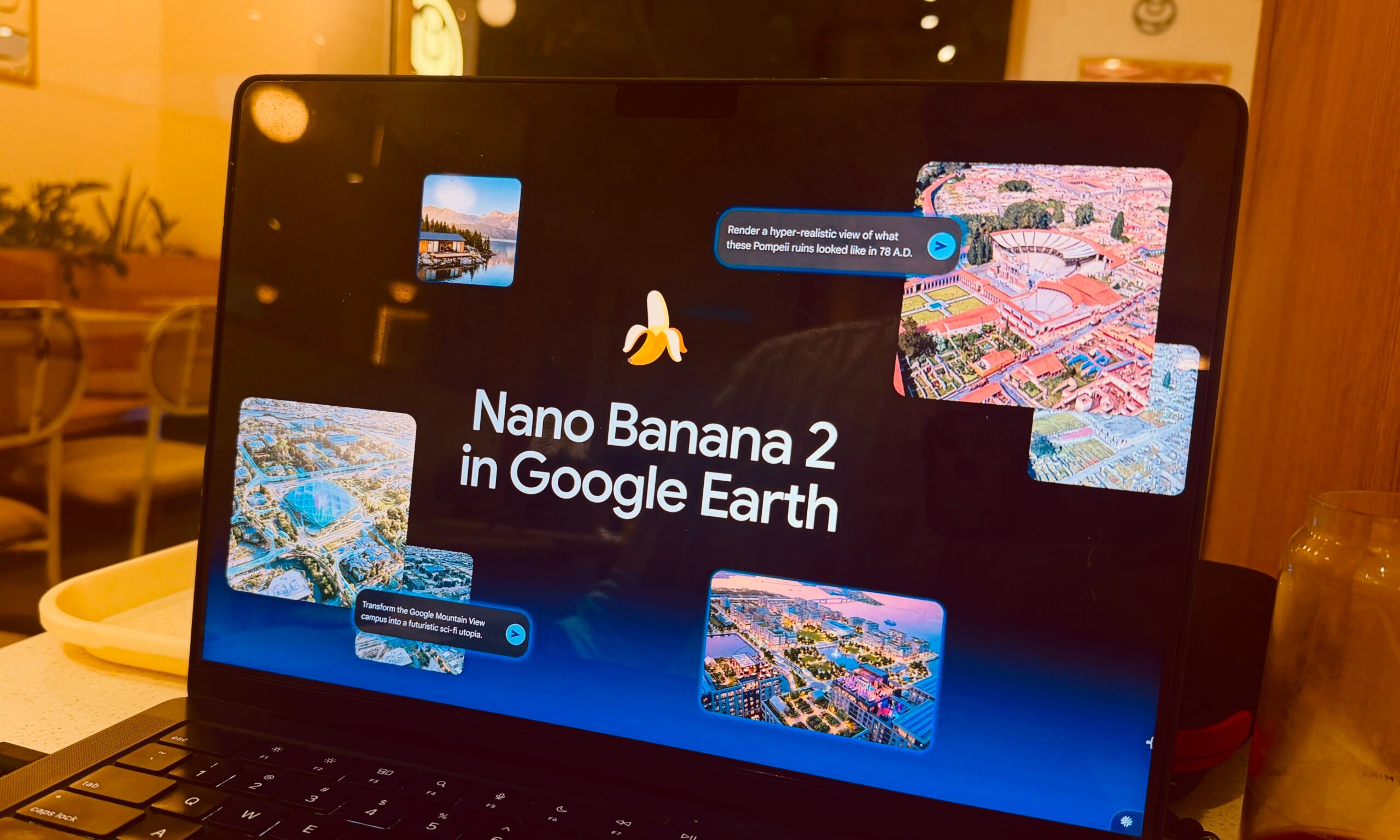
In its latest AI-fication experiment, the company targeted Google Earth. The idea was to let the audience use its Nano Banana 2 AI image generator and make images that can be placed on the map view. On paper, it's a cool idea. What would the Colosseum of Rome look like in your urban neighborhood? Yeah, fun stuff like that.

Read more
Google’s new AI gives robots better balance, smarter hands, and teamwork capabilities
Google just made robots a lot less clumsy and a lot more helpful.
Gemini robotics 2.0

Google DeepMind just brought sci-fi robots closer to reality, and it is very exciting. Building on its original Gemini Robotics model, the company has introduced Gemini Robotics 2, an AI system designed to help robots think, move, and even work together. Unlike most robots today, which rely on pre-programmed routines or someone controlling them remotely, this new system lets robots figure things out on their own when situations get unpredictable.

Can robots finally handle whole-body tasks?

Read more