1. Home
  2. Emerging Tech
  3. News

Eleven commercial flights near NY City were hit by lasers Wednesday night, FAA reveals

Add as a preferred source on Google

As aviation authorities around the world try to work out how best to deal with nitwits flying quadcopters close to airports, another piece of kit continues to cause serious concern when it comes to airline safety – the laser pointer.

Although it’s hard to comprehend, a few people out there seem to think it’s a good idea to shine lasers into the cockpits of planes coming in to land. Apparently they don’t seem to realize that their actions could, in a worst case scenario, cause a pilot to lose control of the aircraft.

Recommended Videos

The issue is back in the headlines this week after the Federal Aviation Administration (FAA) revealed that on Wednesday night alone, in the space of just a few hours, 11 commercial flights were targeted by lasers as they flew at low altitude into either Newark airport in New Jersey or LaGuardia in nearby New York City. Affected carriers included American Airlines, JetBlue, Delta, United, and Republic, CNN confirmed Thursday.

There are no reports of any injuries among those piloting the targeted aircraft, and no arrests have yet been made. A possible five-year jail term awaits the offender or offenders. FAA data shows the problem of handheld lasers being pointed at planes is a growing one – 3,894 incidents were reported in the U.S. last year, a huge leap from the 283 recorded strikes in 2005.

On its website, the Transportation Security Administration says a beam from a laser pointer, even from a mile away, has the power to light up a cockpit “like a camera flash going off in a pitch black car at night.”

If that isn’t enough to momentarily distract and disorient a pilot who’s focusing on the not insignificant task of landing a plane, a direct hit on their eyes at a crucial moment could certainly cause real problems.

Last year the FAA said it’d documented 35 cases where pilots needed medical treatment after being targeted by a laser strike, though up to now there have been no reports of aircraft losses due to laser pointers.

Trevor Mogg
Contributing Editor
Not so many moons ago, Trevor moved from one tea-loving island nation that drives on the left (Britain) to another (Japan)…
Yet another study says AI is bad for elections, and the rabbit hole gets worse
AI may be an election bomb waiting for someone to light the fuse
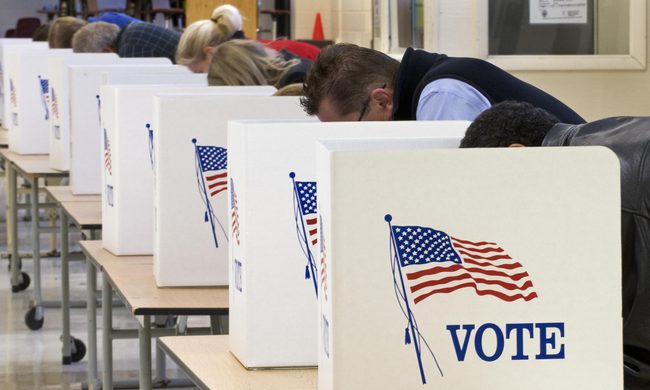
Voters cast their ballots on Election Day

Another election, another study has concluded that asking an AI chatbot for political guidance is a spectacularly bad idea. Research conducted during Hungary’s 2026 parliamentary election found that ChatGPT and Google Gemini offered not just inaccurate but also inconsistent and unreliable voting advice. The chatbots misclassified voter profiles, overlooked relevant parties, recommended parties absent from the ballot, and sometimes produced materially different answers when given the same information repeatedly.

AI keeps failing the voter test

Read more
Samsung’s humanoid robot ambitions are real, but factories come first
Samsung’s new robotics division has humanoids in its sights, although its immediate business is far more practical factory automation
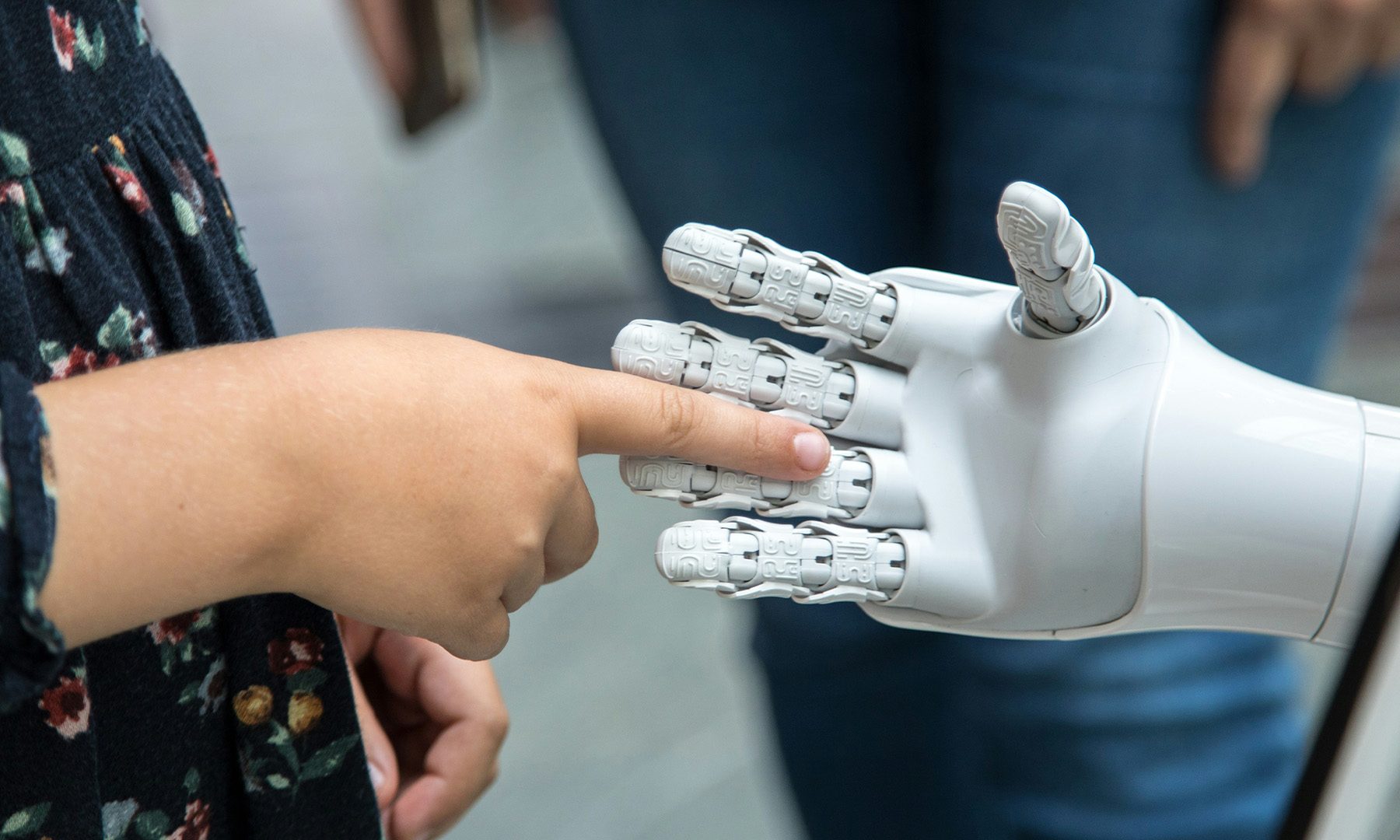
Robot Touch Human Finger

Samsung wants a place in the humanoid race, but its new robotics push begins with machines built for factories rather than homes.

The CEO-led RX robotics division will initially focus on manufacturing robots. Samsung has separately identified humanoids as a priority, although it hasn’t announced a commercial model or explained where one fits into the division’s immediate plans.

Read more
The future of AI may depend on this one behind-the-scenes change
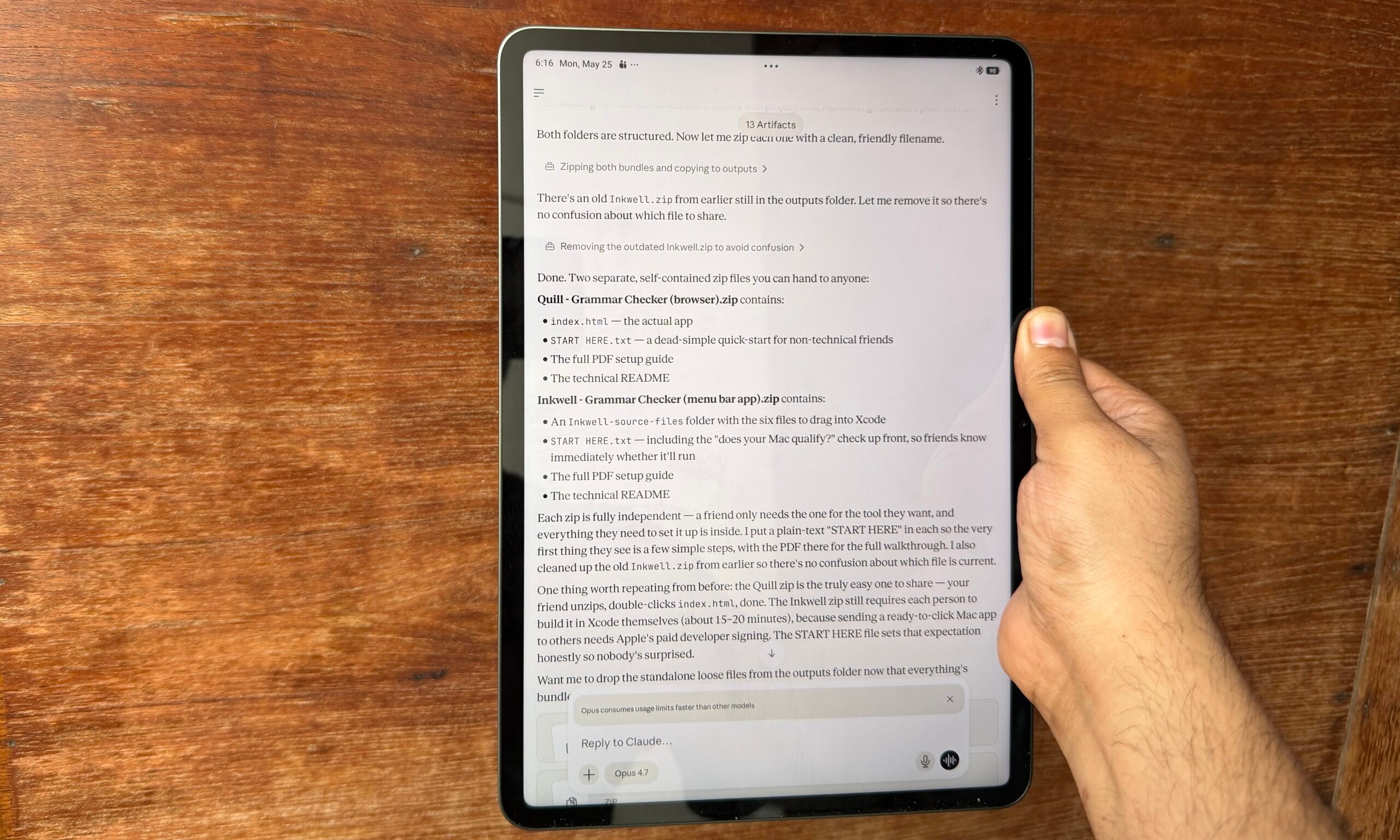
Running Claude on Android.

Whenever a new AI model arrives, it's easy to get caught up in the bells and whistles. We talk about how much smarter it is, how quickly it answers questions, or how realistic its images have become. But here's the thing: none of that matters much if the AI can't reliably work with the apps and services people use every day.

That's why an upcoming update to the Model Context Protocol (MCP) caught my attention. It isn't a new chatbot or a fancy AI model. In fact, most people will never even know it's happening. But it could quietly make the AI ecosystem a lot healthier. If you've never heard of MCP before, don't worry. Think of it as a shared language that lets AI assistants safely talk to apps like Gmail, Slack, calendars, databases, and countless other services. Instead of every company inventing its own way to make those connections, MCP gives everyone a common rulebook.

Read more