1. Home
  2. Emerging Tech
  3. News

Giant Rubik’s Cube needs brawn as well as brains to solve

Add as a preferred source on Google

Here’s a Rubik’s Cube that’s as testing for the body as it is for the mind.

Its creator, puzzle enthusiast Tony Fisher, built the beast in a bid to claim a Guinness World Record for the largest fully functional Rubik’s Cube, and the Brit is hoping it’ll gain official recognition soon.

Recommended Videos

The giant cube, which took about two weeks to make, has an edge of 1.56 meters and weighs around 220 pounds (100 kg) – the stickers alone weigh a total of 29 pounds (13 kg).

“It’s fully functional but not quite as easy to use as a regular Rubik’s Cube,” Fisher quips in a video showing off his creation.

Regarding the world record – Fisher lists other giant Rubik’s Cubes around the world that he knows of, but discounts them as record breakers for various reasons.

For example, the Liberty Science Center in New Jersey has a cube that “may be a bit bigger” than Fisher’s, but he says it requires a remote controller to move its faces, and hasn’t been finished in the standard way with stickers.

“The Guinness World Records is the only book I’ve ever enjoyed reading,” Fisher says in his video, adding, “Having an interest in the Rubik’s Cube since 1980, it seemed very natural that I should attempt to make the world’s largest.”

The famous toy was invented in 1974 by Hungarian architect Erno Rubik, though it wasn’t until 1980, when Ideal Toy Company licensed the puzzle, that it really took off. It’s thought to have sold more than 350 million units globally, making it the most successful toy ever.

As for Fisher’s oversized effort, the fact that it actually works like the real thing is quite an achievement, though now we’d like to see an equally massive robot solve it in under a second.


Trevor Mogg
Contributing Editor
Not so many moons ago, Trevor moved from one tea-loving island nation that drives on the left (Britain) to another (Japan)…
Yet another study says AI is bad for elections, and the rabbit hole gets worse
AI may be an election bomb waiting for someone to light the fuse
Voters cast their ballots on Election Day

Another election, another study has concluded that asking an AI chatbot for political guidance is a spectacularly bad idea. Research conducted during Hungary’s 2026 parliamentary election found that ChatGPT and Google Gemini offered not just inaccurate but also inconsistent and unreliable voting advice. The chatbots misclassified voter profiles, overlooked relevant parties, recommended parties absent from the ballot, and sometimes produced materially different answers when given the same information repeatedly.

AI keeps failing the voter test

Read more
Samsung’s humanoid robot ambitions are real, but factories come first
Samsung’s new robotics division has humanoids in its sights, although its immediate business is far more practical factory automation
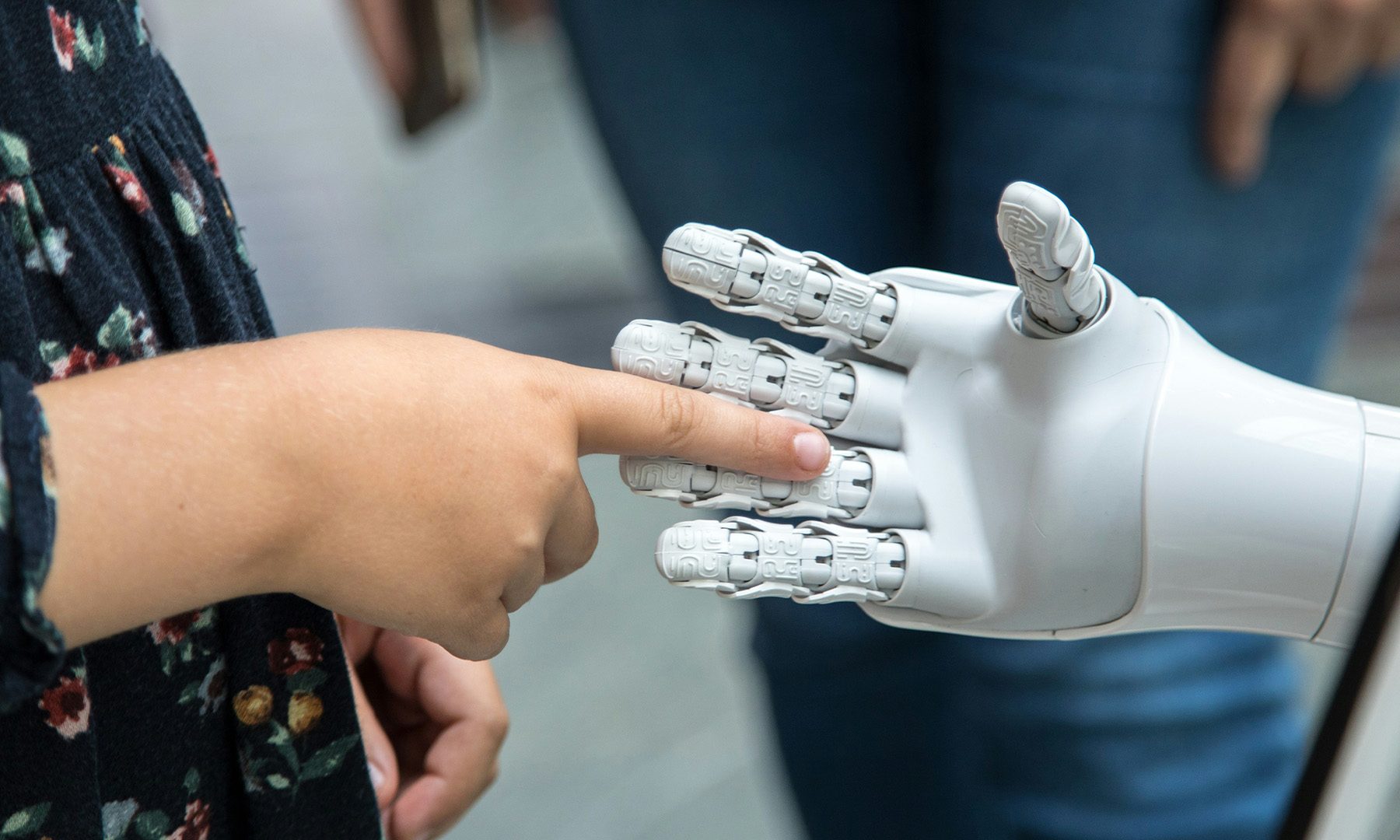
Robot Touch Human Finger

Samsung wants a place in the humanoid race, but its new robotics push begins with machines built for factories rather than homes.

The CEO-led RX robotics division will initially focus on manufacturing robots. Samsung has separately identified humanoids as a priority, although it hasn’t announced a commercial model or explained where one fits into the division’s immediate plans.

Read more
The future of AI may depend on this one behind-the-scenes change
Running Claude on Android.

Whenever a new AI model arrives, it's easy to get caught up in the bells and whistles. We talk about how much smarter it is, how quickly it answers questions, or how realistic its images have become. But here's the thing: none of that matters much if the AI can't reliably work with the apps and services people use every day.

That's why an upcoming update to the Model Context Protocol (MCP) caught my attention. It isn't a new chatbot or a fancy AI model. In fact, most people will never even know it's happening. But it could quietly make the AI ecosystem a lot healthier. If you've never heard of MCP before, don't worry. Think of it as a shared language that lets AI assistants safely talk to apps like Gmail, Slack, calendars, databases, and countless other services. Instead of every company inventing its own way to make those connections, MCP gives everyone a common rulebook.

Read more