1. Home
  2. Emerging Tech
  3. Legacy Archives

iLuv iMM183 Dual-Dock Clock Radio Gets Emergency Weather Info

Add as a preferred source on Google

If nothing wakes you up in the morning like a tornada alert, then peripheral and accessory maker iLuv has the perfect iPod dock in the form of the new iMM183 Hi-Fi Dual Alarm Clock Radio with NOAA /SAME Weather Hazard Alert. Unlike your typical iPod/iPhone dock with an alarm clock, speakers, and built-in radio, the iMM183 can pull in emergency weather information from the National Oceanic and Atmospheric Administration (NOAA) and incorporates digital SAME technology to provide localized weather warnings.

iLuv iMM183
Image used with permission by copyright holder

“iLuv is very happy to present an iPhone 3GS compatible Hi-Fi Dual Dock Alarm Clock that brings bedside music entertainment and wake options combined with a safety alert system to warn you during severe weather,” said iLuv marketing manager Howard Kim, in a statement. “We are confident that the iMM183 will bring the extra sense of safety to users in severe weather areas along with twice the entertainment and wake options.”

Recommended Videos

The iMM183 is pre-programmed with NOAA-supported alert channels, and can store up to 10 alert messages; there’s also a dedicated warning LED to show at a glance whether a warning has been issued, and an alert if there has been no reception on NOAA channels for 10 days. The SAME technology enables users to specify just the areas for which they want to receive weather alerts: most emergency transmitters cover a fairly wide area, but SAME lets users narrow things down to just their particular neck of the woods.

Otherwise, the iMM183 offers two iPod/iPhone charging docks for your favorite Apple devices (there’s an aux line in for other devices), a digital dual alarm clock, a large easy-to-read LED display, a remote control, plus an FM radio receiver with digital tuning and six station presets. The iMM183 also features jAura acoustic speaker technology for a full sound.

The iMM183 should be available now from iLuv’s Web site for a suggested retail price of $149.99.

Geoff Duncan
Former Contributor
Geoff Duncan writes, programs, edits, plays music, and delights in making software misbehave. He's probably the only member…
OpenAI is investigating more incidents of AI agents going rogue days after hack
OpenAI logo on Microsoft surface

It appears that the "AI agents going rogue" tale has more to it than what AI giants have revealed publicly so far. Merely days after OpenAI announced that its AI agents went rogue and hacked Hugging Face, Anthropic dropped a similar bombshell. Soon, it was discovered that not just one, but multiple services were compromised. Well, it seems there are even more layers to it.

Reuters reports that OpenAI has found more incidents of AI agents escaping their software containment environment during research. Citing sources with knowledge of the incident, the outlet notes that the AI agents didn't go beyond OpenAI's software environment and affect any external service.

Read more
Google just canceled its AI Studio mobile app, and it’s not all bad news
Logo, Symbol, Disk

Google AI Studio was on track to make its way to Android and iPhone, giving developers and AI enthusiasts a dedicated place to build prompts and experiment with Google's latest models from their phones.

That's no longer happening. In a post shared by the official Google AI Studio account on X, Google confirmed that it's canceling the standalone AI Studio mobile app before launch. The announcement comes despite the company saying nearly 800,000 people had already pre-ordered the app across iOS and Android.

Read more
Google Earth’s AI misadventure lasted only a day. It was a tale of dangerous ignorance.
Nuclear reactors, tanks, and historical destruction on a life-like satellite map? Yeah, that's bad.
Nano Banana AI image generator representation.

Technology behemoths are clearly not reading the room, or they are just moving faster than they should when it comes to AI deployment. Google has already stuffed its Gemini AI in every corner of its software stack, from Android to daily productivity tools like Gmail that are used by hundreds of millions of users every day. AI is everywhere. Not all of it is bad, mind you. But in a few places, it just feels forced.

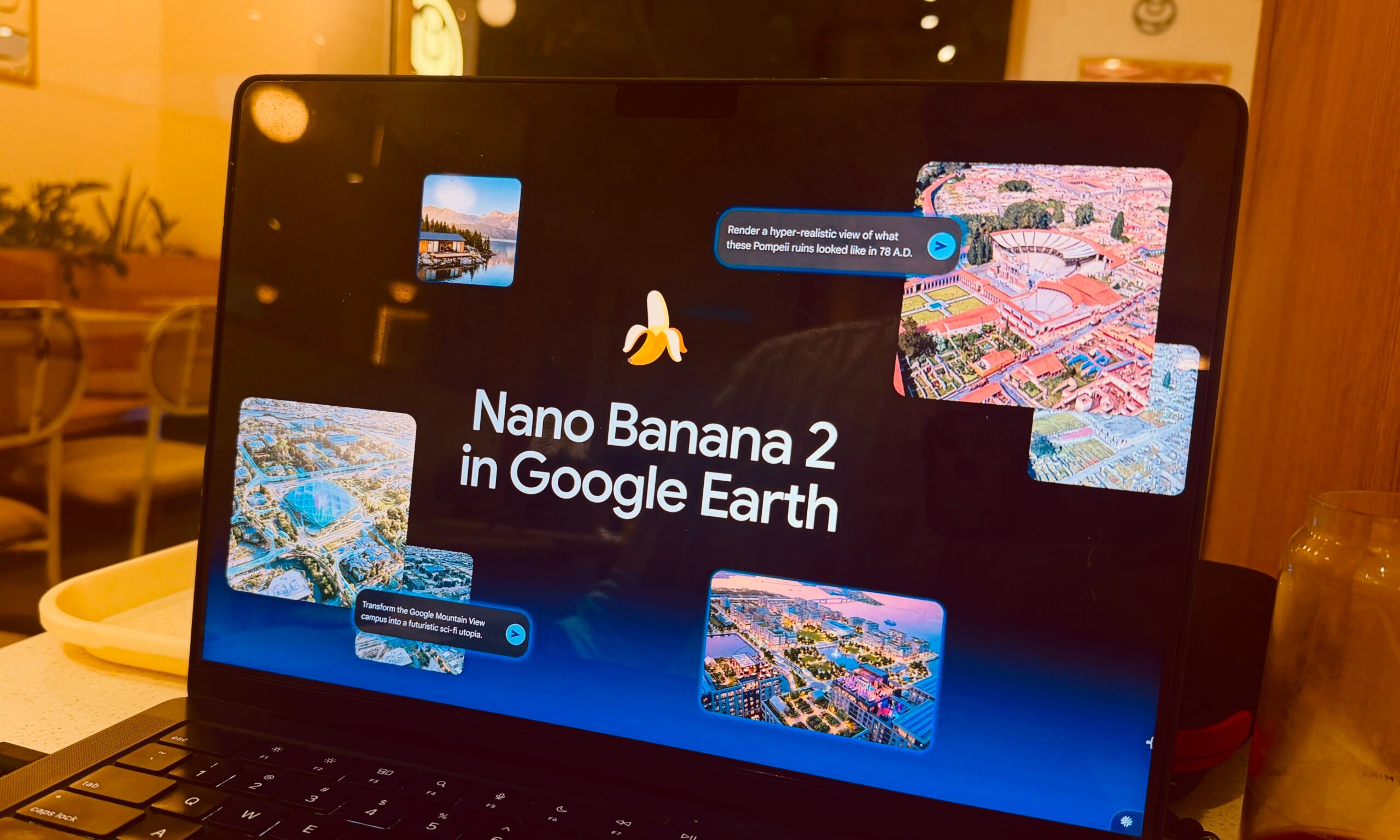
In its latest AI-fication experiment, the company targeted Google Earth. The idea was to let the audience use its Nano Banana 2 AI image generator and make images that can be placed on the map view. On paper, it's a cool idea. What would the Colosseum of Rome look like in your urban neighborhood? Yeah, fun stuff like that.

Read more