1. Home
  2. Emerging Tech
  3. News

NASA made this amazing ‘gravity map’ of Mars by measuring the planet’s pull on satellites

Add as a preferred source on Google

NASA this month released a stunning gravity map of Mars that details the external gravitational forces surrounding the red planet and also provides insight into its interior physical properties. The map is the result of Doppler and range tracking data collected by NASA’s Deep Space Network. Three NASA spacecraft in orbit around Mars participated in the data collection, including the Mars Global Surveyor (MGS), Mars Odyssey (ODY), and the Mars Reconnaissance Orbiter (MRO). More than a decade of data went into generating this high-resolution map.

NASA created this gravity map by plotting the orbital fluctuations of the spacecraft as they circled Mars. Like most planets, Mars has a bumpy surface that affects the gravitational pull experienced by objects in orbit around it. For example, a spacecraft will feel a stronger pull over a mountain and a weaker pull over a canyon. These variations in gravity cause the orbit of the spacecraft to fluctuate. These fluctuations were then monitored by NASA for more than a decade, and the recorded values were used to generate the gravity map. The map required two years of analysis and modeling to confirm which fluctuations were due to gravity and not some other external force or forces.

Recommended Videos

The map identifies both the high and low points in the gravitational field around the planet. These qualities make it useful to scientists who are sending spacecraft into orbit, allowing them to precisely position the craft so they can collect as much data as possible. It also can be used to explore physical features of the planet, such as the crustal thickness, deep interior, and seasonal variations of dry ice at the poles.

“With this new map, we’ve been able to see gravity anomalies as small as about 100 kilometers (about 62 miles) across, and we’ve determined the crustal thickness of Mars with a resolution of around 120 kilometers (almost 75 miles),” said MIT’s Antonio Genova, who works at NASA’s Goddard Space Flight Center in Greenbelt, Maryland. “The better resolution of the new map helps [us] interpret how the crust of the planet changed over Mars’ history in many regions.” The research team was able to estimate the amount of carbon dioxide that freezes out of the atmosphere during a Martian winter. They also were able to observe the changes in the north and south poles that occurred with the changing of the Martian seasons.

Genova, along with his colleagues, published the results of their Mars gravitational study on March 5 in an online version of the journal Icarus. Grants to fund the research was provided by NASA’s Mars Reconnaissance Orbiter mission and NASA’s Mars Data Analysis Program.

Kelly Hodgkins
Kelly's been writing online for ten years, working at Gizmodo, TUAW, and BGR among others. Living near the White Mountains of…
Yet another study says AI is bad for elections, and the rabbit hole gets worse
AI may be an election bomb waiting for someone to light the fuse
Voters cast their ballots on Election Day

Another election, another study has concluded that asking an AI chatbot for political guidance is a spectacularly bad idea. Research conducted during Hungary’s 2026 parliamentary election found that ChatGPT and Google Gemini offered not just inaccurate but also inconsistent and unreliable voting advice. The chatbots misclassified voter profiles, overlooked relevant parties, recommended parties absent from the ballot, and sometimes produced materially different answers when given the same information repeatedly.

AI keeps failing the voter test

Read more
Samsung’s humanoid robot ambitions are real, but factories come first
Samsung’s new robotics division has humanoids in its sights, although its immediate business is far more practical factory automation
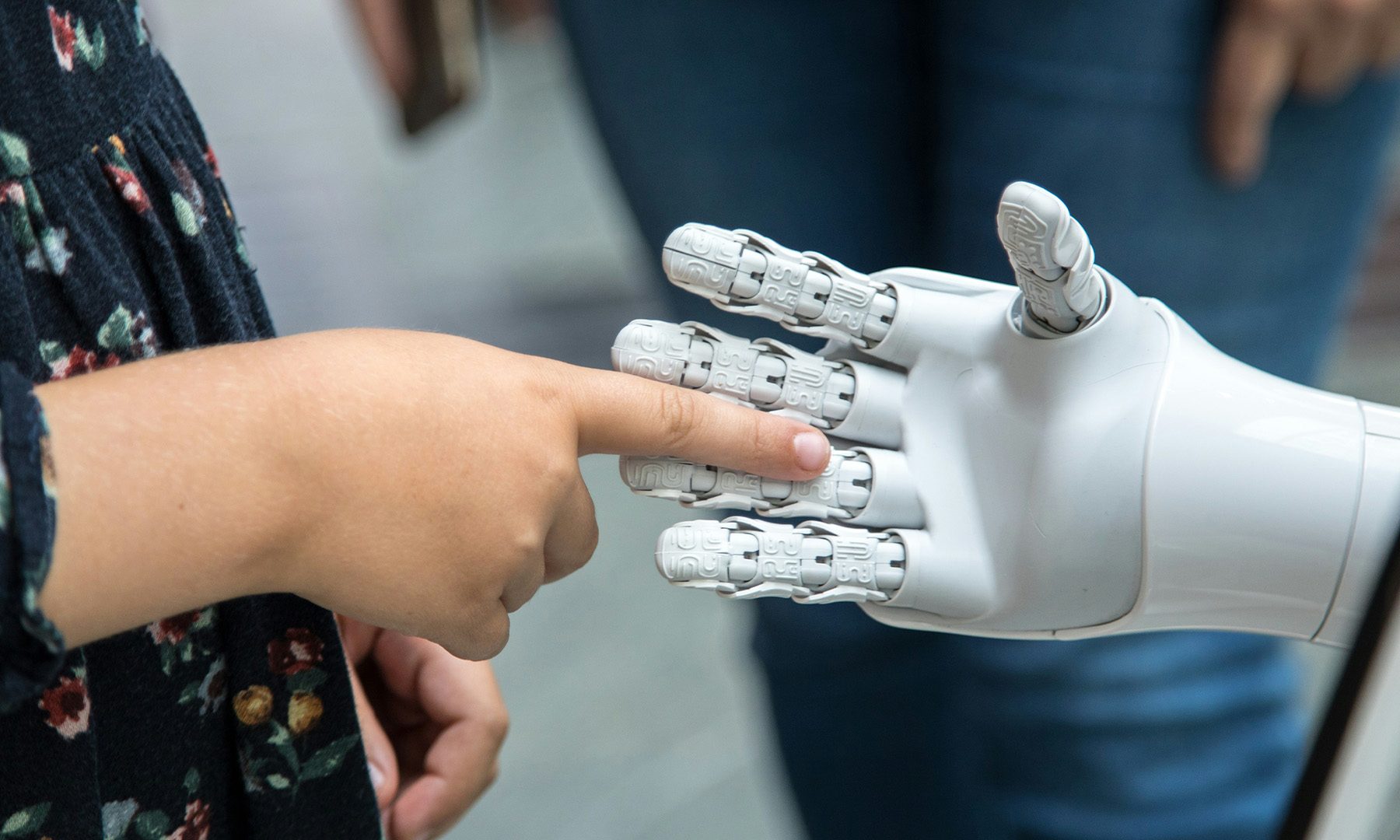
Robot Touch Human Finger

Samsung wants a place in the humanoid race, but its new robotics push begins with machines built for factories rather than homes.

The CEO-led RX robotics division will initially focus on manufacturing robots. Samsung has separately identified humanoids as a priority, although it hasn’t announced a commercial model or explained where one fits into the division’s immediate plans.

Read more
The future of AI may depend on this one behind-the-scenes change
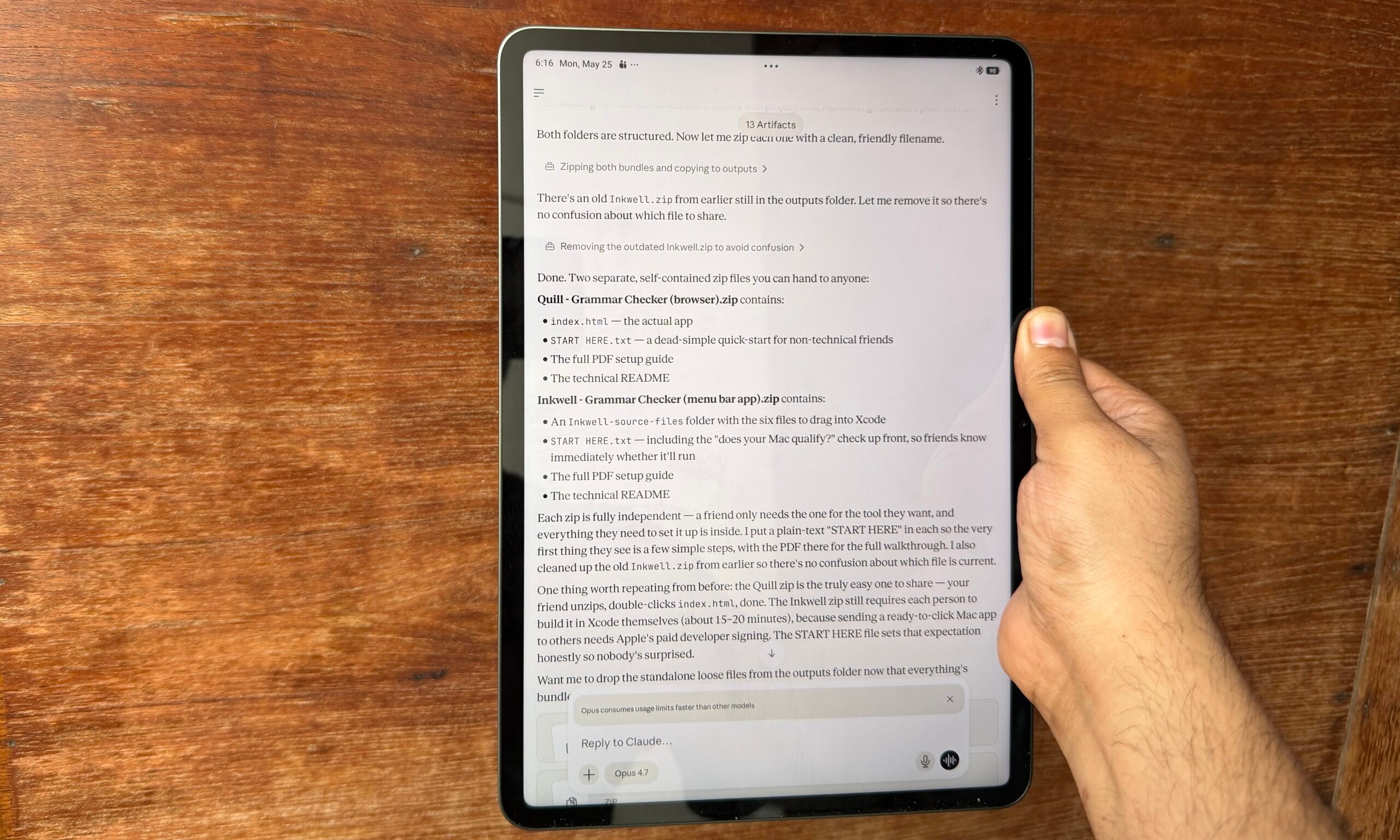
Running Claude on Android.

Whenever a new AI model arrives, it's easy to get caught up in the bells and whistles. We talk about how much smarter it is, how quickly it answers questions, or how realistic its images have become. But here's the thing: none of that matters much if the AI can't reliably work with the apps and services people use every day.

That's why an upcoming update to the Model Context Protocol (MCP) caught my attention. It isn't a new chatbot or a fancy AI model. In fact, most people will never even know it's happening. But it could quietly make the AI ecosystem a lot healthier. If you've never heard of MCP before, don't worry. Think of it as a shared language that lets AI assistants safely talk to apps like Gmail, Slack, calendars, databases, and countless other services. Instead of every company inventing its own way to make those connections, MCP gives everyone a common rulebook.

Read more