With so many tech firms operating in and around San Francisco these days, it’s no wonder the city’s streets and other spaces are often used as test beds for new products and services.
But officials there fear the situation is getting out of control, and as a result, the Board of Supervisors this week took a major step toward the creation of a new body that will force companies to apply for permits before putting new tech on the street, the Associated Press (AP) reported.
As well as regulating tests of new technology in public spaces, the new Office of Emerging Technology should also help to prevent a repeat of the chaos in 2018 when hundreds of dockless electric scooters suddenly appeared on the streets, with a slew of companies competing to put their app-based scootersharing service front and center. San Francisco officials were caught by surprise, and with residents complaining of reckless riders and blocked sidewalks, it slapped a temporary ban on the scooters while it worked out a permit scheme to limit the number of providers operating in the city.
With the first vote having passed, a second vote on the proposal is scheduled for next week, with an expected signature from Mayor London Breed a few days later giving it the green light.
Once the Office of Emerging Technology is up and running, startups that want to test new tech in San Francisco’s public spaces will have to convince officials that their offering is for the “net public good” in order to receive permission to take it onto the streets.
‘Our residents are not guinea pigs’
“I support innovation and technology, but our residents are not guinea pigs, and our public infrastructure is not a free-for-all,” Norman Yee, president of the Board of Supervisors and the person who introduced the legislation, told the AP.
Yee has been on the case for several years. In 2017, for example, he criticized wheel-based delivery robots for being a safety hazard, claiming senior citizens, those with disabilities, and children were all at risk of colliding with the machines as they trundled along the sidewalk.
Pogo sticks
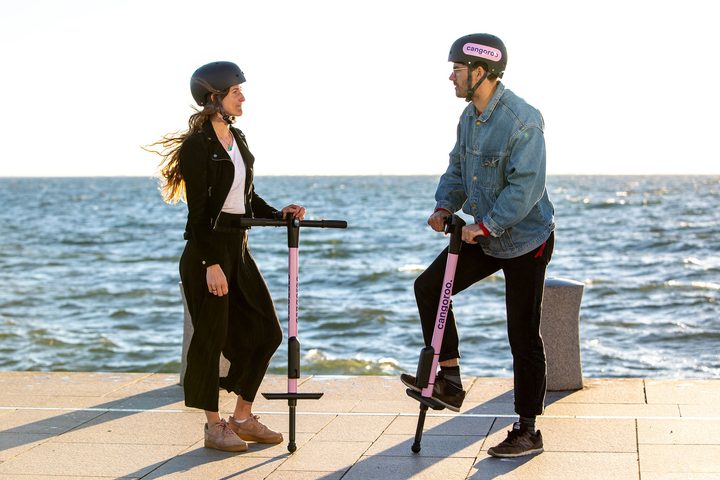
Yee told the AP he recently learned of a Swedish startup that wants to launch “low-tech pogo sticks” as a transportation option (yes, really) to compete with app-based scooter and bike services. The supervisor seemed none too impressed by the image of hordes of people hopping along the road on the spring-loaded poles. “Let’s put a stop to that before they drop 10,000 pogo sticks into the city,” he said.
With some fearing that the new setup could hamper innovation and competition in the city, the Office of Emerging Technology will need to build confidence among players in the local tech community through balanced and fair judgments, while at the same time ensuring safety and comfort in public spaces for San Francisco’s citizens and visitors.